Attack on Altman’s Home Sparks Broader Reckoning
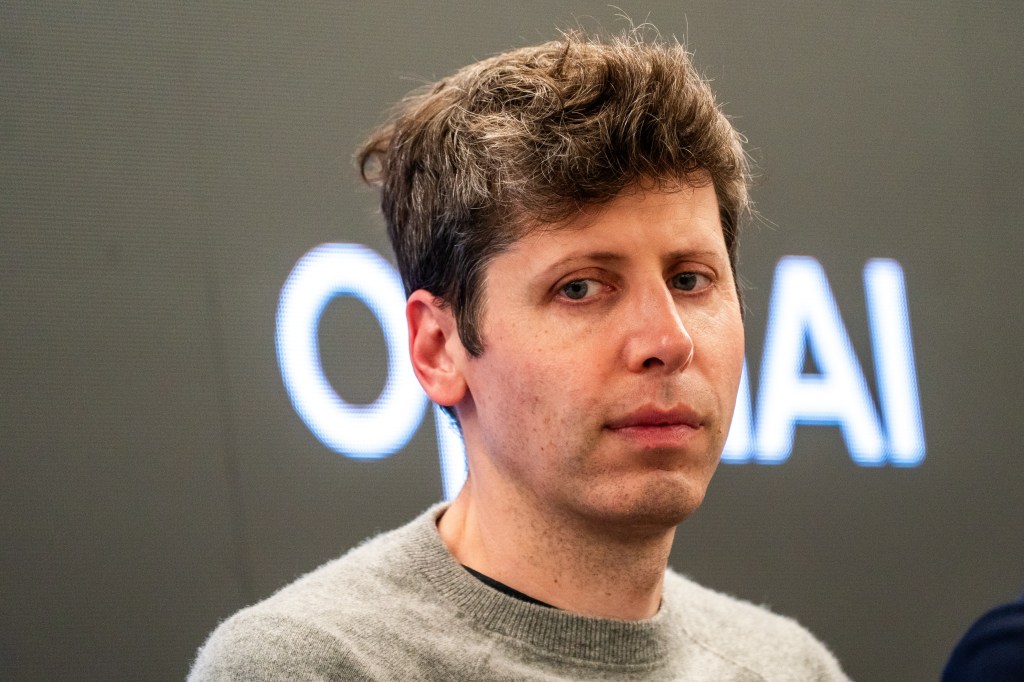
Early Friday morning, an assailant threw a Molotov cocktail at Altman’s San Francisco residence. No injuries were reported. According to the SF Police Department, a suspect was arrested at OpenAI headquarters hours later while threatening to burn down the building. Police have not publicly identified the individual.
Altman connected the timing directly to the New Yorker article’s publication days earlier. He acknowledged that colleagues warned him the piece, arriving amid widespread AI anxiety, could escalate tensions. “I brushed it aside,” Altman wrote. “Now I am awake in the middle of the night and pissed, and thinking that I have underestimated the power of words and narratives.”
The New Yorker Profile and Trustworthiness Questions
An in-depth New Yorker profile by Ronan Farrow and Andrew Marantz drew on interviews with over 100 people familiar with Altman’s business conduct. Most sources described him as driven by “a relentless will to power that, even among industrialists who put their names on spaceships, sets him apart.”
The investigation surfaced repeated concerns about Altman’s trustworthiness. One anonymous board member characterized him as combining “a strong desire to please people, to be liked in any given interaction” with “a sociopathic lack of concern for the consequences that may come from deceiving someone.” Other journalists who have profiled Altman have similarly raised credibility questions throughout his career.
Altman’s Apology and Admission of Failures
In his response, Altman acknowledged past mistakes, particularly his conflict-averse management style. He referenced his removal and rapid reinstatement as OpenAI CEO in 2023, calling it a “huge mess” for the company. “I am not proud of handling myself badly in a conflict with our previous board,” he admitted.
Altman framed himself as “a flawed person in the center of an exceptionally complex situation, trying to get a little better each year.” He expressed regret toward those he has hurt and pledged to learn faster going forward.
The “Ring of Power” and De-escalation
Altman attributed competitive tensions across AI companies to what he called a “‘ring of power’ dynamic,” referencing the totalizing philosophy of “being the one to control AGI.” His proposed solution centers on sharing technology broadly rather than concentrating power in any single entity.
He concluded by calling for reduced rhetoric and fewer “explosions in fewer homes, figuratively and literally,” while defending technological progress as capable of delivering extraordinary benefits.
Follow Hashlytics on Bluesky, LinkedIn , Telegram and X to Get Instant Updates