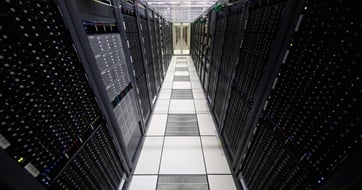
The Australian government’s new framework, part of its 2025 national AI plan, seeks to prioritize new data centers and AI compute facilities that demonstrate alignment with national objectives. This initiative comes as the Australian data center industry is projected to attract between A$85 billion (approximately US$58.8bn) to A$135 billion in investment over the next decade from both international and domestic sources.
The framework outlines five key expectations for developers of new or expanded hyperscale data centers, large-scale AI compute facilities, and co-location sites. While these do not create new legal obligations, adherence is expected to streamline regulatory engagement and support from the federal government for development proposals.
Developers are now expected to demonstrate how their projects advance Australia’s national interest across several critical areas. These include ensuring data sovereignty, promoting environmental sustainability, and generating local economic benefits. Operators must also show commitment to clean energy transition by securing new renewable generation or storage and contributing fairly to grid infrastructure costs.
Water sustainability is a particularly prominent feature. Data centers are encouraged to utilize cooling systems that minimize water waste, prioritize recycled or non-drinkable water sources, and innovate in water reuse methods. Furthermore, the framework places obligations on operators to invest in the Australian workforce and contribute to local research, innovation, and supply chain capabilities. The Australian government released the new framework to address these growing concerns.
The framework has garnered mixed reactions from industry experts. Leanne Olden, an energy law expert at Pinsent Masons, noted that while the expectations are general guidelines, their non-legally mandated nature raises concerns regarding their efficacy in protecting Australia’s grid supplies and water sources. According to Olden, this flexibility allows the government to evaluate proposals while encouraging investment and ensuring community benefits.
Data Centres Australia has publicly supported the framework’s intent but highlighted a critical shortcoming: the absence of clear assessment criteria. Without transparent and consistent benchmarks, operators and investors may struggle to understand how these expectations will be measured in practice. The Productivity Commission has also cautioned that poorly designed technology-specific legislation could stifle innovation and deter foreign investment, advocating for the utilization of existing legal frameworks to mitigate risks.
As Australia navigates the rapid growth of its digital economy, the new framework represents a significant step towards a more strategically aligned development of data centers and AI infrastructure. The challenge lies in balancing the need for robust investment with the imperative to protect national resources and foster local benefits.
Future developments will likely focus on how the government translates these broad expectations into actionable and measurable criteria, addressing industry calls for clarity. The effectiveness of this framework will depend on its ability to encourage responsible growth without inadvertently stifling the innovation and investment critical for Australia’s digital future.
Follow Hashlytics on Bluesky, LinkedIn , Telegram and X to Get Instant Updates