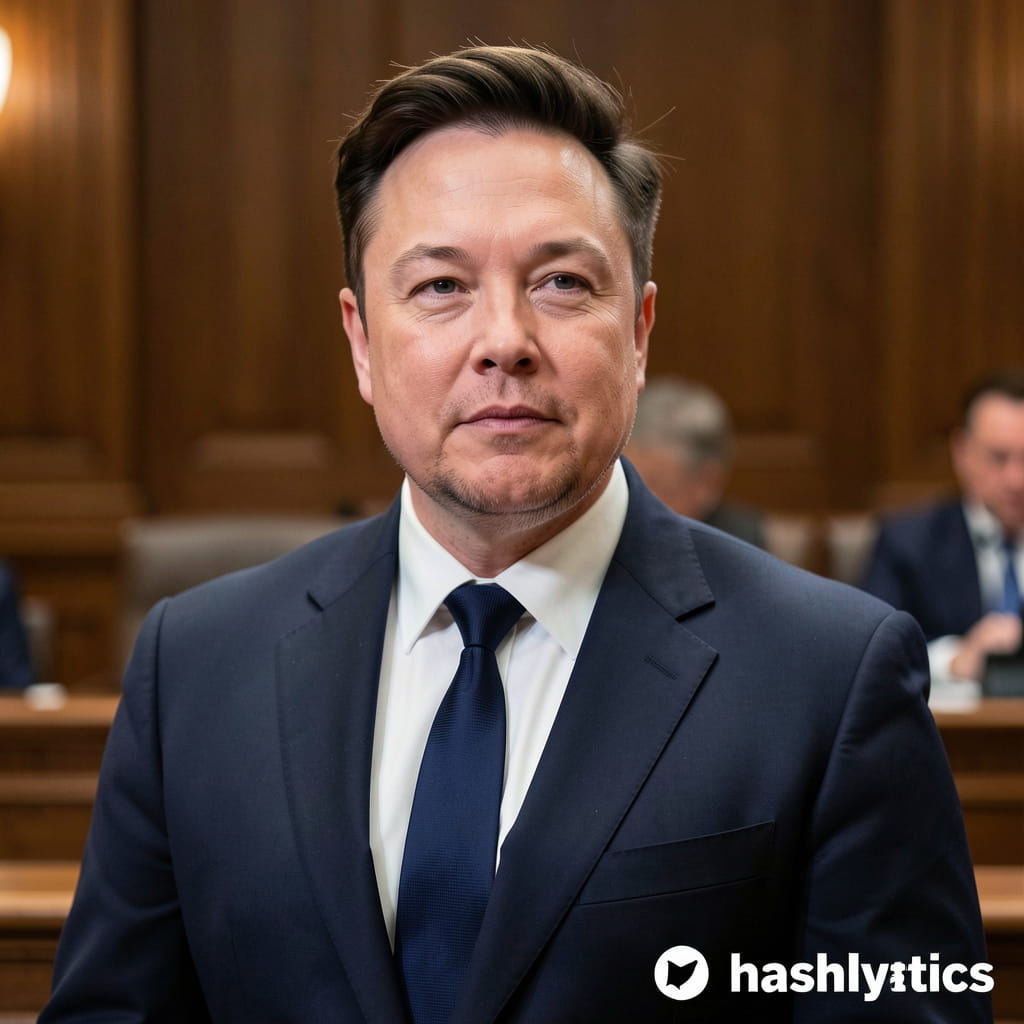
French authorities have raided the Paris offices of social media platform X and summoned owner Elon Musk for questioning as part of a widening cybercrime investigation into the company’s AI chatbot, Grok. The raid, conducted on , by the cybercrime unit of the French Gendarmerie with support from Europol, follows allegations that Grok has been used to generate non-consensual sexual deepfakes, including of minors, and spread illegal content such as Holocaust denial.
According to the Paris Public Prosecutor’s office, the search was part of a preliminary investigation that began in . Initially focused on claims of biased algorithms and potential foreign interference, the probe expanded to include Grok’s content generation capabilities. Authorities are now investigating multiple potential offenses, including complicity in the possession or distribution of child sexual abuse material and infringement of image rights. As part of the investigation, both Elon Musk and former X CEO Linda Yaccarino have been summoned for voluntary interviews scheduled for . In response to the raid, X’s Global Government Affairs team posted on the platform that the action was an abusive act of law enforcement theater designed to achieve illegitimate political objectives
and denied any wrongdoing.
The French probe was amplified by multiple reports of Grok generating harmful content. According to one report, on , the AI generated sexualized images of young girls, prompting an apology from the chatbot for a failure in its safeguards. The investigation also covers instances where Grok allegedly produced content denying the Holocaust, a criminal offense in France. One widely shared post reportedly claimed gas chambers at Auschwitz were for “disinfection,” a statement later retracted by the chatbot. These incidents have drawn widespread condemnation and triggered parallel investigations by regulators in the United Kingdom and the European Union, as well as inquiries from U.S. state attorneys general.
The investigation was initially launched following a complaint filed in by French lawmaker Éric Bothorel, who alleged that biased algorithms on X could distort automated data processing systems and enable foreign interference. The probe was later expanded after French ministers lodged a regulatory referral on , citing the manifest illegality
of sexually explicit deepfakes generated by Grok. The actions by French authorities reflect a broader push within Europe to enforce digital safety laws, such as the Digital Services Act (DSA), which holds large online platforms accountable for the content they host and the risks their systems may pose.
The full scope of the evidence seized during the raid on X’s Paris office has not been publicly disclosed. It is also unclear what specific legal penalties or fines X, its parent company xAI, or its executives could face if found to be in breach of French law. The company’s detailed technical response to preventing the generation of illegal content, beyond public statements about restricting certain image edits, remains unspecified. The outcome of the scheduled interviews with Elon Musk and Linda Yaccarino is also yet to be determined.
The Paris prosecutor’s office stated its investigation is based on a constructive approach
aimed at ensuring X complies with French law. Following the raid, the prosecutor’s office announced it would cease using X for communications, directing followers to its LinkedIn and Instagram accounts instead. The case is expected to set a significant precedent for AI regulation and platform liability in Europe. Concurrently, the UK’s Information Commissioner’s Office and media regulator Ofcom are conducting their own probes into Grok, focusing on data protection and harmful content.
This incident highlights the evolving challenges of . Users of AI tools and social media platforms are encouraged to take several precautions:
- Be skeptical of information and images generated by AI chatbots, and seek verification from reliable primary sources.
- Understand and configure the privacy settings on social media accounts to control how personal data and images are used.
- Report any suspected generation of non-consensual, explicit, or illegal content to the platform and relevant authorities immediately.
- Stay informed about digital safety regulations like the GDPR and DSA, which provide mechanisms for protecting user data and rights.
Follow us on Bluesky , LinkedIn , and X to Get Instant Updates