Google’s Local Backup Feature Emerges in Quick Share Settings
According to Android Authority’s APK teardown of Google Play Services (v26.15.31 beta), Google is building an “Automatic backup” feature housed within Quick Share settings. The feature description states: “Backup your photos with devices in your household.” This discovery suggests Google is moving away from cloud-dependent backup models toward peer-to-peer file synchronization between phones and PCs.
The feature will let users select exactly what gets backed up, including camera photos, videos, and audio files. A manual “Back up now” button enables immediate transfers without waiting for automatic syncing schedules.
How the Backup System Works Without Cloud Infrastructure
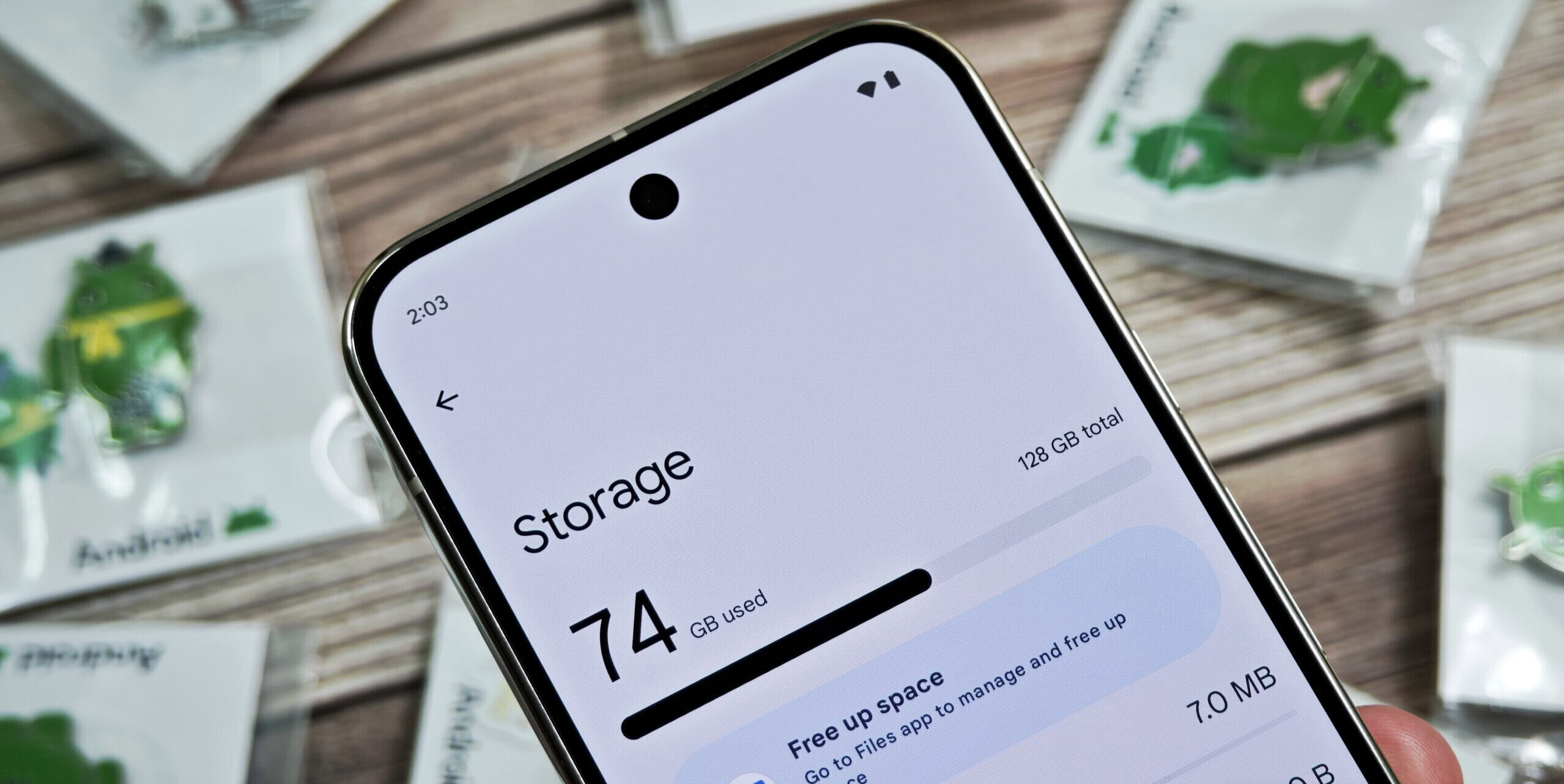
The backup process leverages Quick Share’s existing infrastructure, meaning file transfers occur locally without requiring internet connectivity. Users will likely need to be signed into the same Google account on both devices to enable synchronization. Critically, deleting files from your phone won’t remove their PC backups, allowing users to free up phone storage without losing archived data.
This approach eliminates the friction of managing separate cloud subscriptions or hitting storage caps on services like Google Photos. The local-first model keeps files private and under direct user control.
Expanding Beyond Windows PCs
While the current interface shows a placeholder for Windows PCs, the feature could expand to other platforms. Google’s upcoming Aluminum OS represents a potential target for future integration, suggesting this backup system might eventually support Google’s own operating systems.
The modular design of Quick Share’s transfer protocol makes cross-platform expansion feasible, though timeline details remain undisclosed.
What’s Unknown
Several critical details remain unconfirmed. Google hasn’t announced a public release date, and there’s no clarity on file size limits, transfer speeds, or bandwidth throttling mechanisms. The feature exists only in beta code, meaning it may never reach production.
What to Watch
This feature directly addresses a persistent Android pain point: storage anxiety. If Google launches this publicly, it could reshape how millions of users approach device storage management. The absence of cloud dependency makes it particularly attractive for privacy-conscious users and those in regions with limited cloud storage affordability.
Monitor Google Play Services updates for official announcements, though APK teardowns indicate development is active. The feature’s appearance in Quick Share suggests Google may roll it out to compatible devices sometime in 2025, though no official timeline exists.
Follow Hashlytics on Bluesky, LinkedIn , Telegram and X to Get Instant Updates