The central focus of the February update is a single high-severity vulnerability tracked as CVE-2026-0106. According to the security bulletin, this flaw is an “Elevation of Privilege” vulnerability located in the Visual Processing Unit (VPU) driver. If exploited, a malicious application could potentially use this vulnerability to gain elevated system rights, bypassing standard Android security permissions.
Google has stated that there is no evidence of this vulnerability being actively exploited in the wild. For supported devices from the Pixel 7a onward, the update will bring the system to the patch level. While this month’s update is unusually targeted at one primary issue, security experts note that the severity of a single flaw can pose a greater risk than dozens of minor bugs.
While Google patches system-level vulnerabilities, criminals continue to target users directly through other vectors. According to security researchers, current mobile threats often bypass system integrity by deceiving the user. These threats include:
- Remote Access Trojans (RATs): Malware such as “Arsink” is reportedly distributed disguised as legitimate cloud service traffic, aiming to gain remote control over an infected device.
- Fake Security Apps: Malicious applications masquerading as security tools are spread through unofficial app stores and social media. Once installed, they request extensive permissions to access and exfiltrate user data.
These types of malware rely on social engineering, often spread via messenger services, social networks, or third-party app stores.
The release is part of Google’s established monthly security update cycle, a core component of its strategy to maintain the Android ecosystem’s security. By providing regular, predictable patches, the company aims to systematically reduce the attack surface available to malicious actors. This update underscores the principle that the importance of a patch is measured by the severity of the flaws it fixes, not the quantity.
While the update is available for Pixel devices, a detailed rollout schedule for other Android manufacturers, such as Samsung, OnePlus, and others, has not been released. The full technical specifics of the CVE-2026-0106 vulnerability are also not publicly detailed, a common practice to prevent immediate exploitation before the patch is widely deployed.
The continuous cycle of patching security flaws has a direct impact on digital forensics. According to industry reports, locked smartphones are a factor in over half of all criminal investigations, and each security update makes legal data extraction from these devices more challenging. In the broader mobile security field, the industry is moving towards an AI-driven arms race, where security firms use artificial intelligence for faster threat detection, while attackers use it to automate and optimize malware.
To mitigate risks from both system vulnerabilities and direct malware attacks, security experts advise users to take several proactive steps:
- Install the Android security update as soon as it becomes available for your device.
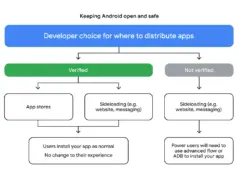
- Download applications exclusively from trusted sources, primarily the Google Play Store.
- Critically review all permissions an app requests before and after installation.
- Avoid installing software shared through links on social media, messenger apps, or unofficial websites.
Follow us on Bluesky , LinkedIn , and X to Get Instant Updates