
For decades, the quest to discover life beyond Earth has been driven by the search for specific biosignatures – molecules uniquely indicative of biological processes. But what if alien life uses entirely different building blocks? That’s the question driving the development of this innovative approach.
The traditional approach to biosignature detection often relies on identifying molecules familiar to us, like DNA or specific amino acids. However, this inherently limits the search to life as we know it. LifeTracer, developed by computational scientists, takes a broader perspective. As the researchers themselves note, the key idea behind their framework is that life produces molecules with purpose, while nonliving chemistry does not.
Think of it like this: a pile of rocks might contain various minerals formed through random geological processes. But a living organism meticulously assembles molecules to perform specific functions – storing energy, building membranes, transmitting information. LifeTracer aims to identify these purposeful patterns.
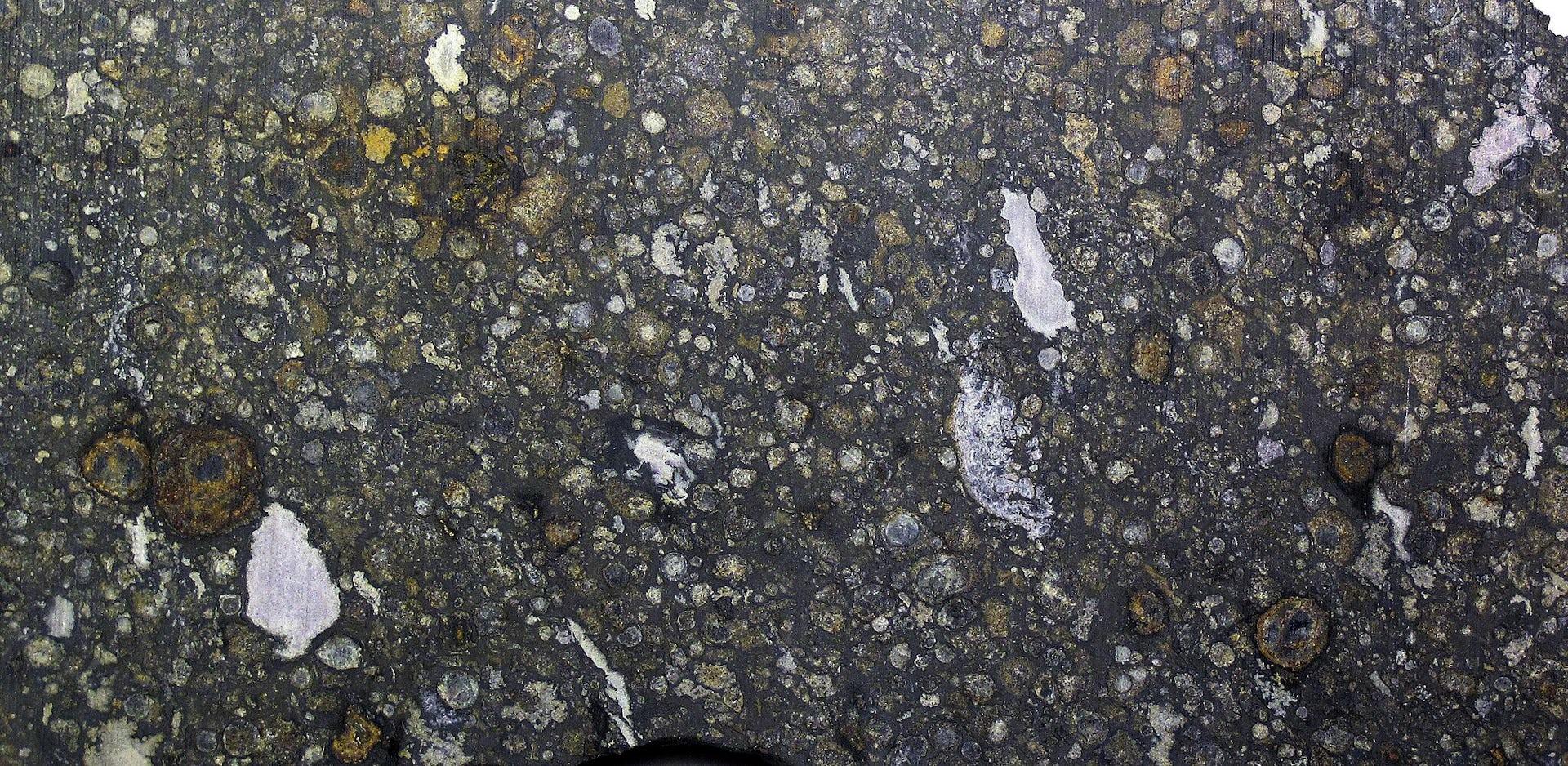
The team tested LifeTracer on samples from contained many of life’s building blocks. Non-biological processes typically produce equal mixtures of both forms.
LifeTracer analyzes these chiral ratios, along with other molecular properties, to assess the likelihood of a biological origin. The AI can then compare the sample to known biological and non-biological samples.
LifeTracer represents a significant step forward in the search for extraterrestrial life. By moving beyond the limitations of Earth-centric biosignatures, it opens up the possibility of detecting life forms drastically different from our own. It also acknowledges that the search for life on other planets may be a LifeTracer.
As we venture further into the cosmos, armed with increasingly sophisticated tools like LifeTracer, the chances of answering one of humanity’s most profound questions – are we alone? – become ever more promising. The universe may hold secrets beyond our wildest imaginations, and AI is poised to help us unlock them.