Wale Williams emphasized the increasing importance of robust cybersecurity, adherence to regulatory standards, and continuous innovation within Nigeria’s banking and financial services. He noted that while the sector experiences significant expansion, the concurrent growth of digital channels has amplified exposure to cyber threats, making these pillars essential for customer reassurance. According to Williams, the Central Bank of Nigeria (CBN) has introduced regulations that mandate banks to deploy technologies capable of identifying unusual transaction patterns, even those stemming from customers’ own risky actions.
Williams asserted that innovation and security are now inextricably linked, stating that security considerations are increasingly integrated at the design stage of new digital products and services. This approach aims to ensure that technological advancements do not compromise customer safety. He identified social engineering and phishing as prevalent cyber threats affecting customers, stressing that technology alone cannot fully secure the digital ecosystem. Williams added that banks have intensified public awareness campaigns, urging customers to safeguard sensitive information, as Customers must be the last line of defence
.
The emphasis on cybersecurity comes as Nigeria’s financial inclusion has seen growth, with formal financial inclusion rising to 64% in from 54% in , according to an EFInA survey. However, the banking sector has faced a substantial surge in cyber-attacks, leading to financial losses and operational disruptions.
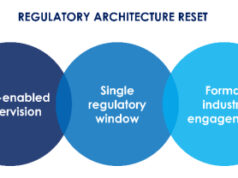
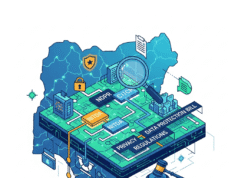
The stated reasons for this focus are multifaceted, aiming to deepen financial inclusion while simultaneously mitigating the elevated risks associated with expanded digital footprints. Williams clarified that regulatory frameworks act as enablers of trust, rather than barriers to innovation. He indicated that CBN guidelines and data protection laws establish minimum standards designed to protect customer interests and foster confidence in the overall financial system.
Specific details regarding the immediate impact on customers, such as potential user refunds or compensation mechanisms for cyber-attack victims, were not provided. The precise timeline for the full implementation of advanced AI cybersecurity strategies across all Nigerian banks ahead of also remains unspecified.
Looking ahead to , Williams affirmed that artificial intelligence will remain central to banks’ cybersecurity strategies. He assured customers that advanced technologies will continue to enhance protection against emerging threats, particularly as digital payments and financial inclusion continue their expansion across Nigeria. This ongoing commitment aims to fortify the banking sector against evolving cyber risks while supporting broader economic goals.
Follow us on Bluesky , LinkedIn , and X to Get Instant Updates