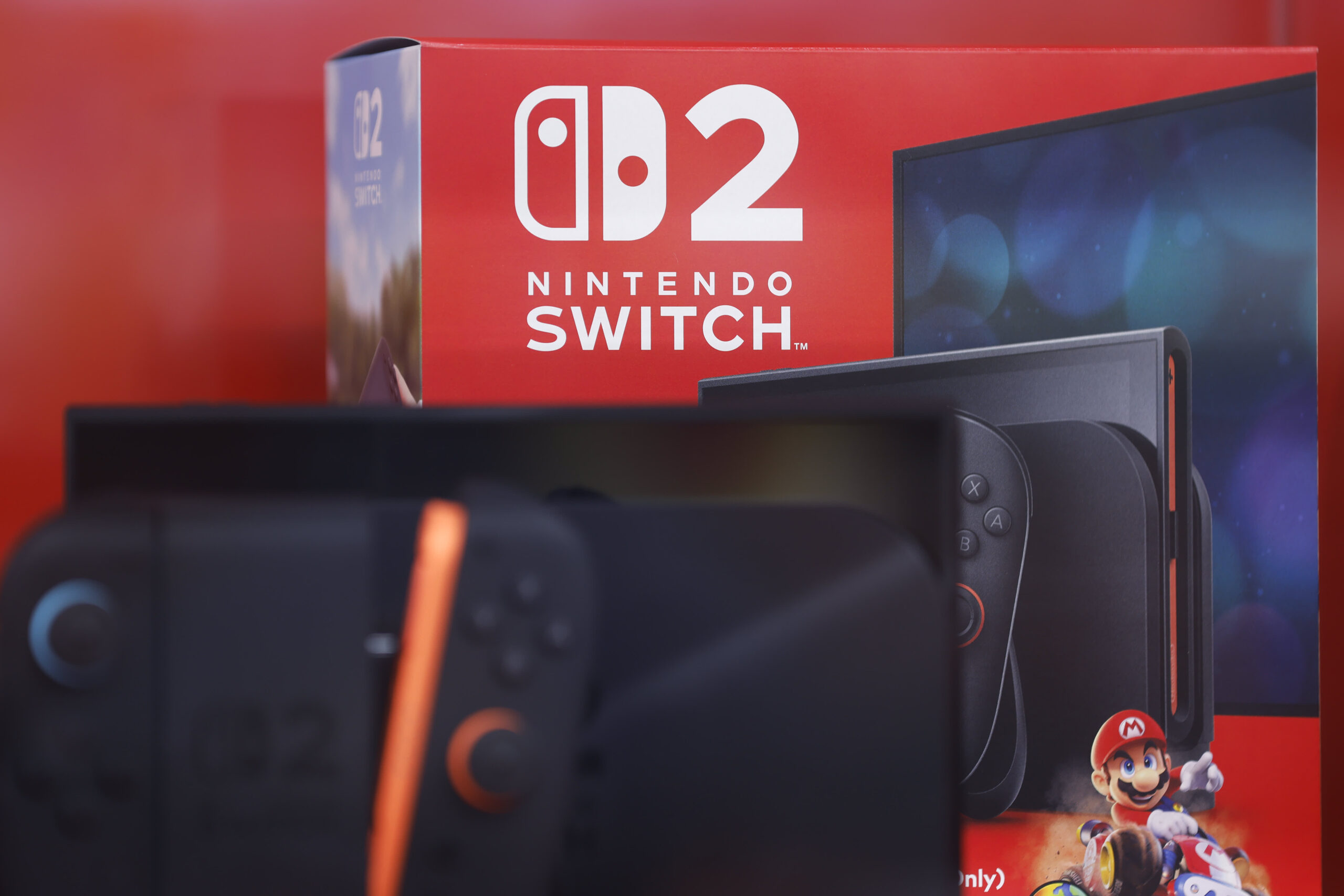
Nintendo’s stock took a nosedive this week, raising serious questions among investors and gamers about the future of the Switch 2 and the company’s ability to navigate a turbulent hardware market.
What changed most: A global memory chip shortage is casting a long shadow over the Switch 2’s production, sparking fears of price hikes and an inability to meet demand, causing Nintendo’s shares to plummet by over 10%.
- Platforms: Nintendo Switch 2
- Release:
- Price: Varies by region; potential for price increases cited as a key concern.
- Developer: Nintendo
- Genre: Gaming Console Hardware
The market’s reaction follows a report that Nintendo missed quarterly revenue estimates, compounded by industry-wide headwinds. According to market researcher TrendForce, an unprecedented memory shortage is threatening the supply chain. This concern was echoed by a top semiconductor CEO who, in a statement to CNBC, predicted the memory chip shortage could persist through 2027.
This supply crunch puts Nintendo in a difficult position. Serkan Toto, CEO of consultancy Kantan Games, told CNBC that price increases could be on the horizon. If the current trend in the memory space continues, I would not be surprised at all to see Nintendo raising prices,
Toto stated, noting that the Switch 2 is already an expensive device and that price hikes would be hard for Nintendo’s rather casual user base
to swallow.
To combat concerns about slowing momentum, Nintendo is banking on its powerful first-party software lineup. The company has announced plans to release “Mario Tennis Fever” in February and “Pokémon Pokopia” in March, hoping these major franchise titles will convince consumers to upgrade and maintain sales velocity.
Beyond hardware shortages, analysts are focused on whether the Switch 2 can maintain the incredible momentum of its predecessor. The main concern seems to be momentum: The first year is absolutely critical for every new console,
explained Serkan Toto. In that sense, Nintendo is a victim of its own success, as Switch 1 had a stellar first 12 months after launch – which is hard to replicate today.
Nintendo also appears to be leveraging its success in other media to drive console sales. Following the massive success of the first Super Mario movie in 2023, the company has “The Super Mario Galaxy Movie” scheduled for an April release, likely hoping for a similar boost for the Switch 2.
Still, the pressure is on. James McWhirter, a senior analyst at Omdia, told CNBC that 2026 will be a make-or-break
year for the console’s future. With Nintendo’s shares already down more than 15% this year, according to the report, the performance of its upcoming games and its handling of the global chip shortage will be under intense scrutiny from both Wall Street and Main Street.
Follow us on Bluesky , LinkedIn , and X to Get Instant Updates