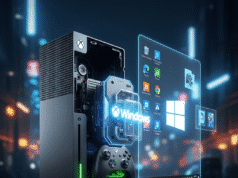
While no official statements have been made by Sony or Microsoft regarding delays, reports from industry sources like Insider Gaming indicate that console hardware makers are in discussions about pushing back the next console generation from its previously anticipated 2027-2028 window. The underlying issue is the soaring price and scarcity of high-bandwidth memory (HBM) and other advanced DRAM, which are increasingly prioritized for AI applications.
- Projected PS6/Next Xbox Launch Window (Original): 2027-2028 (industry speculation)
- HBM Market Size (2025): Approximately $2.95 billion, projected to grow to $24.81 billion by 2034 with a CAGR of 26.71% (industry forecast)
- DDR5 Memory Price Increase: In some cases, several hundred percent since late 2025 (industry reports)
The gaming industry’s reliance on cutting-edge memory components is colliding with the explosive growth of artificial intelligence. AI data centers are voraciously consuming high-bandwidth memory (HBM) and advanced DRAM, leading memory manufacturers like Samsung, SK Hynix, and previously Micron (which has exited the consumer market) to prioritize these more lucrative enterprise clients. This reallocation of production capacity from standard consumer DRAM to HBM has caused prices to skyrocket and supply to tighten across various sectors, including PC gaming hardware. Next-gen consoles, expected to integrate more AI for features like dynamic difficulty adjustment, realistic NPCs, and procedural content generation, will require substantial amounts of high-performance RAM. The current market dynamics mean that if consoles launch as planned, they could face significantly higher production costs, potentially leading to increased retail prices for consumers.
Console manufacturers are reportedly debating delays to allow RAM prices and availability to stabilize, with some analysts suggesting the shortage may persist into 2027-2028. Microsoft has stated its next-gen Xbox hardware lineup will include consoles and be “enhanced with the power of AI”. Sony, while having trademarked “PS6,” has not officially commented on these reports. Gamers may need to prepare for a longer wait for the next generation of consoles, potentially pushing release dates beyond 2028 or even 2029 if the memory crisis does not ease. The situation highlights a broader challenge for the consumer electronics sector as AI continues to reshape global component supply chains.
Follow us on Bluesky , LinkedIn , and X to Get Instant Updates