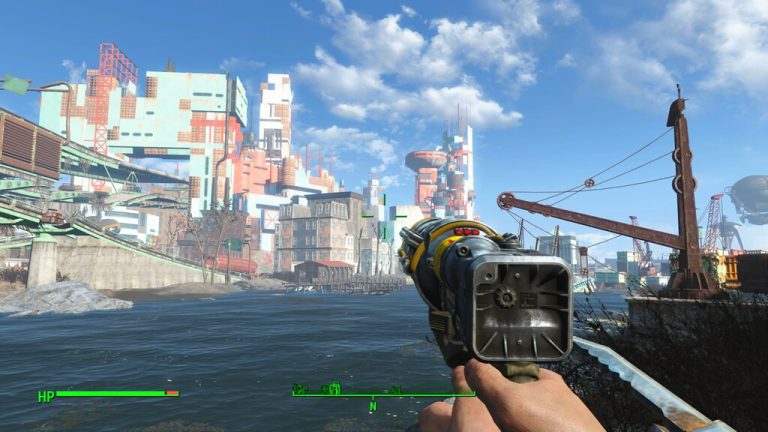
Bethesda Softworks, known for its Elder Scrolls and Fallout open-world RPGs, faces renewed player skepticism regarding future game promises, including for Fallout 5. This sentiment stems from a historical pattern of claims made by studio leadership that, according to players and critics, have not fully materialized in released titles. The studio’s track record has reportedly led to caution among its fanbase concerning upcoming projects.
The scepticism surrounding Bethesda‘s future titles, such as Fallout 5 and Elder Scrolls 6, is rooted in past statements by studio figures. For instance, studio boss Todd Howard previously claimed that Fallout 3 would feature over 300
endings, though the game ultimately launched with two. More recently, Starfield, the studio’s latest major release, was reportedly designed as a decade game
akin to Skyrim, according to a Game Informer interview. However, Starfield received criticism for its perceived gray-colored tedium
, leading to the quiet discontinuation of its planned downloadable content (DLC).
The perceived disparity between initial developer claims and final product delivery has cultivated a cautious outlook among players. Starfield‘s reception, specifically its critical response regarding gameplay depth and engagement, has been cited as a contributing factor to this sentiment. Furthermore, game designer Emil Pagliarulo reportedly highlighted the addition of a sprint button as a prime example of Bethesda‘s design innovation over the past 20 years, a statement that some have viewed as indicative of slow progress in core mechanics. This historical context contributes to the current player skepticism for forthcoming releases.
Player skepticism appears to be a direct consequence of Bethesda‘s established pattern of ambitious pre-release statements that, in the view of some players and critics, have not been consistently met by the final products. The contrast between promised features, such as the extensive endings for Fallout 3, and the actual content delivered, alongside the critical reception of Starfield‘s long-term playability, has contributed to a perception of overpromising within the gaming community.
Specific details regarding features, development timelines, or release dates for Fallout 5 remain unconfirmed. The current information does not include new, specific promises for Fallout 5 itself, but rather focuses on historical context influencing player perception of future titles.
As Bethesda continues development on The Elder Scrolls 6 and future projects like Fallout 5, the studio will likely navigate ongoing player expectations shaped by its past releases. The challenge for Bethesda will be to manage community perceptions and deliver on future promises to rebuild trust among its player base.
Follow us on Bluesky , LinkedIn , and X to Get Instant Updates