
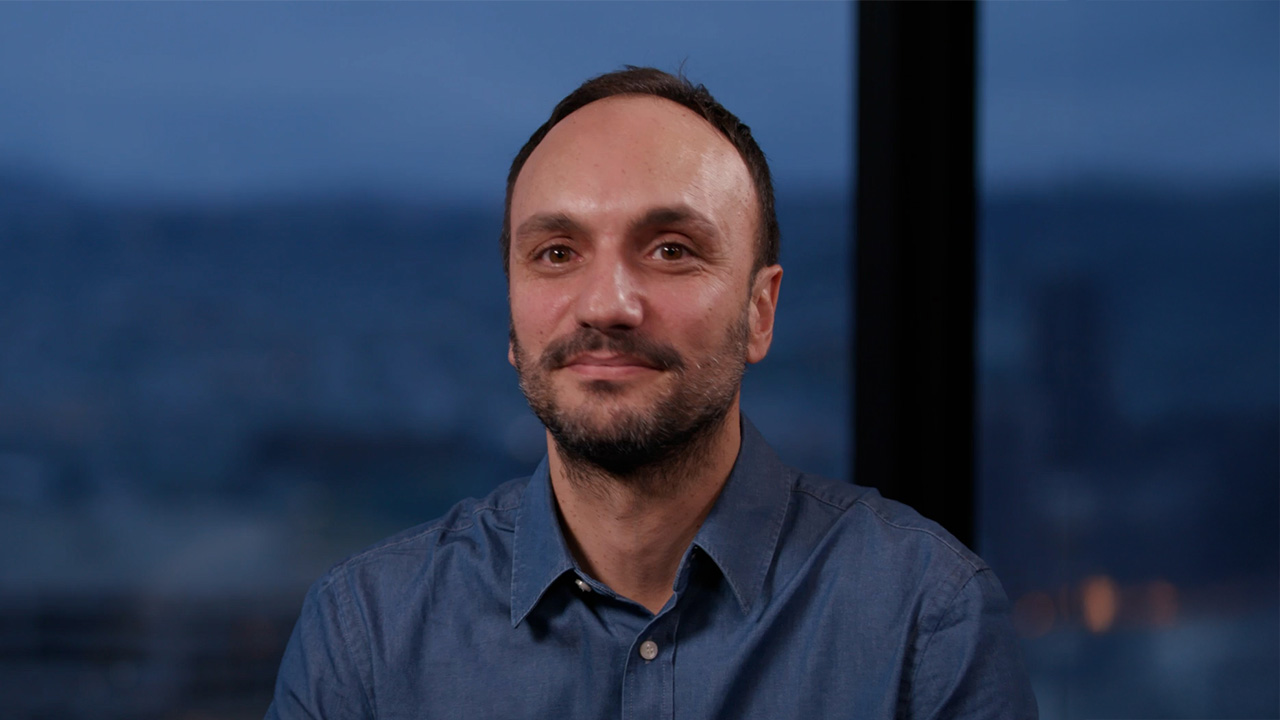
The exponential growth of data, transitioning from terabytes to petabytes, is compelling enterprises to re-evaluate their database management strategies. The traditional method of manual tuning is becoming obsolete, leading to a surge in demand for automated solutions. DBtune, founded by Luigi Nardi, is positioning itself to offer a more secure and dependable route to relational database automation.
Speaking at Microsoft Ignite, Nardi emphasized the continuing relevance of relational databases. Their established track record and ability to model intricate relationships have solidified their place as a fundamental component of modern data infrastructure. However, the massive scale of contemporary data requires a fundamentally new strategy.
Traditional database tuning is rapidly losing ground. Whether due to high costs or scalability limitations, organizations are increasingly embracing automation to proactively optimize their data resources. This transition is not merely about improving efficiency; it is essential for thriving in a data-rich environment.
Nardi emphasized the growing urgency to shift from reactive problem-solving to proactive optimization. The conventional methods are simply inadequate to manage the current demands.
DBtune‘s solution integrates “probabilistic machine learning” with “deterministic guardrails.” This methodology aims to harness the capabilities of domain-specific LLMs while guaranteeing secure and reliable adjustments in production settings. The core objective is to develop a system that is both intelligent and dependable.
“Everybody needs to feel safe and not in a danger zone when they’re using this type of technology. The most important mechanism is to really combine what you can do with probabilistic machine learning together with software and deterministic guardrails,” Nardi explained.
The Need for Safety Nets
The “guardrails” component is essential. While machine learning presents substantial optimization opportunities, it also involves inherent risks. Without appropriate safeguards, automated tuning can produce unintended consequences and potentially destabilize the database. DBtune’s architecture is specifically engineered to mitigate these potential risks.
Nardi’s background provides him with a unique advantage to address this challenge. Before establishing DBtune, he held the position of associate professor of machine learning at Lund University and was a research staff member at Stanford University. His expertise lies in the theory and application of black-box optimization.
Furthermore, he is an accomplished researcher, having co-authored over 50 peer-reviewed papers in leading machine learning and computer science venues. This combination of academic rigor and practical experience shapes DBtune’s approach.
Nardi’s presentation at Microsoft Ignite addressed several crucial areas, including:
- Optimizing database management through automation.
- Agentic AI‘s impact on manual tuning.
- Using machine learning as a cornerstone for building AI.
These topics underscore the complex and multifaceted nature of the challenges and opportunities present in database management today. The future will likely involve a more integrated approach combining AI, automation, and human expertise.
DBtune’s approach marks a significant advancement toward a more automated and efficient future for relational database management. By merging the power of machine learning with strong safety mechanisms, they aim to unlock the full potential of data while minimizing associated risks. As data volumes continue to increase dramatically, such innovations will become increasingly vital for organizations of all sizes.