In a world increasingly wary of data breaches and algorithmic bias, Deutsche Telekom is placing a strong emphasis on “privacy-first” AI. This commitment suggests a focus on developing AI models that prioritize user data security and ethical considerations, a crucial factor in gaining trust and widespread adoption in the European market.
The partnership grants Deutsche Telekom early access to an alpha-phase OpenAI model, allowing them to co-develop new AI-powered products and experiences tailored to the specific needs of their customer base. This early access is a significant advantage, giving them a head start in shaping the future of AI applications.
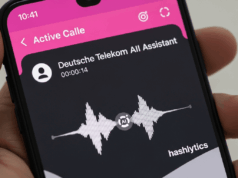
One of the key goals of this collaboration is to make AI simple, personal, and multilingual. Imagine AI assistants that understand your language, anticipate your needs, and seamlessly integrate into your daily routines. That’s the vision Deutsche Telekom and OpenAI are pursuing.
The initial pilots, slated for Q1 2026, will focus on communication and everyday productivity, suggesting applications like AI-powered translation services, intelligent email management, and personalized task automation. The aim is to create AI experiences that feel familiar and intuitive, building on the widespread familiarity with tools like ChatGPT, which boasts 800 million weekly users globally.
Enterprise-Wide AI Adoption
Beyond customer-facing applications, Deutsche Telekom is also embracing AI internally. The company plans to roll out ChatGPT Enterprise across its organization, providing employees with secure access to OpenAI’s most advanced tools. This move is expected to boost productivity, improve customer service, and free up employees to focus on innovation.
AI will also play a growing role in customer care, internal support systems, and network operations, paving the way for more autonomous and self-healing networks. This internal transformation will not only enhance efficiency but also create new opportunities for employees to develop AI-related skills.
This is not a typical vendor relationship, it is a strategic collaboration helping shape the future of AI in Europe,
said Abdurazak Mudesir, board member for product and technology at Deutsche Telekom. Together with OpenAI, we are building next-generation products, strengthening our core operations with AI. We are focused on making AI intuitive, secure, and meaningful in everyday life for our customers, employees, and our networks.
With over 261 million mobile customers worldwide, Deutsche Telekom possesses a massive platform to bring AI into mainstream use. This partnership with OpenAI marks a significant step in their AI journey, transitioning from experimental projects to large-scale deployments that benefit everyone.
As Deutsche Telekom continues its AI transformation, it will be crucial to monitor how they navigate the ethical challenges and privacy concerns associated with this powerful technology. Their approach could serve as a blueprint for other companies seeking to harness the potential of AI while upholding the values of trust and transparency.
The collaboration between Deutsche Telekom and OpenAI signals a pivotal moment in the evolution of AI. By focusing on accessibility, privacy, and practical applications, they are paving the way for a future where AI empowers individuals and transforms industries across Europe and beyond.