Cloud repatriation is reshaping enterprise infrastructure strategies. Organisations are reclaiming control over data residency, operational autonomy, and cost predictability by moving workloads back to on-premises and edge environments.
James Lovegrove, public policy director for EMEA and APAC at Red Hat, explains that European leaders are prioritising digital sovereignty. This means retaining the legal and technical capacity to audit, modify, and secure their own environments according to regulatory requirements.
The numbers underscore this transition. Gartner forecasts that sovereign cloud infrastructure as a service (IaaS) spending will shift 20% of current workloads from global to local cloud providers. Global sovereign cloud IaaS spending is expected to reach £60 billion this year, representing 35.6% year-on-year growth. Europe alone could see 83% growth in the same period.
However, sovereignty comes at a premium. Analysis by BCG Global in 2025 indicates that sovereign cloud options carry 10-30% cost premiums compared with public cloud offerings. This reflects compliance controls, isolated infrastructure, and region-specific staffing requirements.
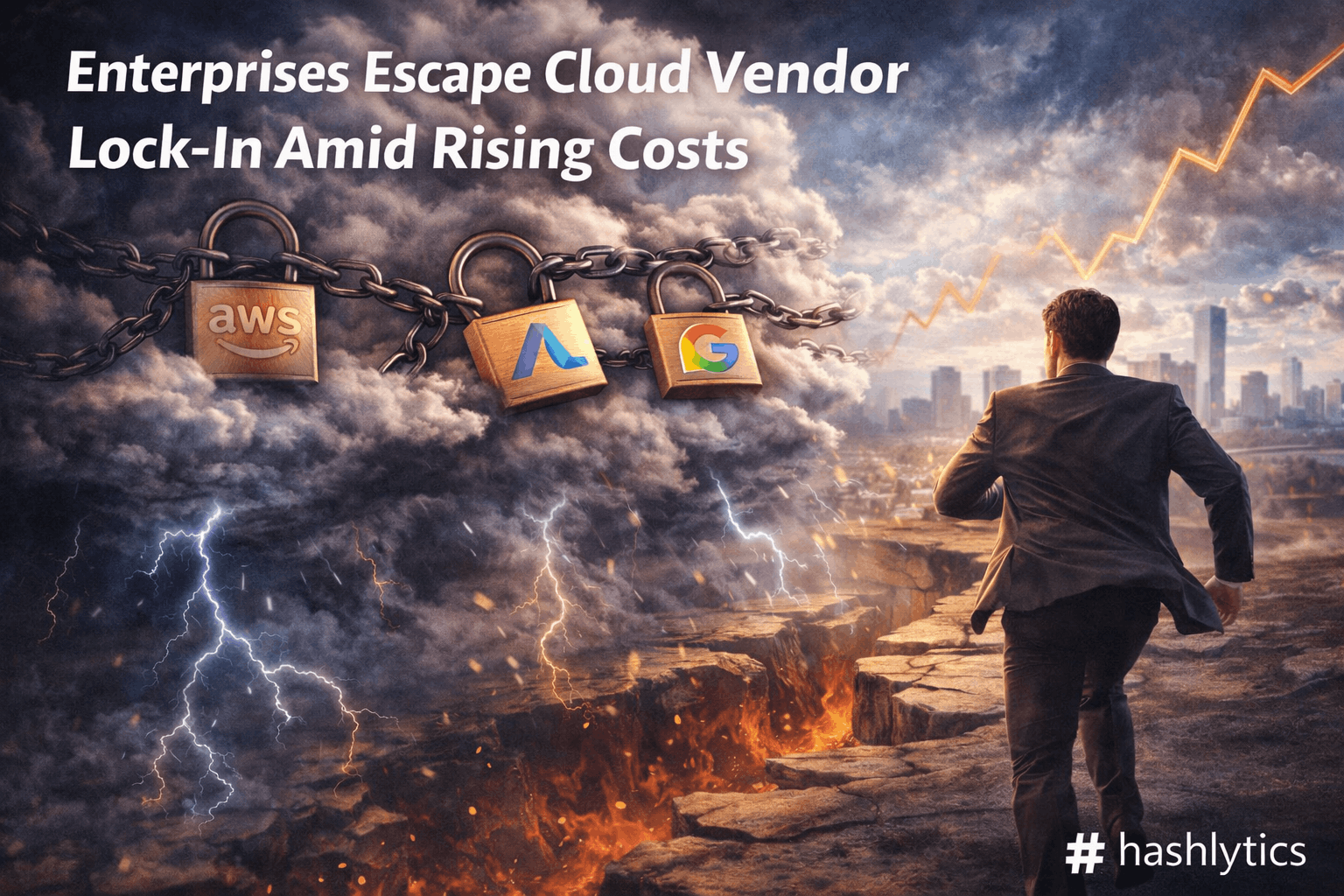
Enterprises face a critical threshold: the point at which migration costs exceed cloud savings. Provider-specific tools, proprietary databases, AI services, and embedded datasets make leaving increasingly expensive. Emma Lauchlan, director of growth at Asanti Data Centres, notes that a third of organisations plan to move workloads into on-premises or UK colocation environments to retain control over data residency and protection.
Dean Garvey-North, CTO of Microlise, cautions that the OpEx-to-CapEx narrative oversimplifies reality. Moving to edge infrastructure increases capital expenditure on hardware and facilities while raising operational complexity and staffing costs, often offsetting perceived savings.
The solution lies in hybrid deployment. Rather than viewing edge and cloud as alternatives, leaders should treat them as complementary. Edge handles real-time operational intelligence while cloud manages data platforms, AI training, and large-scale analytics.
Wayne Scott, GRC solutions lead at Escode, emphasises that true sovereignty requires control over the full dependency chain. This includes independent access to critical applications, clear legal rights across the software supply chain, and the ability to validate and rebuild software if a vendor fails.
Regulators increasingly focus beyond data location alone. They now examine whether organisations can continue operating if a supplier withdraws or becomes non-viable.
CIOs and CFOs must assess their lock-in threshold honestly. They should identify which data-heavy, latency-sensitive, or predictable systems warrant migration to edge or private infrastructure where costs are controllable.
The path forward demands balancing hyperscale innovation with risk mitigation. As Garvey-North concludes, the future belongs to architectures that intelligently combine edge and cloud rather than choosing one over the other.
Follow Hashlytics on Bluesky, LinkedIn , Telegram and X to Get Instant Updates