-0.81%
-0.79%
+1.60%
-4.74%
+1.35%
-3.67%
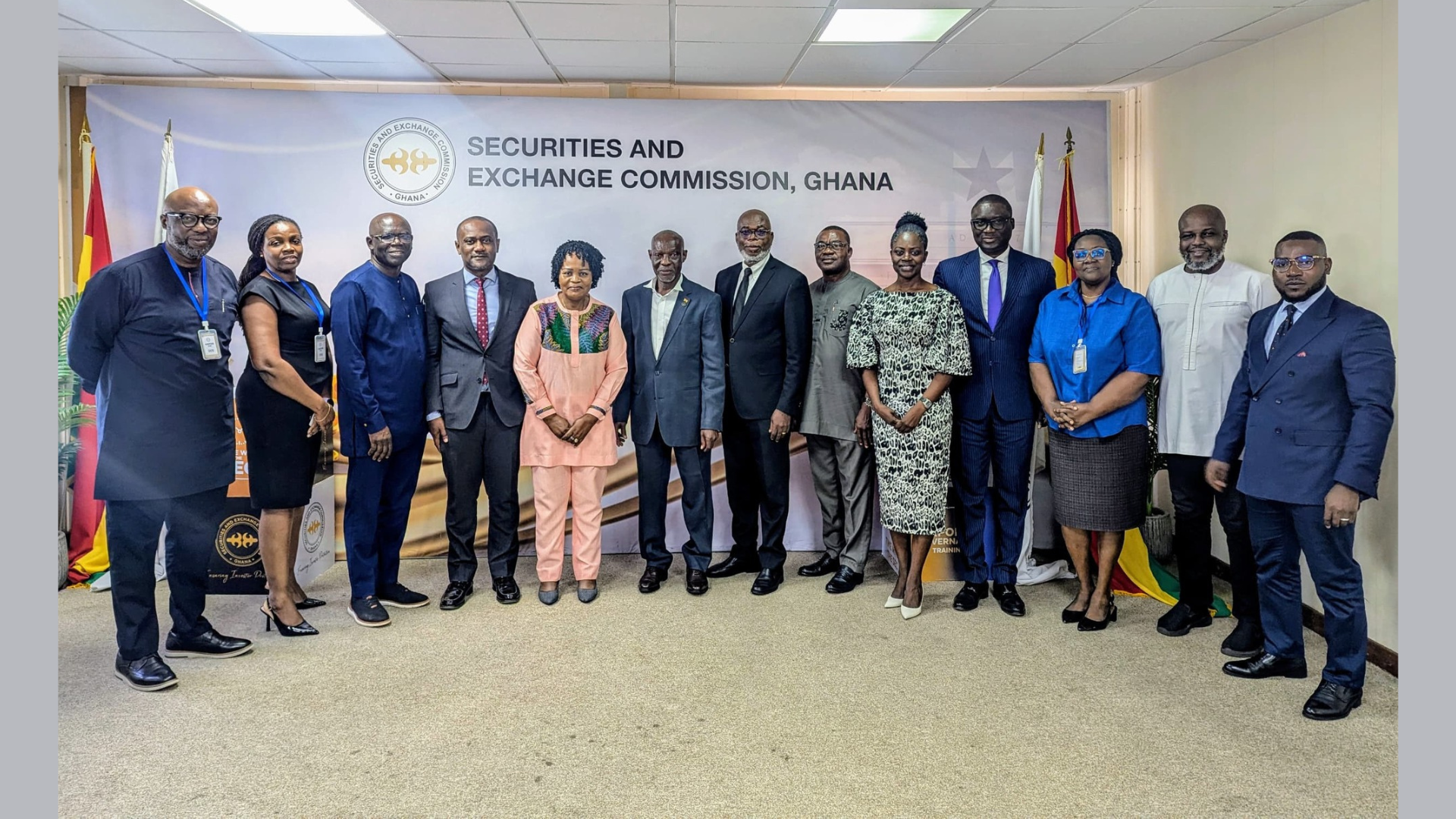
Ghana’s Securities and Exchange Commission has admitted 11 companies into a 12-month regulatory sandbox to test cryptocurrency and digital asset services under the Virtual Asset Service Providers Act, 2025 (Act 1154). This framework lets companies innovate under regulatory supervision while authorities gather operational data to shape final licensing rules.
The 11 Sandbox Participants
The admitted firms span exchanges, tokenization platforms, and asset management services:
- Crypto exchanges: Hyro Exchange GH Ltd, HanyPay, WhiteBit, KoinKoin
- Asset tokenization: Africoin, Blu Penguin, Vaulta, XChain, Goldbod
- Other services: HSB Global, Bsystem Ltd
The program allows these companies to operate live products under defined limits while the SEC monitors compliance, operational risks, and market behavior. Firms demonstrating readiness may transition to full licenses after six months if they meet all regulatory standards. Others will remain in the sandbox for the full 12-month term to refine their systems.
How the Sandbox Works
The SEC will evaluate participants across multiple compliance dimensions:
Anti-Money Laundering (AML) Controls: All firms must implement transaction monitoring, customer verification, and suspicious activity reporting systems that meet international standards.
Investor Protection Standards: Companies must demonstrate custody safeguards, disclosure practices, and dispute resolution mechanisms to protect retail users.
Counter-Terrorism Financing (CTF) Compliance: Participants must screen transactions against sanctions lists and implement risk-based controls to prevent illicit financing.
Operational Risk Management: The regulator will assess cybersecurity measures, system uptime, liquidity management, and business continuity planning during the pilot.
Market Discovery Phase
The sandbox functions as a policy laboratory where regulators observe how token issuance, digital asset trading, custody, and investment services operate in practice before finalizing permanent rules. Data collected during the 12-month trial will inform the SEC’s licensing guidelines for virtual asset providers across multiple categories.
This approach positions Ghana differently from other African crypto markets. Instead of allowing the industry to operate in regulatory grey zones and responding later with enforcement actions, authorities are constructing compliance infrastructure alongside the companies that will operate within it.
The Regulatory Context
The sandbox is the first operational implementation of Ghana’s Virtual Asset Service Providers Act, 2025, passed in December 2025. The law gives legal recognition to cryptocurrency businesses and establishes a structured framework for licensing exchanges, payment platforms, and other digital asset services.
Ghana’s move contrasts with Nigeria’s current approach. Nigeria’s SEC has paused new admissions into its crypto sandbox while the country restructures oversight between the Central Bank of Nigeria, the Nigeria Revenue Service, and securities regulators. Meanwhile, Ghana is moving forward with a transparent, supervised framework to position itself as a leader in regulated digital asset markets.
What Happens After the Sandbox
The SEC will use findings from the pilot to publish final licensing guidelines. Once finalized, the commission will open the licensing process to a broader group of providers. Applicants must meet capital requirements, governance standards, and reporting obligations set under the VASP Act.
The sandbox creates a pathway for regulated firms to build compliant products without fear of sudden enforcement while giving regulators visibility into market dynamics before scaling oversight. Success could accelerate Ghana’s position as a crypto-friendly jurisdiction with strong governance, attracting regional investment while maintaining financial stability.
Follow Hashlytics on Bluesky, LinkedIn , Telegram and X to Get Instant Updates