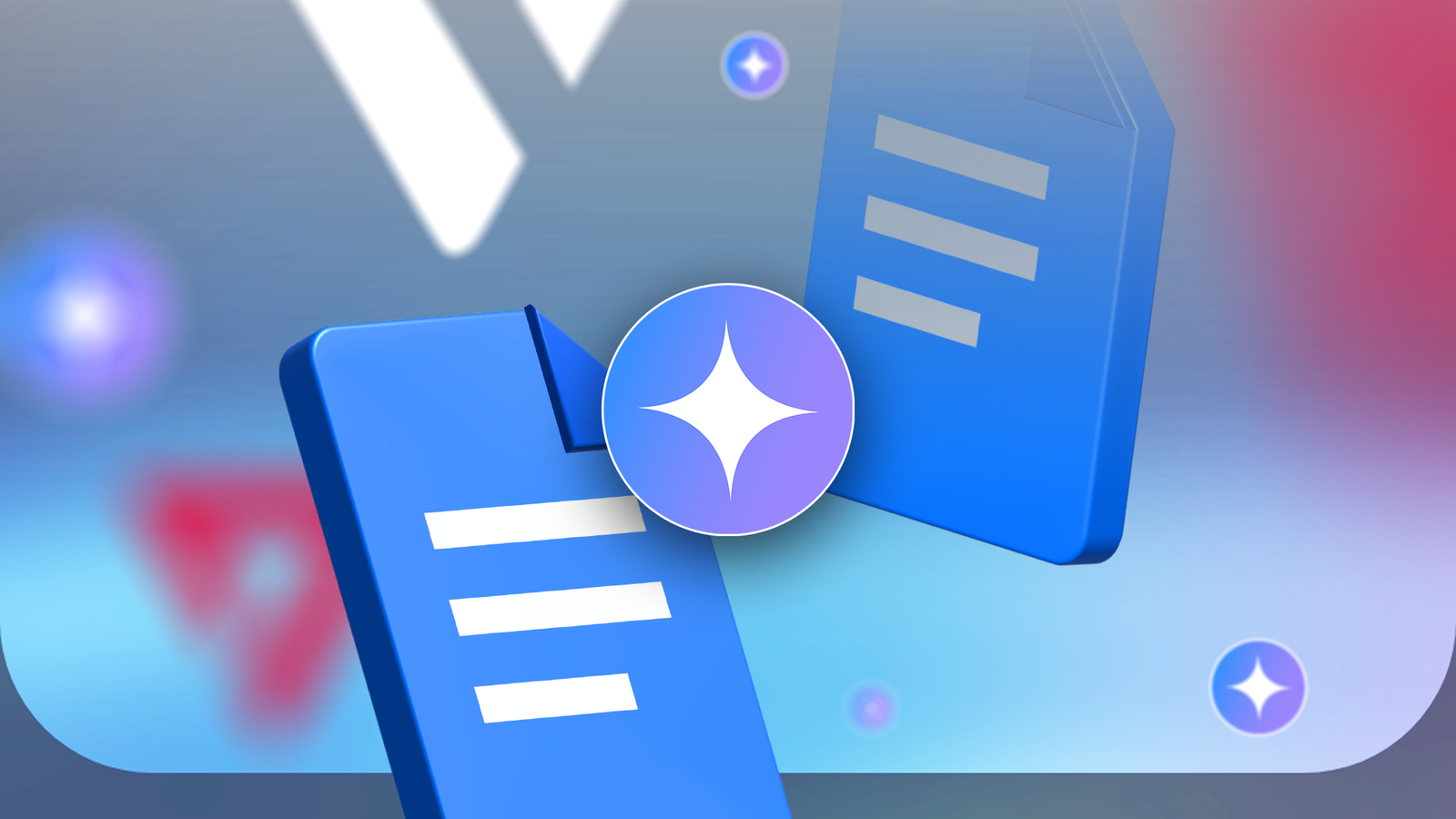
- Feature: Gemini-powered Audio Summaries in Google Docs. According to a recent Google Workspace updates blog post, this feature generates a brief audio overview of a document.
- Customization: Users can personalize the audio experience by selecting different voices (e.g., narrator, persuader, coach) and adjusting playback speeds from 0.5x to 2x.
- Functionality: The tool creates summaries that are typically under a few minutes long and can be accessed via the “Tools” menu in Google Docs.
- Availability: The feature began rolling out on , with a potential 15-day or longer period for full visibility. It is available to various paid tiers, including Business Standard/Plus, Enterprise Standard/Plus, and subscribers to Google AI Pro and Ultra plans.
By integrating Gemini to power audio summaries, Google is moving beyond basic text-to-speech functionality and leveraging generative AI to enhance content comprehension. This is a significant step for accessibility, offering a practical tool for users who are blind, have low vision, or have cognitive disabilities like dyslexia that make processing long texts challenging. Instead of just reading a document verbatim, the AI synthesizes the key points, saving time and reducing cognitive load. This feature signals a broader strategy of embedding assistive technologies directly into mainstream productivity applications, making them seamless rather than separate, specialized tools.
While promising, the effectiveness of AI-generated summaries hinges on their accuracy and nuance. An AI that misinterprets or omits critical information could be more detrimental than helpful, particularly in professional or academic contexts. There are also competitive considerations; Microsoft’s Copilot, for instance, offers a wide array of accessibility features across its M365 suite, including generating live transcripts, describing images, and simplifying complex language with voice commands. Google’s initial offering of audio summaries is a strong start, but it will need to expand its Gemini-powered accessibility toolkit rapidly to match the breadth of features offered by its primary competitor.
The key metric to watch will be the real-world performance and user feedback on the quality of these audio summaries. Future developments will likely involve expanding Gemini’s role in other accessibility functions within Workspace. This could include AI-powered alt-text generation for images, real-time transcription enhancements in Google Meet with emotional tone recognition, and more advanced voice command capabilities for document editing and navigation. Additionally, monitoring the integration of Gemini into other Google accessibility products, like the TalkBack screen reader on Android, will indicate the company’s long-term commitment to a unified, AI-driven accessibility ecosystem. The speed of rollout to different Workspace tiers and regions will also be a critical factor in its overall impact.
- Google has launched a new Gemini-powered audio summary feature in Docs, targeting improved accessibility.
- The tool offers customizable voices and playback speeds to cater to individual user needs.
- This move places AI at the core of Google’s accessibility strategy, aiming to make content comprehension faster and easier.
- Concerns about the accuracy of AI summaries and competitive pressure from Microsoft’s Copilot remain relevant.
- Future developments to watch include the expansion of Gemini into other assistive roles across the Google Workspace suite.
Follow us on Bluesky , LinkedIn , and X to Get Instant Updates