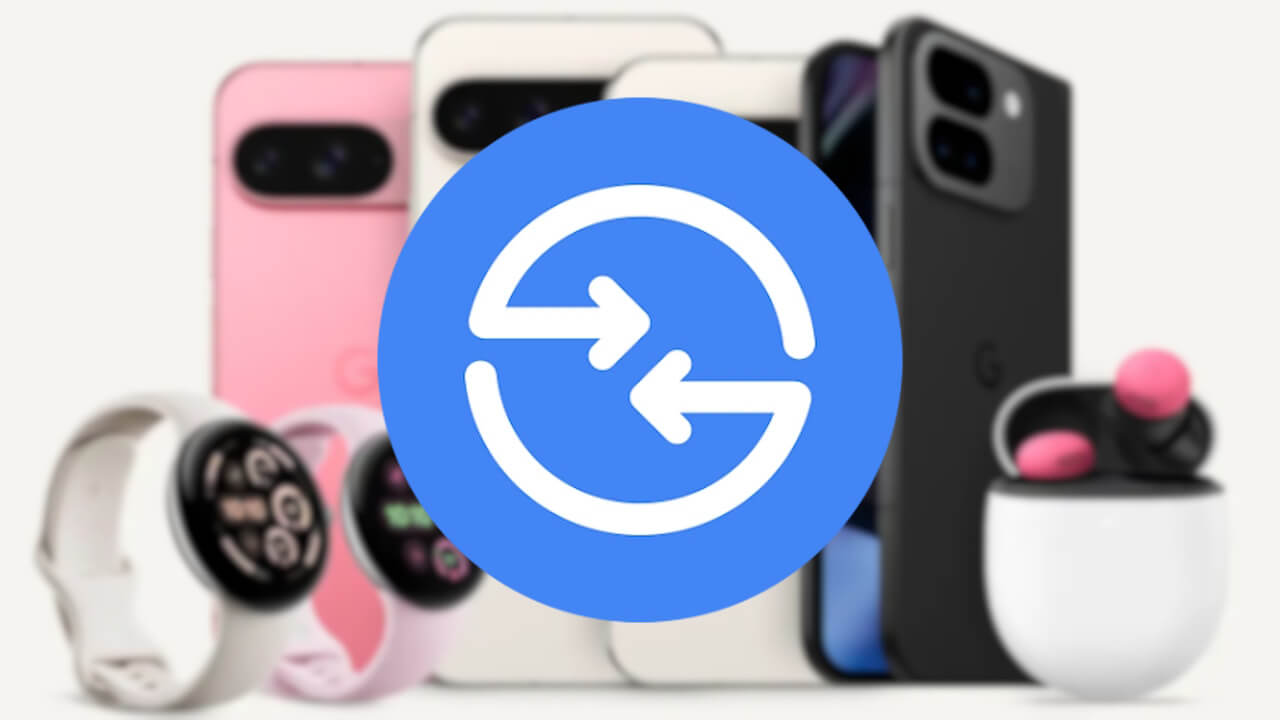
Google rolled out Quick Share Extension version 1.0.872224521 to Pixel 9 devices in mid-February 2026, enabling native file sharing with Apple’s AirDrop protocol. The update allows Pixel 9, 9 Pro, and 9 Pro XL users to send and receive files directly with iPhones, iPads, and Macs without third-party applications or cloud services.
Cross-Platform File Sharing Arrives
The Quick Share update activates two-way compatibility with Apple’s AirDrop system. Pixel 9 users can now select nearby iPhones from their Quick Share menu, while iPhone users see Pixel devices in their AirDrop contact list when both parties enable discovery mode. The feature works with photos, videos, documents, and contacts, matching the file type support of standard AirDrop transfers.
The implementation uses the same local Wi-Fi and Bluetooth protocols that power existing Quick Share transfers between Android devices. Google’s Quick Share (formerly Nearby Share) already supports transfers to ChromeOS and Windows devices. The AirDrop integration extends this network to Apple’s ecosystem, eliminating the need for workarounds like email attachments, messaging app compression, or browser-based tools like Snapdrop.
Technical Requirements and Availability
The feature requires the Quick Share Extension system app update, which Google distributes through Play Services rather than full Android system updates. This delivery method allows Google to push the functionality to supported devices without waiting for carrier approval or major OS releases.
Initial availability is limited to the Pixel 9 series, excluding the Pixel 9a budget model. Google confirmed in a February 5, 2026 press briefing that broader Android device support will arrive later in 2026 as the company works with hardware partners to implement the necessary software components. Nothing CEO Carl Pei and Qualcomm representatives previously indicated their devices would receive the feature, though specific timelines remain unannounced.
On the iPhone side, users must set AirDrop visibility to “Everyone for 10 Minutes” to receive files from Pixel devices. This privacy requirement stems from how the systems communicate without Apple providing direct API access to third parties. The limitation mirrors similar constraints faced by Apple Watch users attempting AirDrop transfers to non-contacts.
Addressing a Long-Standing Gap
The absence of Android-to-iOS file sharing has been a persistent friction point for mixed-device households and workplaces. Users previously relied on cloud storage platforms like Google Drive or Dropbox, messaging apps that compress media files, or email for document transfers. Web-based peer-to-peer solutions required both parties to be on the same Wi-Fi network and manually access websites, adding steps that defeated the convenience of proximity sharing.
Apple’s AirDrop has operated exclusively within its ecosystem since its 2011 introduction on iOS 7. Google introduced Nearby Share in 2020 for Android 6.0 and later devices, rebranding it to Quick Share in 2024 following its expansion to Windows and ChromeOS. The December 2025 joint announcement between Google and Apple on improved platform migration tools signaled increased cooperation on interoperability features, with Quick Share-AirDrop compatibility representing the first major technical implementation.
Market Impact
The update addresses a competitive disadvantage for Android devices in environments where iPhone ownership predominates. Sales data from IDC shows iPhones comprise 55-60% of the U.S. smartphone market, creating scenarios where Android users regularly need to share files with iOS contacts. The inability to use native sharing features previously positioned Android devices as less convenient in mixed-platform settings.
For Pixel devices specifically, the feature provides differentiation from other Android manufacturers until broader ecosystem rollout occurs. Google’s control over both the Android operating system and Pixel hardware allows faster implementation compared to third-party device makers who must integrate Google’s system components with their custom Android builds.
The phased rollout suggests Google is validating the technical implementation on its own hardware before expanding to the broader Android ecosystem. Quick Share integration with third-party devices historically involved coordination with manufacturers on system-level modifications, particularly for features requiring low-level Bluetooth and Wi-Fi Direct access.
Follow us on Bluesky , LinkedIn , and X to Get Instant Updates