+3.16%
+4.14%
+3.31%
+3.64%
+2.00%
+2.14%
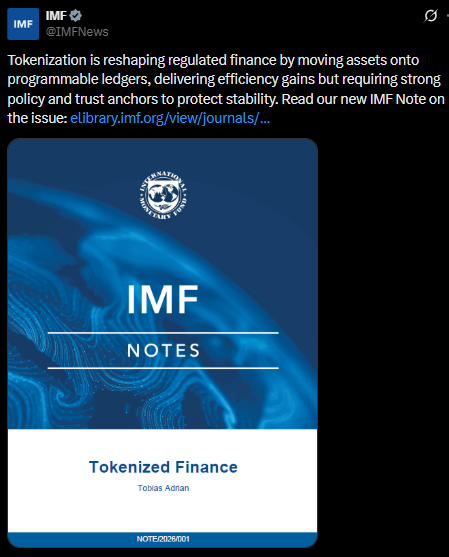
Tokenized assets backed by cryptocurrencies exhibit volatility unknown in traditional finance. Sharp daily price swings can trigger sudden margin calls and forced liquidations across platforms within seconds. The IMF warns these chain reactions spread faster than human or regulatory intervention can manage, citing repeated instability in decentralized finance as proof the system lacks stability at scale.
Additionally, tokenization threatens monetary sovereignty in developing economies. As stablecoin alternatives to local currencies become more accessible, citizens increasingly abandon national money. Argentina and Turkey exemplify this trend, where high inflation has driven citizens toward dollar-backed tokens like Tether and USD Coin. This erosion undermines governments’ control over money supply, interest rates, and fiscal policy.
Major financial institutions are pushing tokenization regardless of these warnings. BlackRock’s Larry Fink champions moving stocks, bonds, real estate, and money market funds onto blockchain networks. The largest real-world asset project, Securitize, now holds approximately $3.38 billion in value and powers BlackRock’s digital liquidity fund. Intercontinental Exchange, parent of the New York Stock Exchange, plans to launch a tokenization platform enabling 24/7 trading with near-instant settlement for stocks and ETFs.
Yet legal uncertainty remains a critical barrier. Undefined rules around asset ownership and transaction finality risk fragmenting tokenized markets. Without regulatory clarity, these platforms may fail to integrate meaningfully with broader financial infrastructure.
The IMF has not proposed specific regulatory frameworks or timelines for implementation. Pricing models for tokenized assets and exact integration challenges with legacy systems remain unclear from the source material.
The IMF’s position is unambiguous: tokenization demands urgent international collaboration to establish rules before it destabilizes national economies. Wall Street’s enthusiasm for blockchain-based finance must be tempered by regulatory safeguards that protect both developed and emerging economies from systemic collapse.
Follow Hashlytics on Bluesky, LinkedIn , Telegram and X to Get Instant Updates