Apple users have reported ongoing instability within their HomeKit smart home setups following the release of iOS 26 on , and subsequent updates, including iOS 26.3 around . These issues, which have persisted for several months, include accessories displaying no response
, HomePod and Apple TV hubs failing to consistently function, and automations that either do not trigger or operate unexpectedly.
Since the initial rollout of iOS 26 and its point releases up to iOS 26.3, a growing number of HomeKit users have documented various issues affecting their smart home environments. According to community forum discussions and reports from AppleMagazine.com, typical symptoms include devices being marked offline
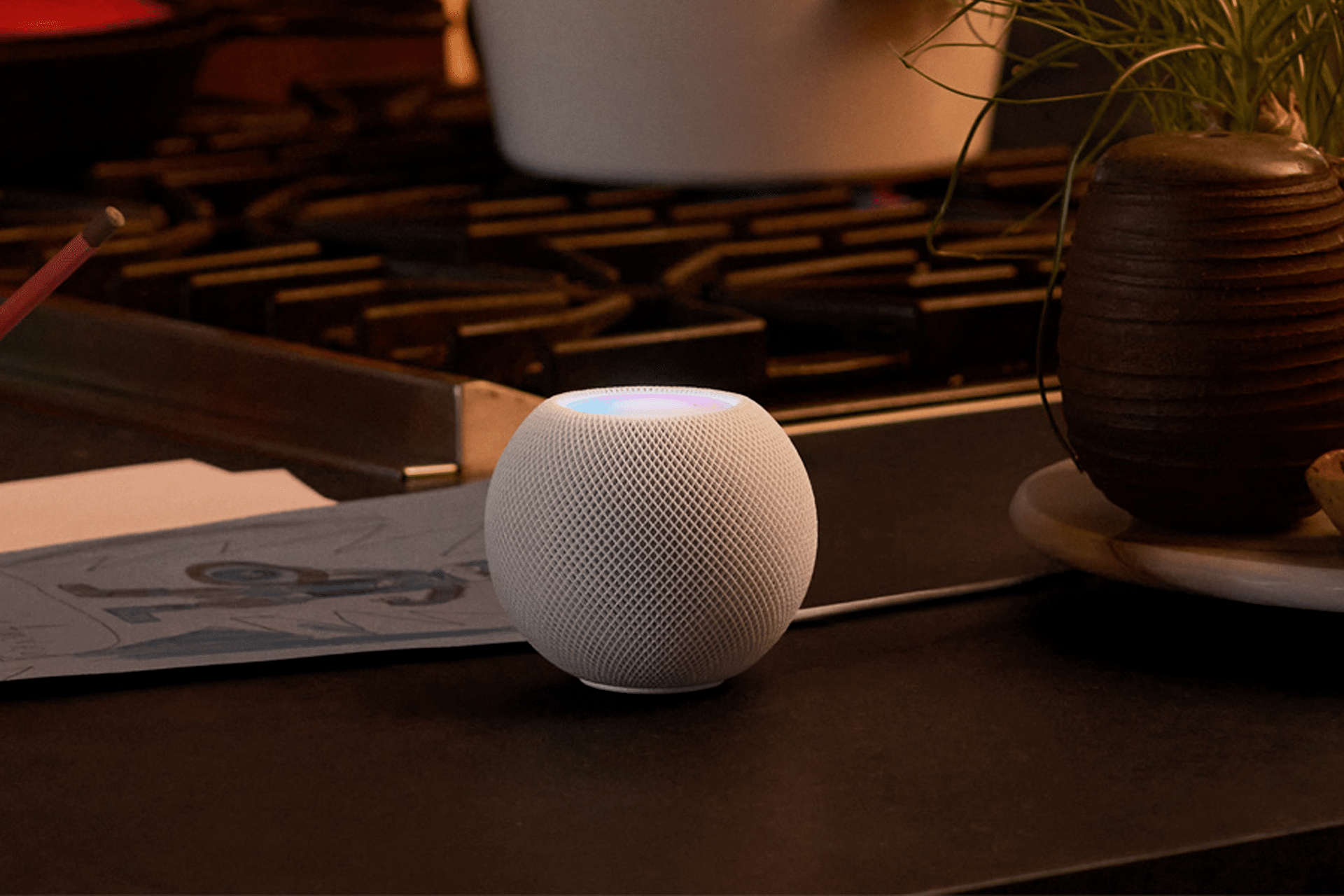
within the Home app, even if they function in their native manufacturer applications. Furthermore, home hubs, such as HomePod and Apple TV devices, are experiencing inconsistent connectivity, leading to unreliable smart home automations that may lag or fail entirely.
The ongoing instability may be linked to Apple‘s continuous efforts to refine the underlying Home app and HomeKit ecosystem architecture. This transition from the original HomeKit framework to a new Apple Home architecture has previously encountered significant challenges. For instance, a major architecture overhaul introduced with iOS 16.2 in was initially problematic, leading Apple to temporarily pull the upgrade option due to widespread reports of devices getting stuck in updating
or configuring
statuses and accessories becoming unresponsive.
While the company later reintroduced the update, this history suggests the complexity involved in maintaining stability during architectural shifts in a diverse smart home landscape. The current issues in iOS 26.3 indicate these refinements are still ongoing, particularly as Home app now requires devices to run recent OS versions across all Apple devices for full ecosystem participation, and the original HomeKit architecture is slated for deprecation in early in favor of the new Apple Home framework.
The persistence of these issues, several months after the initial iOS 26 launch, suggests that some long-standing glitches related to the platform’s architecture remain unresolved. The integration of numerous third-party accessories and Matter devices within the HomeKit ecosystem, combined with the complexity of the architectural transition, may contribute to the perceived instability and inconsistent device communication.
Specific numbers or percentages regarding the total number of affected users or the proportion of HomeKit devices experiencing these issues are not publicly available. There is also no official timeline from Apple for when comprehensive fixes for these reported instabilities might be released in future iOS updates.
Given Apple‘s history of addressing Home app issues through incremental updates, it is anticipated that the company will continue to release fixes and refinements in upcoming point releases, such as iOS 26.4 and beyond, in response to ongoing user feedback. Users with complex smart home setups, or those who have not fully transitioned to the updated Apple Home architecture, may continue to experience inconsistencies.
For users experiencing unresponsive HomeKit or Matter accessories, Apple‘s official support guidance recommends several troubleshooting steps:
- Verify network connectivity and ensure all iPhone, iPad, Mac, Apple TV, or HomePod devices are running the latest software versions.
- Restart unresponsive accessories, home hubs (HomePod, Apple TV), and network equipment (router, modem) by unplugging and re-powering them.
- Check manufacturer-specific apps for firmware updates for individual accessories.
- If problems persist, consider contacting Apple Support for further assistance.
Follow us on Bluesky , LinkedIn , and X to Get Instant Updates