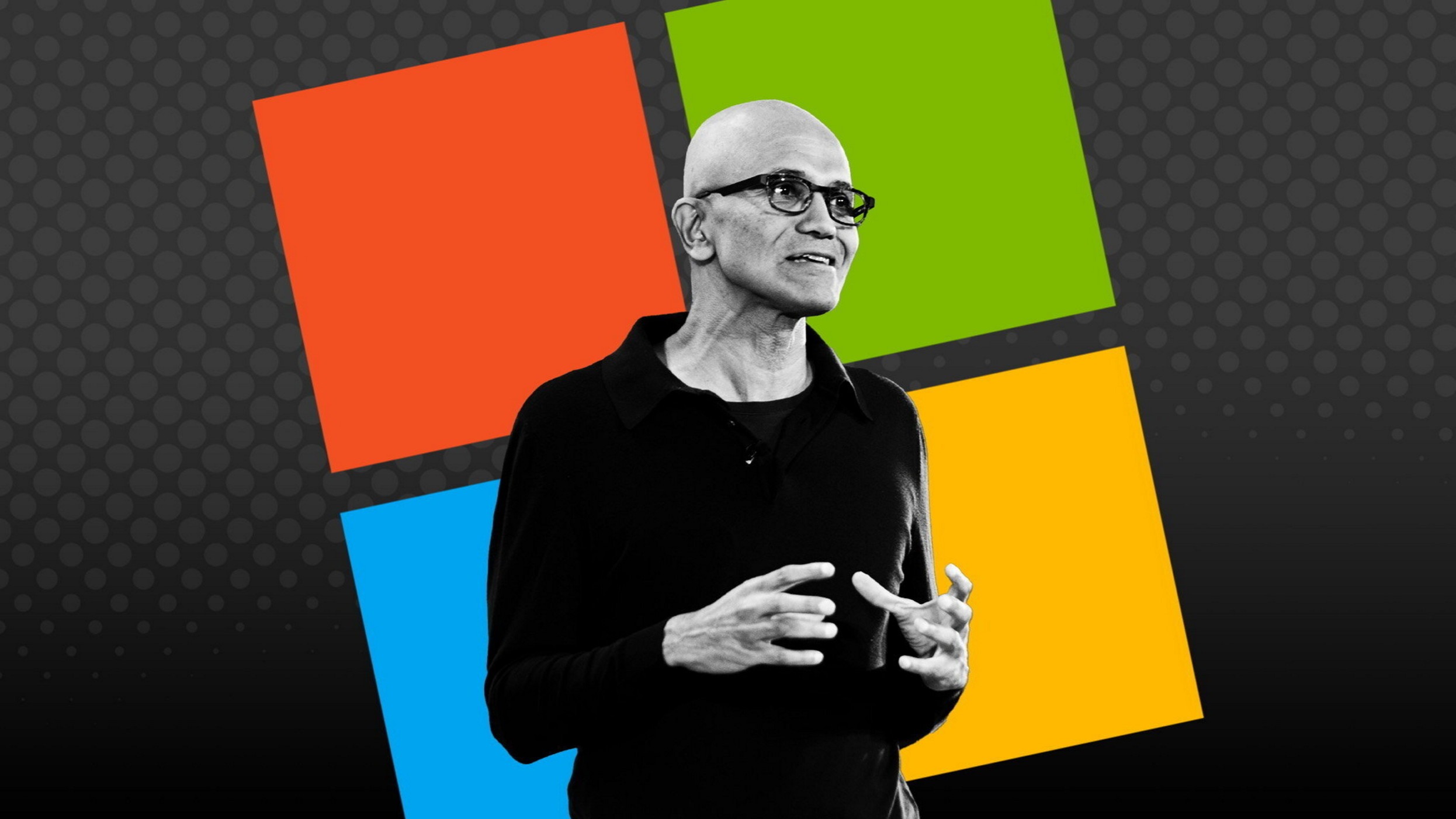
In a series of strategic moves culminating throughout
The leadership changes extend beyond new hires. Nadella has also restructured internal teams, promoting executives such as Judson Althoff to chief executive of Microsoft‘s commercial business and assigning LinkedIn CEO Ryan Roslansky to oversee development of Microsoft 365 applications like Outlook, Word, and Excel, with a mandate to accelerate AI feature deployment. Additionally, Microsoft introduced weekly AI accelerator
meetings in , intentionally excluding senior executives from presenting to gather direct feedback from frontline engineers and foster faster development.
Microsoft‘s strategy reflects a significant financial commitment to AI. The company’s cumulative investment in OpenAI has been reported at approximately $13 billion. A substantial portion of this includes a multi-year $10 billion investment announced in . Following a recapitalization of OpenAI in late AI-related infrastructure spending in the neighborhood of $80 billion. The company’s annualized compute spend is projected to reach nearly $16 billion. This investment supports the integration of AI across Microsoft‘s ecosystem, including its Copilot assistant, which had surpassed 150 million monthly users for Microsoft 365 by . During , AI services contributed 6 points to the 30% growth in Azure and other cloud services revenue.
Satya Nadella‘s leadership reshuffle is driven by a clear mandate to accelerate Microsoft‘s AI development and reduce reliance on external partnerships for core AI innovation. According to CIO Dive, the leadership update shows its intent to supercharge AI
. Dee Templeton, a senior technology leader at Microsoft, characterized Nadella‘s current approach as founder mode
, indicating a hands-on and urgent push for AI integration across all business units. Microsoft aims to move faster and leaner
, shifting from a software-centric business to an intelligence engine
. This strategic evolution comes as other major tech companies like Amazon and Google intensify their own AI development, increasing competitive pressure. Changes in the Microsoft–OpenAI partnership, which will see Microsoft lose exclusive rights to OpenAI‘s data centers and research models by the early , also contribute to Microsoft‘s drive for greater AI self-sufficiency.
Specific details regarding the long-term product roadmap for Microsoft AI beyond current Copilot integrations and Azure services remain largely unannounced. While the establishment of an MAI Superintelligence Team
has been reported, the precise nature of the new AI capabilities or independent models being developed is not yet public.
The restructuring is expected to lead to a more vertically integrated AI ecosystem at Microsoft, spanning hardware, software, and cloud services. The company plans to continue its aggressive investment in AI-capable infrastructure and talent acquisition. This strategic pivot is anticipated to result in faster deployment of new AI features across Microsoft‘s vast product portfolio, from Windows to Office and Azure, as the company aims to solidify its position as a dominant force in the global AI market. The increased focus on proprietary AI development could also lead to new partnerships and collaborations outside of its established relationship with OpenAI.
Individuals and organizations using Microsoft products should monitor official announcements from Microsoft regarding new AI features and integrations. Enterprises should assess how these evolving AI capabilities might impact their IT infrastructure and workforce productivity. Developers should stay informed about new AI tools and platforms offered by Microsoft Azure to leverage the company’s expanding AI ecosystem. Consider exploring the capabilities of Microsoft Copilot and its integration across Azure AI services.
Follow us on Bluesky , LinkedIn , and X to Get Instant Updates