This development comes as internet disruptions have become common across Africa, impacting payment systems, businesses, and access to essential services. The proposed project aims to provide Nigeria with an additional critical pathway to the global internet, thereby reducing its vulnerability to outages that can incur significant economic costs.
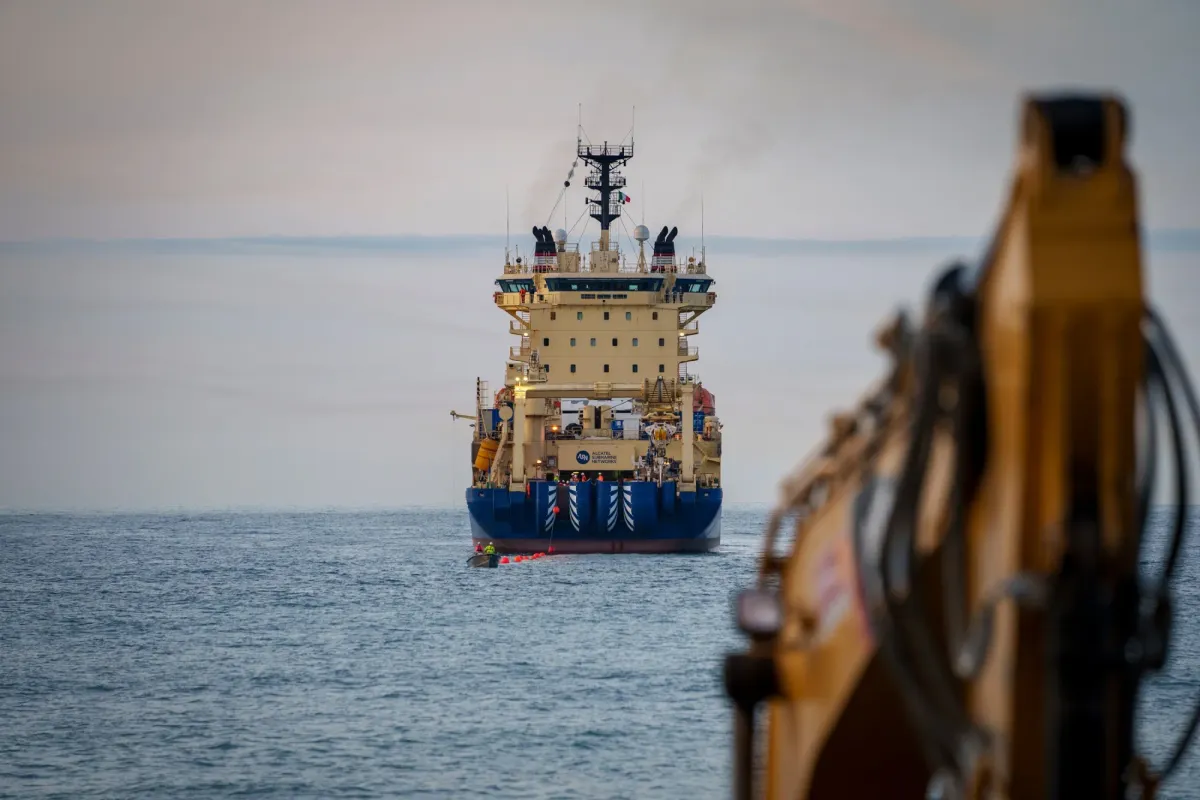
Separately, Meta announced the completion of the core of its extensive 2Africa subsea cable system . This system, described as the largest in the world, connects East and West Africa to Europe, the Middle East, and South Asia. It spans three continents, makes landings in 33 countries, and is engineered to serve over 3 billion people, including more than 1.4 billion in Africa. The West African route alone extends from England to South Africa, passing through countries like Senegal, Ghana, Côte d’Ivoire, Nigeria, Gabon, Congo, DRC, and Angola. The cable boasts a technical capacity of 21 terabits per second per fibre pair and features eight fibre pairs on its main trunk.
The discussions with Google are part of a wider push by Nigeria to attract investment into critical digital infrastructure, including cloud computing, data centers, and high-capacity networks, according to sources familiar with the matter. These investments are crucial for supporting various sectors, from fintech to artificial intelligence startups. Google previously outlined plans in for four new infrastructure hubs in Africa to connect its latest underwater fiber-optic systems and expand internet access. Nigeria is also investing significantly in its domestic infrastructure, with the federal government committing $2 billion through a partnership with the World Bank to lay 90,000 kilometers of fiber infrastructure nationwide.
The impetus for these infrastructure projects stems from the critical need to address unstable connectivity across Africa. Internet disruptions, caused by factors ranging from accidental cable cuts to deliberate vandalism, pose a significant bottleneck for innovation, investment, and access to emerging technologies such as artificial intelligence. According to the International Telecommunications Union (ITU), between 150 and 200 cable cuts occur globally each year, disrupting telecommunications and financial systems. This highlights the necessity for multiple routes and redundant cable systems to ensure economic resilience and digital sovereignty.
Specific financial details regarding the proposed Google subsea cable project in Nigeria, including the exact investment amount or a definitive timeline for its completion, have not been disclosed. The number of additional jobs or direct economic benefits expected from this particular project also remains unstated in the available information.
Should the deal between Nigeria and Google progress, it is expected to significantly strengthen Nigeria’s connectivity and enhance its competitiveness in the global digital economy. The increased capacity and redundancy offered by a new subsea cable would likely reduce the frequency and impact of internet outages for millions of users and businesses across the country. This strategic investment is anticipated to further position Africa’s largest economy for future growth in the digital sector, supporting its burgeoning tech scene and fostering innovation. The ongoing discussions signify a continued trend of major tech companies investing in African digital infrastructure.
Follow us on Bluesky , LinkedIn , and X to Get Instant Updates