
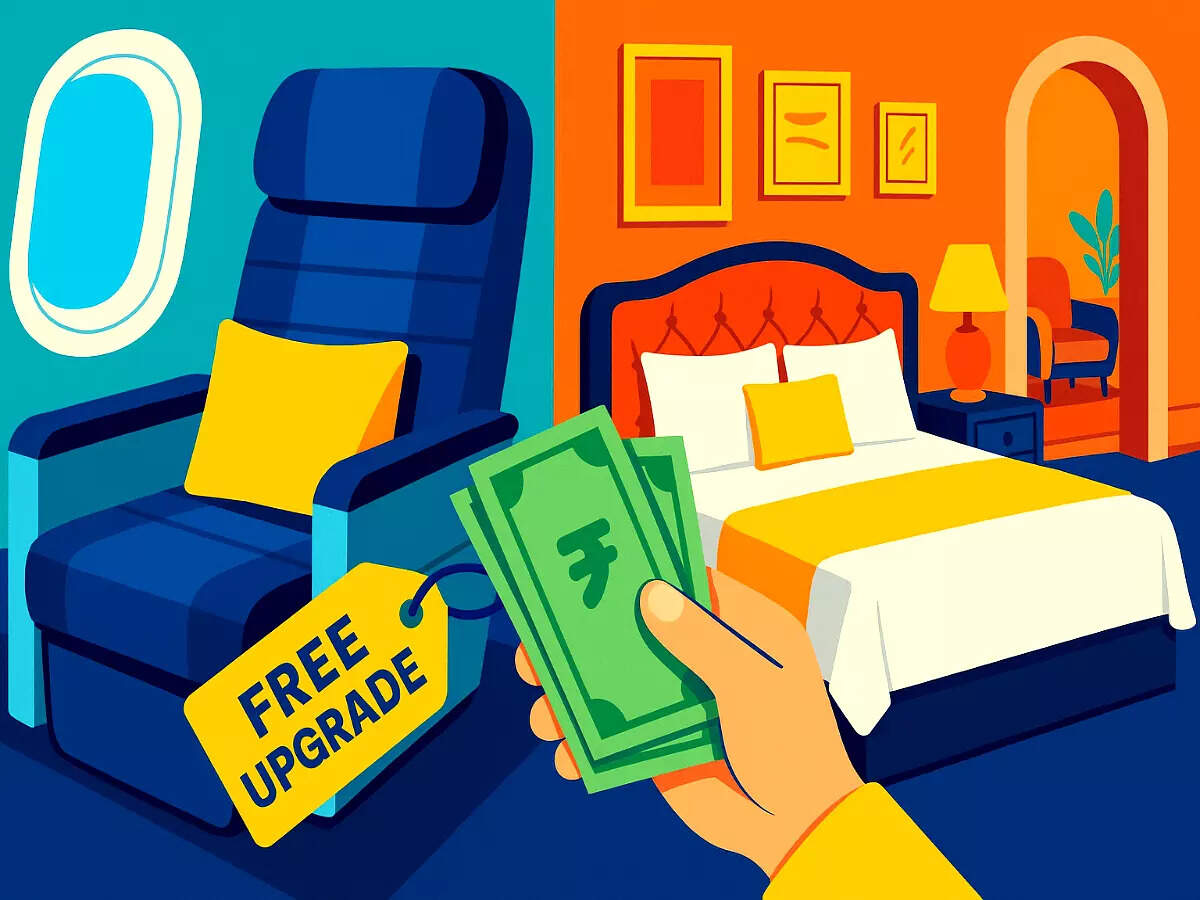
Talreja argues that the cost of an upgrade is often less than the value it generates for the company. “To them, a suite costs less than giving free breakfast,” he writes. The psychological impact is profound: a single upgrade can create years of loyalty, encouraging customers to return, book the same brand, and spend more.
Premchand Chandrasekharan, partner at Avalon Consulting, echoes this sentiment, emphasizing that upgrades are deliberate, data-driven strategies rooted in consumer psychology. An unexpected upgrade triggers a strong reciprocity effect, motivating customers to repeat purchases and promote the brand.
Why Airlines Offer Upgrades
Airlines often upgrade passengers to fill empty business class seats, freeing up cheaper economy seats for last-minute sales. As Talreja points out, premium seats cost almost nothing extra to serve. “When a Business Class seat or hotel suite goes unsold, its value becomes zero the moment the flight departs or the night passes,” he explains.
Chandrasekharan notes that upgrades are among the most cost-efficient loyalty tools, often outperforming traditional marketing tactics. A customer experiencing business class is far more likely to consider paying for it in the future.
The allure of upgrades extends beyond personal comfort. Social media plays a crucial role. “Your flex = their marketing,” Talreja writes. Passengers posting photos from business class windows or luxury suites provide free advertising for the brand, fueling content that attracts new customers.
For customers, the benefits are comfort and a sense of being valued. For hotels and airlines, it’s invaluable . “The experience becomes memorable and shareable on social media, strengthening the brand’s equity,” Chandrasekharan says.
Not everyone is equally likely to receive an upgrade. Talreja suggests that brands often prioritize guests who seem “valuable.” These include:
- Business travelers
- Elite members
- High spenders
- Well-presented guests
Chandrasekharan adds that loyal customers are prime targets, considering factors like consistent brand selection, elite loyalty tier status, off-peak travel, and positive engagement history.
Hotel Upgrade Priorities
Similarly, hotels tend to upgrade guests who:
- Look loyal
- Book direct
- Review often
- Travel frequently
Chandrasekharan emphasizes that offering upgrades is also a competitive necessity. “If brands ceased offering upgrades, they could lose a lever for emotional differentiation, and the competition could continue to offer these benefits to attract customers,” he explains.
So, how can you increase your chances of getting an upgrade? Talreja suggests that timing is crucial. For flights, aim for check-in when business class isn’t full. For hotels, check in during the evening when unsold suites are confirmed.
Furthermore, politeness and confidence can make a significant difference. A friendly demeanor can go a long way in swaying the odds in your favor.
The next time you find yourself enjoying unexpected luxury on a flight or at a hotel, remember that it’s part of a calculated strategy. While you savor the experience, the travel industry is busy turning that moment into long-term loyalty and brand advocacy, proving that sometimes, the best things in life aren’t really free—they’re simply a smart investment in you.
Follow us on Bluesky , LinkedIn , and X to Get Instant Updates