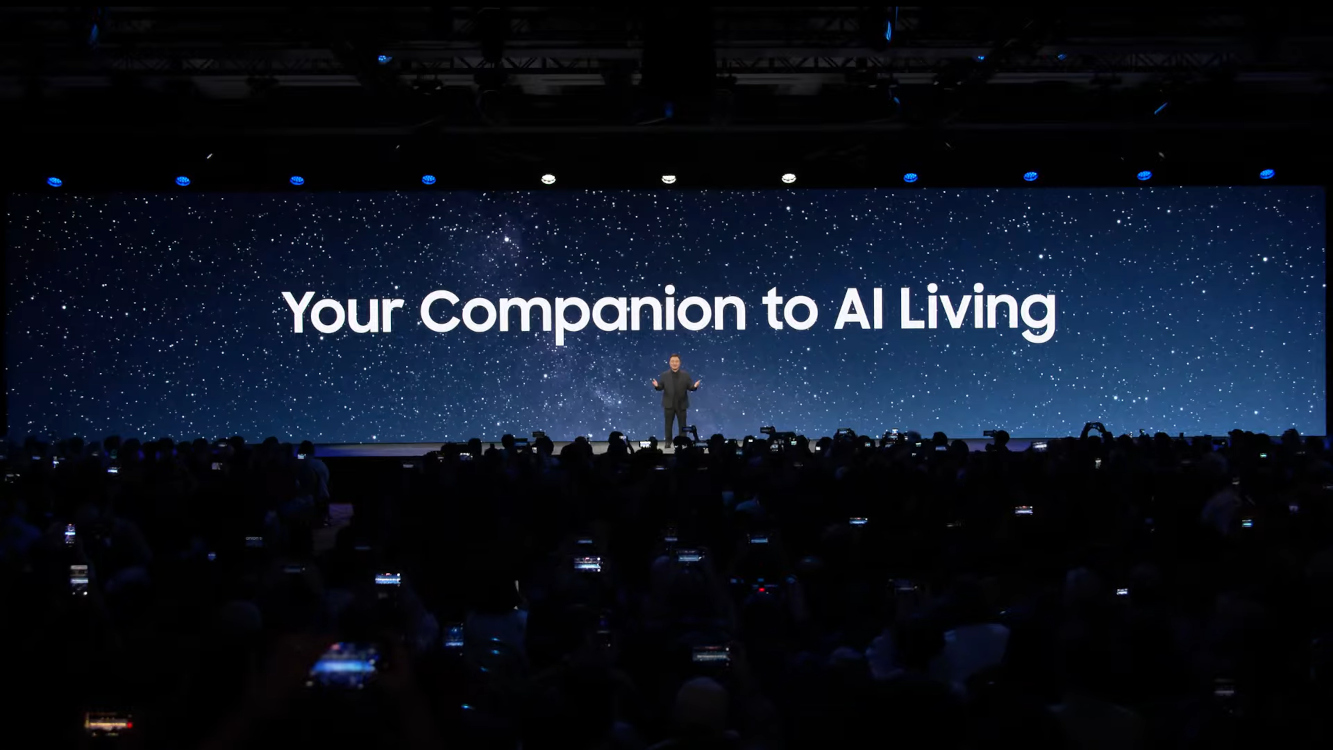
Samsung announced a strategic shift at , moving its focus from hardware specifications to AI-powered software platforms that evolve over a device’s lifespan. This pivot, detailed during the event, positions the company as a platform provider rather than solely a hardware manufacturer, aiming to deliver continuous improvements through software updates and integrated AI capabilities. The announcement includes a commitment to a seven-year upgrade guarantee for operating system and security updates for consumer displays, a benchmark that exceeds current regulatory requirements.
At , Samsung declared an end to an era where digital signage projects were primarily defined by panel size, resolution, and brightness. The company, alongside LG and other display manufacturers, historically operated on a business model centered on producing and shipping display panels. Having entirely exited LCD panel production, which is now dominated by companies like Hisense and BOE, Samsung is now prioritizing long-term software evolution and AI-driven functionality in its display strategy. Samsung has committed to providing seven years of operating system and security updates for its Android-based smartphones, and this guarantee is now being extended to consumer displays, with potential implications for its digital signage offerings.
Samsung’s new strategy redefines value, asserting that the display itself is no longer the primary product, but rather the underlying platform. The company’s vision involves buyers trusting a platform that improves continuously, powered by a constantly updated operating system (Tizen OS), integrated IT and device security (Knox), IoT ecosystem connectivity via SmartThings, and evolving AI capabilities. This approach aims to transform devices from static hardware into dynamic platforms that adapt to user needs and environments over time. The shift is particularly significant for sectors like digital signage, where hardware refresh cycles often span three to five years.
While Samsung has moved away from LCD production, it continues to invest in MicroLED technology, particularly with its The Wall
series in the B2B market. MicroLED offers Samsung a competitive advantage where Chinese suppliers currently face challenges in matching ecosystem, service, and software maturity. When combined with AI-driven image processing and software features delivered over time, MicroLED becomes a long-term platform investment for Samsung customers, moving beyond mere hardware differentiation.
The announcement of a seven-year upgrade guarantee for operating system and security updates for consumer displays sets a new benchmark in the industry. This commitment surpasses existing EU regulations, which, since , require smartphone manufacturers to provide at least five years of updates after a device’s last official sale. For professional AV and digital signage buyers, this extended support is presented as a critical factor for compliance, security, and operational stability. Samsung’s consumer strategy has clear implications for its B2B displays, which increasingly share the same operating system, security framework, user interface philosophy, device management, and on-device AI capabilities, benefiting from economies of scale as Samsung ships approximately 500 million devices per year.
According to S. Yong, Global Head of Visual Displays at Samsung, Screens are more than displays.
Samsung’s new smart screens are engineered to adapt to usage patterns and environments, anticipate user needs, and transform the experience in real time using AI. Samsung emphasized that its AI ecosystem is built on the highest ethical standards,
Specific details regarding the implementation timeline for the seven-year update guarantee on B2B digital signage products were not explicitly provided. The exact pricing models for these evolving software platforms and AI services in the B2B sector remain unannounced. Benchmarks for how the evolving AI capabilities will translate into measurable performance improvements for commercial clients are also not yet available.
The implications for the professional AV and digital signage industry are significant. The focus of differentiation is shifting from hardware specifications to long-term software evolution, AI capabilities, remote management, and security at scale. Competitors, independent software vendors (ISVs), and integrators may need to adapt their strategies to emphasize trusted, long-term platform relationships, potentially through ecosystem partnerships, to compete with this new benchmark set by Samsung.
1. Evaluate Long-Term Support: When considering new display investments, inquire about the manufacturer’s commitment to software and security updates over the device’s expected lifespan.
- Assess Platform Capabilities: Look beyond initial hardware specifications to understand the potential for continuous improvement and new feature delivery through software updates and AI.
- Prioritize Ecosystem Integration: Consider how new display solutions integrate with existing IT infrastructure, security frameworks, and IoT ecosystems for seamless management and functionality.
- Demand Ethical AI Practices: For public-facing screens and enterprise environments, verify that AI platforms adhere to stated ethical standards and privacy policies.
- Monitor Industry Benchmarks: Stay informed about evolving industry standards for software support and AI integration in digital signage and consumer electronics.
Follow us on Bluesky , LinkedIn , and X to Get Instant Updates