+1.02%
+1.52%
+4.81%
+1.52%
+0.95%
+1.94%
Coinbase is making a bold play for “everything app” status, a move that could reshape the crypto landscape. This week, the exchange giant unveiled plans to integrate Solana decentralized exchange (DEX) trading and launch prediction markets, signaling a direct challenge to competitors like Robinhood, MetaMask, Kalshi, and Polymarket. This strategic shift aims to provide users with a comprehensive suite of services within a single platform, streamlining their crypto experience.
The moves are designed to broaden Coinbase’s appeal and capture a larger slice of the increasingly competitive crypto market. The crypto exchange market is saturated with options, ranging from centralized giants like Binance and Kraken to decentralized alternatives. By offering a wider array of services, Coinbase hopes to attract and retain users who might otherwise use multiple platforms. Can Coinbase successfully navigate the regulatory hurdles and technical complexities of such a sweeping expansion? This question looms large as the company ventures into new and often uncharted territory.
Coinbase is betting big on two key areas: decentralized trading and prediction markets. The Solana integration offers users direct access to a vast universe of tokens previously unavailable on the platform. Solana, a high-performance blockchain known for its speed and low transaction costs, hosts a thriving ecosystem of decentralized applications (dApps) and tokens. Integrating Solana DEX trading means Coinbase users can now trade Solana-based tokens directly from their Coinbase accounts, accessing liquidity pools and projects that were previously inaccessible without using a separate wallet and DEX. This integration builds upon Coinbase’s existing efforts to expand its offerings beyond traditional cryptocurrency trading.
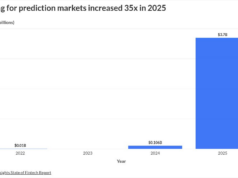
The prediction markets initiative aims to tap into a potentially lucrative new revenue stream. Prediction markets, also known as event contracts, allow users to bet on the outcome of future events, ranging from political elections to sports games to economic indicators. Platforms like Kalshi and Polymarket have gained traction in this space, offering users a way to profit from their knowledge and insights. Macquarie analyst Chad Beynon projects the U.S. prediction markets industry could reach $5 billion in annual volume, split between $4.4 billion in sports-only contracts and $600 million in non-sports derivatives.
Coinbase plans to showcase its new offerings at an event on December 17, though details remain scarce. The company has joined the Coalition for Prediction Markets alongside Kalshi, Crypto.com, Robinhood, and Underdog, signaling its commitment to shaping the regulatory landscape of this emerging industry. This coalition reflects a growing awareness of the need for clear and consistent regulations in the prediction market space, especially as these platforms face increasing scrutiny from state gambling regulators and the American Gaming Association. Sara Slane, Kalshi’s head of corporate development and a coalition executive, emphasized the regulatory focus: “We spent years working with the CFTC because prediction markets must operate with strong federal safeguards that prevent insider trading, protect consumers, and ensure these markets remain transparent and corruption-free.”
Coinbase’s ambitious expansion plans represent a significant bet on the future of crypto. The company is banking on the idea that users prefer the convenience of a consolidated platform over the specialization of individual services. Instead of juggling multiple accounts across different exchanges, wallets, and prediction market platforms, users could potentially manage all their crypto activities within the Coinbase ecosystem. This approach aligns with the broader trend of platform consolidation seen in other industries, where companies strive to become one-stop shops for their customers’ needs.
The Solana integration represents a fundamental shift in how centralized exchanges operate. The platform’s new decentralized exchange feature routes trades directly to on-chain liquidity pools, eliminating weeks-long review processes that have historically limited which projects could reach mainstream investors. Previously, centralized exchanges like Coinbase had strict listing requirements, meaning only a select few tokens were available for trading. By integrating a DEX, Coinbase is effectively opening its platform to a much wider range of assets, giving users access to a long tail of emerging projects and tokens.
Whether Coinbase can successfully navigate the regulatory complexities and technical challenges of becoming an “everything app” remains to be seen. The regulatory landscape for crypto is constantly evolving, and Coinbase will need to work closely with regulators to ensure its new offerings comply with all applicable laws and regulations. For example, prediction markets face increasing pressure from state gambling regulators and the American Gaming Association, which argues that event contracts circumvent established gambling laws.
Technically, integrating a DEX and launching prediction markets requires significant engineering resources and expertise. Coinbase will need to ensure its platform is secure, reliable, and user-friendly, even as it adds new and complex features. The success of Coinbase’s “everything app” strategy will depend on its ability to overcome these challenges and deliver a seamless and compelling user experience.
But one thing is clear: the race to dominate the crypto landscape is heating up, and Coinbase is determined to be a frontrunner. By expanding its offerings into decentralized trading and prediction markets, Coinbase is positioning itself as a major player in the future of crypto.
Follow us on Bluesky , LinkedIn , and X to Get Instant Updates