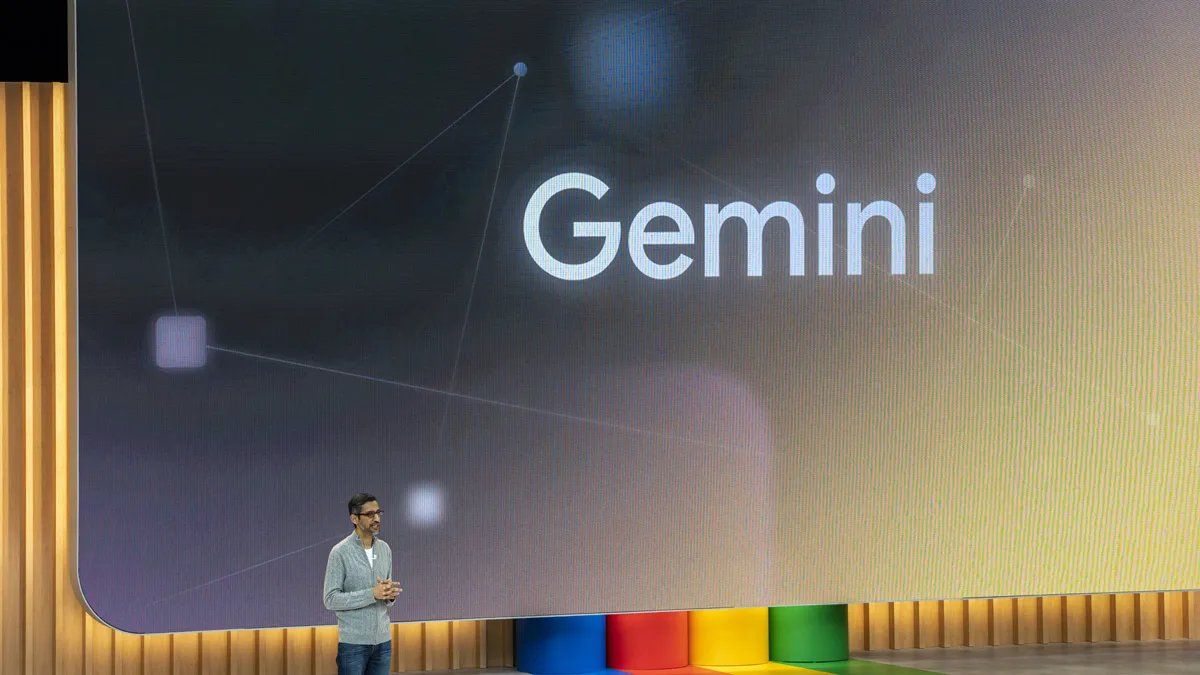
Google has informed advertising clients that ads will appear in its Gemini AI chatbot by 2026, marking the end of the ad-free AI assistant era. The move follows similar monetization experiments across AI Mode in Google Search and signals that Big Tech’s AI subsidy period is officially over.
The Death of Clean AI Interfaces
For three years, Gemini operated ad-free, positioning itself as an alternative to Google’s traditional ad-saturated search experience. That changes in 2026, when Google begins inserting sponsored content directly into chatbot conversations, separate from the ads already appearing in AI Mode (Google’s AI-enhanced search).
| AI Assistant | Current Ad Status | Ad Format | Revenue Model |
|---|---|---|---|
| Google Gemini | Coming 2026 | Native sponsored content (details TBD) | Ads + subscription hybrid |
| ChatGPT (OpenAI) | Beta code detected | “Bazaar content,” search ads carousel | Subscription + planned ads |
| Perplexity | Paused October 2025 | Sponsored results (temporarily stopped) | Partnerships + delayed ad rollout |
| Claude (Anthropic) | No ads | N/A | Subscription only |
| Meta AI | No ads (yet) | N/A | Free (subsidized by other Meta products) |
Why Now? The Economics Are Brutal
AI inference costs dwarf traditional search. While a Google search might cost fractions of a cent, a complex Gemini conversation can consume 10-100x more compute. Even OpenAI admits its $200/month ChatGPT Pro plan loses money per user.
The Cost Crisis
- Compute expenses: Running multimodal models (text, image, audio) burns GPU cycles at unprecedented rates
- User growth: Gemini’s 350 million monthly users (as of March 2025) create unsustainable subsidy pressure
- Subscription limits: Only a fraction of users convert to paid tiers (estimated 3-5% industry-wide)
- Revenue slowdown: Alphabet reported its slowest revenue growth since 2023 in Q4 2024
Google CEO Sundar Pichai acknowledged the challenge directly: We do have very good ideas for native ad concepts
but will lead with the user experience,/q> to avoid alienating early adopters.
What Gemini Ads Will Look Like
Details remain scarce, but early signals suggest Google learned from AI Mode experiments:
Likely Implementation
- Placement: Ads appear at the bottom of AI-generated responses (not mid-conversation interruptions)
- Labeling: Clear “Sponsored” tags to distinguish from organic content
- Relevance: Contextual targeting based on conversation topics (similar to current search ads)
- Format: Text-based sponsored links initially, potentially expanding to richer media later
What They Won’t Be (At Launch)
- Mid-conversation pop-ups or interruptions
- Video ads within text responses
- Personalized targeting based on intimate chatbot conversations (initially)
Google VP Robbie Stein emphasized that Gemini ads are “separate from advertisements in AI Mode,” suggesting distinct ad products for each surface.
AI Mode Already Has Ads, Here’s How They Work
Since October 2024, Google’s AI Mode (the AI-enhanced search experience) displays sponsored results. When users ask questions, Google generates an AI summary, then appends clearly marked “Sponsored” links.
Current AI Mode Ad Performance
User query: "Best running shoes for marathon training"
AI Overview: [Generated summary about shoe features]
Sponsored Results: [3-4 advertiser links at bottom]

Monetization rate: ~Same as traditional Google Search
Click-through rate: [Not publicly disclosed]
Advertiser feedback: Mixed (concerns about automated campaigns)
Google CBO Philipp Schindler confirmed AI Mode ads monetize “at approximately the same rate” as traditional search ads—validating the model before expanding to standalone Gemini.
The Bigger Picture: Search Is Collapsing
Google’s aggressive AI monetization timeline reveals more than financial pressure, it signals existential worry about traditional search. Users increasingly bypass search results pages entirely, expecting AI to synthesize answers directly.
Why This Is Different From Past Monetization
| Factor | Traditional Search Ads | AI Chatbot Ads |
|---|---|---|
| User Intent | Active search, expecting ads | Conversational, expecting assistance |
| Data Shared | Search queries (transactional) | Personal details, preferences, problems |
| Trust Dynamic | Tool providing results | “Friend” offering advice |
| Frequency | Single query per session | Multi-turn conversations revealing context |
Users share significantly more intimate information with chatbots than search bars, raising ethical questions about leveraging that trust for advertising. The FTC and European regulators are already scrutinizing AI data practices.
OpenAI Is Right Behind Google
ChatGPT’s latest Android beta (version 1.2025.329) contains dozens of ad-related code strings, including “search ad,” “search ads carousel,” and “bazaar content.” Software engineer Tibor Blaho flagged the discovery, confirming OpenAI is actively building ad infrastructure.
OpenAI’s Mixed Messaging
- CEO Sam Altman (2023): Called ads “unsettling” and a “last resort”
- CFO Sarah Friar (December 2024): “Exploring ad model” but “no active plans”
- Altman (2025): “Not totally against” ads, expects to “try at some point”
Actions speak louder: OpenAI hired hundreds of ex-Meta advertising executives (Meta’s ad business generated $130 billion in 2023) and posted ad-related job listings throughout 2025. The company reportedly considers personalized ads based on ChatGPT’s memory of user interactions.
Perplexity Paused Ads After Backlash
Perplexity launched sponsored results in 2024 but paused them in October 2025 following user complaints. Instead of direct monetization, Perplexity pivoted to partnerships—like its $400 million deal to power Snapchat search.
Why Perplexity’s Ad Strategy Failed
- User expectations: Positioned as “answer engine” with citations, not ad platform
- Brand identity: Advertised accuracy and transparency—ads undermined trust
- Competitive pressure: ChatGPT and Gemini were still ad-free, making ads feel premature
Perplexity’s CEO stated they would “rethink” the ad approach, but the company’s need for revenue remains. Expect ads to return in a different format by late 2026.
The Ad-Free AI Subscription Wars Begin
As ads infiltrate free AI tiers, paid subscriptions become the only escape route. This mirrors streaming’s evolution: Netflix was ad-free, now offers ad-supported tiers alongside premium plans.
Current Subscription Landscape
| Service | Free Tier | Paid Tier | Price | Ad-Free Guarantee? |
|---|---|---|---|---|
| ChatGPT | GPT-4o mini (ads coming) | Plus: GPT-5, unlimited | $20/month | Not confirmed |
| Gemini | Standard (ads 2026) | Advanced: Gemini 2.0 Pro | $19.99/month | Not confirmed |
| Claude | Claude Sonnet 4.5 | Pro: Extended usage | $20/month | Yes (no ad plans) |
| Perplexity | Basic (ads paused) | Pro: 300+ searches/day | $20/month | TBD |
Neither Google nor OpenAI has explicitly promised ad-free paid tiers. If ads infiltrate premium subscriptions (like YouTube Premium’s “limited ads” rollout), expect mass cancellations.
Regulatory and Privacy Landmines
AI ads raise unprecedented privacy concerns because of the intimate data users share with chatbots:
What Regulators Are Watching
- Informed consent: Do users know their conversations train ad targeting?
- Data retention: How long are chat histories stored for ad purposes?
- Manipulation risk: Can AI “recommend” products while pretending to give neutral advice?
- Sensitive topics: Will ads appear in mental health, medical, or financial conversations?
The EU’s Digital Services Act and AI Act already mandate transparency for algorithmic recommendations. AI ad targeting could trigger GDPR violations if users aren’t explicitly informed about data usage.
Who Benefits? Who Loses?
Winners
- Google/OpenAI shareholders: Ads unlock AI unit profitability (eventually)
- Enterprise advertisers: New high-intent placement opportunities
- Anthropic (Claude): Differentiation as the “no-ads” premium option
Losers
- Early AI adopters: Watched ad-free tools morph into monetization platforms
- Trust in AI assistants: Blurred line between helpful advice and paid promotion
- Smaller AI startups: Can’t compete with Google’s $75 billion AI investment + ad infrastructure
What Users Can Do Now
If You Want to Avoid Ads
- Switch to Claude: Currently the only major AI with explicit no-ads commitment
- Use open-source alternatives: Self-hosted models via LM Studio, Ollama (zero cloud dependency)
- Wait for confirmation: Paid tiers might stay ad-free—demand clarity before subscribing
If You Don’t Mind Ads (But Want Control)
- Monitor privacy settings: Disable personalized ads where possible
- Clear chat history regularly: Reduces data available for targeting
- Use separate accounts: Work vs. personal conversations in different profiles
The Industry’s Reckoning
Google’s 2026 timeline proves the AI gold rush has consequences. Companies burned billions subsidizing free AI access, betting users would convert to paid tiers. That bet failed—now ads are the fallback.
What Happens Next
- 2026 Q1: Gemini ads launch in limited markets, user backlash begins
- 2026 Q2: ChatGPT follows with its own ad rollout (likely more aggressive)
- 2026 Q3: Regulatory challenges emerge as EU/UK investigate data usage
- 2027: Paid tiers introduce “premium ad-free” upsells at $30-40/month
The ad-free AI era lasted exactly three years—from ChatGPT’s November 2022 launch to Google’s 2026 monetization deadline. That’s faster than any platform in history.
The Uncomfortable Truth
AI companies sold users on personal assistants that understand context, remember preferences, and act like trusted advisors. Now those same companies will monetize that trust by inserting sponsored recommendations into conversations.
When your AI suggests a product, you won’t know if it’s genuinely helpful or because someone paid for placement. That’s not a bug—it’s the business model.
The real question isn’t whether ads are coming (they are). It’s whether users will tolerate them, or flee to whatever ad-free alternative emerges next. Because in tech, there’s always a next.