Huawei‘s unveiling of the Mate 80 series smartphones, powered by the all-new Kirin 9030 processor, signals a bold move in the competitive Chinese premium handset market. This launch demonstrates Huawei‘s commitment to vertically integrated hardware, software, and chip design.
In a market often characterized by minor upgrades, Huawei aims to deliver a truly differentiated experience. The question is whether this new hardware and software ecosystem, designed to minimize reliance on Western technology, can propel the company back to the forefront of the industry.
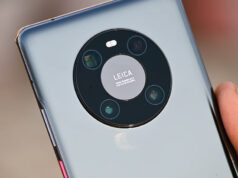
The Mate series has consistently served as Huawei’s technological showcase, and the Mate 80 continues this tradition. The phones include standard improvements such as a higher clarity display and advanced imaging system. Huawei is also highlighting features like an “outdoor expedition mode” and “offline emergency communication,” targeting users who value resilience and connectivity in diverse conditions.
While core specifications are important, the most significant aspects are the Kirin 9030 processor and HarmonyOS 6. The Kirin 9030 represents a substantial advancement in Huawei’s processor technology, while HarmonyOS 6 aims to strengthen the company’s independent ecosystem.
Details about the Kirin 9030 are still emerging, but Huawei is emphasizing significant performance improvements. According to Richard Yu, Huawei’s executive director, the Mate 80 Pro Max, Mate 80 RS, and the foldable Mate X7 show performance gains of over 40% compared to previous generations.
If validated by independent benchmarks, this performance boost would establish the Kirin 9030 as a strong competitor in the mobile processor market. The crucial factors might be energy efficiency and AI capabilities. These elements are becoming increasingly important differentiators in modern smartphones.
Huawei’s ambitions extend beyond hardware. Their sales recovery depends on the growth of HarmonyOS, a self-developed operating system designed to reduce reliance on Android. Huawei reports that they and their partners have developed around 300,000 apps and services for the platform over the past year.
Yu stated that More than 27 million devices now run HarmonyOS 5 or 6, with the installed base expanding 100,000 units each day.
These figures suggest a growing user base and rising developer interest, both essential for the long-term viability of HarmonyOS.
The launch of the Mate 80 series represents more than just a product release. It serves as a test of Huawei’s resilience and innovation. The company is prioritizing self-sufficiency and innovation in the face of geopolitical headwinds. Whether this strategy will succeed remains to be seen.
Huawei’s ability to design and manufacture cutting-edge hardware, combined with the expansion of HarmonyOS, will be crucial in determining whether they can reclaim their position as a leading player in the global smartphone market. The company is clearly charting its own course and Huawei is not backing down.