Microsoft’s CEO Satya Nadella has internally criticized the company’s own AI assistant, stating that key integrations for Copilot don’t really work
and are not smart,
according to internal communications. The criticism comes as Microsoft navigates a series of challenges with its AI strategy, including user backlash over forced installations, platform discontinuations, and persistent data privacy concerns in educational settings.
In recent internal emails, CEO Satya Nadella expressed significant dissatisfaction with the consumer version of Microsoft’s AI assistant. He specifically targeted integrations connecting Copilot with Gmail and Outlook, asserting they are largely non-functional. The CEO has reportedly taken a more hands-on role, now conducting weekly meetings with top engineers and sending bug reports directly to product teams. This follows a September 2025 organizational restructuring aimed at accelerating AI product development.
This internal pressure coincides with external platform challenges. Microsoft announced that Copilot will no longer be available on WhatsApp or other messaging apps, a change prompted by updated platform policies from Meta that prohibit LLM chatbots. The service on these platforms will cease to function after , forcing users onto Microsoft’s native applications.
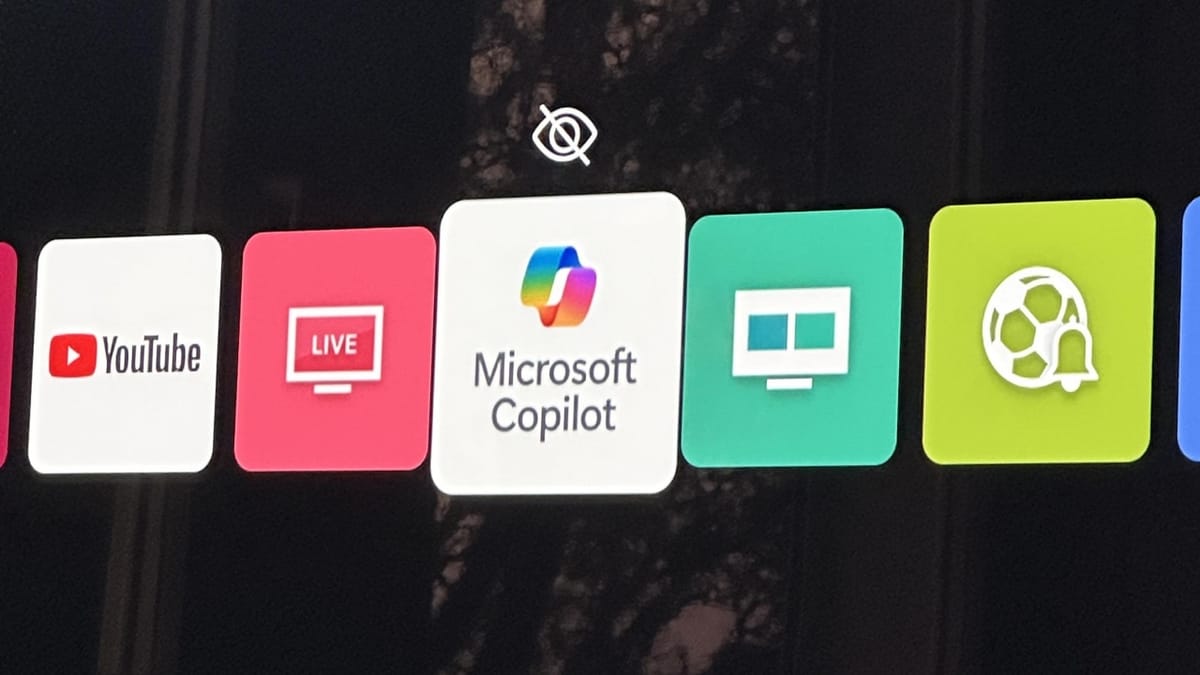
The push to integrate Microsoft Copilot across various platforms has met with mixed results. Recently, LG TV owners reported the Copilot icon appeared on their devices following a webOS update, with no option to remove it. An LG representative clarified the icon is a shortcut to the web app and not a deeply embedded service, but could not provide a definitive timing
for when users might be able to delete it.
In the education sector, Dutch IT cooperative SURF announced it has downgraded two of four high privacy risks associated with Microsoft 365 Copilot to medium. While SURF no longer advises against its use entirely, it recommends that educational institutions adopt a cautious approach
and carefully weigh the remaining risks. This follows extensive negotiations between SURF, the Dutch government, and Microsoft to address data protection concerns.
The struggles with productivity integrations may be rooted in the technology’s current limitations. Research from Carnegie Mellon University found that AI agents fail to complete real-world office tasks 70% of the time, suggesting that subscriptions are not yet delivering on the promise of being effective “digital workers.” This performance gap puts pressure on Microsoft to justify its significant investments in AI infrastructure, especially with competitive threats from Google’s Gemini.
There is a notable disparity between Copilot’s performance in different applications. While productivity tools falter, Microsoft’s search and news advertising revenue climbed 21% in the most recent quarter. This suggests the underlying AI technology performs better in structured advertising contexts than in the complex, nuanced environment of knowledge work.
It remains unclear when, or if, LG will provide users with an option to remove the forcibly installed Copilot shortcut from their televisions. Furthermore, Microsoft has not detailed any specific plans for compensating or providing refunds to enterprise customers who find the Copilot for Office 365 integrations do not meet their productivity needs as advertised.
Following the discontinuation on messaging apps, Microsoft will likely focus on driving user adoption to its dedicated Copilot mobile app, website, and desktop applications. In the Netherlands, educational institutions must now develop comprehensive AI usage policies to manage the remaining privacy risks before widespread deployment. Nadella’s direct involvement suggests an accelerated pace of product updates and bug fixes for core Office integrations is expected.
Users impacted by these developments can take several steps. Former Copilot on WhatsApp users should transition to the official Copilot app or web-based services before the January deadline. LG TV owners can monitor for future webOS software updates that may change how the Copilot shortcut is managed. Organizations, particularly in education, should review the updated Data Protection Impact Assessment from SURF and establish clear internal guidelines before deploying Copilot.
Follow us on Bluesky , LinkedIn , and X to Get Instant Updates