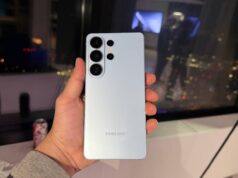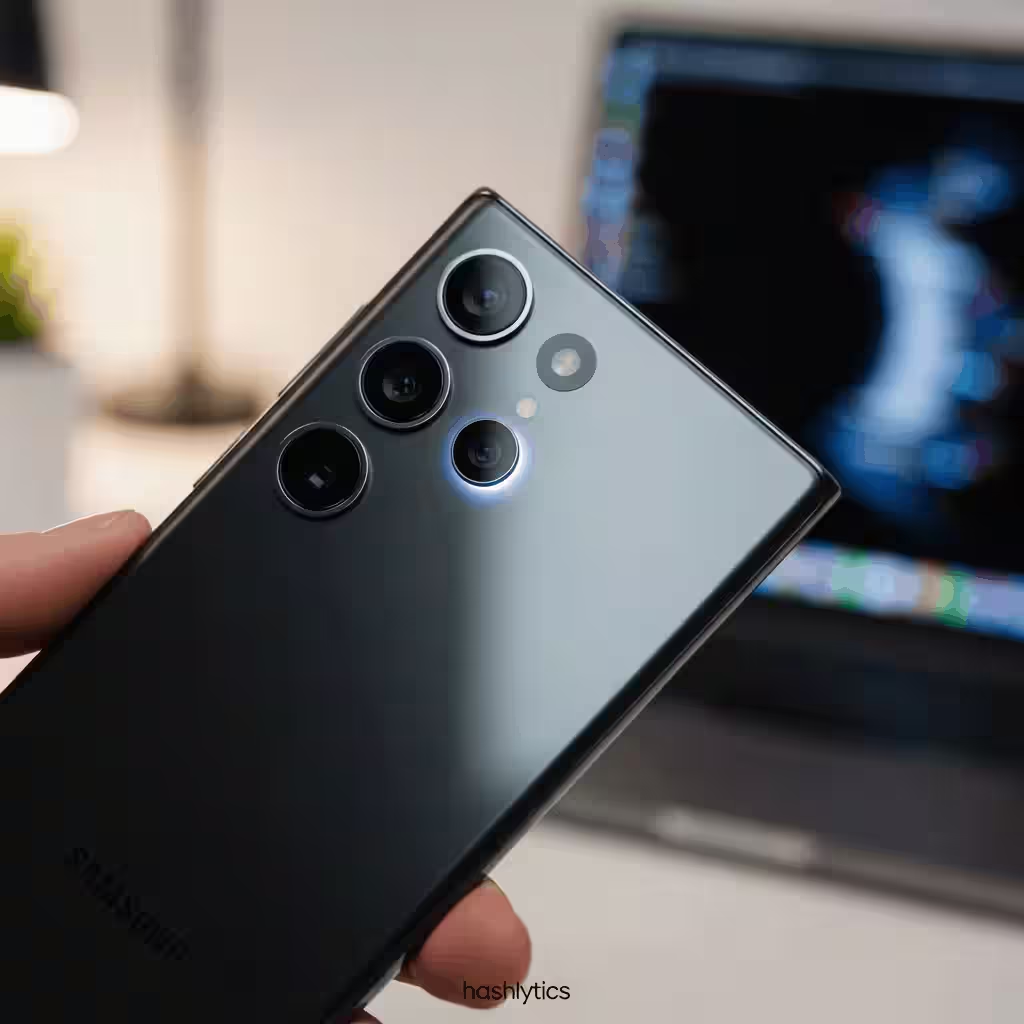
Samsung is reportedly developing a major camera sensor upgrade for its forthcoming Galaxy S27 Ultra smartphone. According to industry leaks, the new sensor could introduce advanced technology designed to significantly enhance photographic dynamic range, marking a potential departure from the hardware used in several previous “Ultra” models.
According to a report from the leaker Digital Chat Station on Weibo, Samsung is working on a new flagship sensor named ISOCELL HPA. This component is rumored to be a 1/1.12-inch sensor with a 200-megapixel resolution. The key feature is its purported support for LOFIC (Lateral Overflow Integration Capacitor) technology, which aims to improve image quality in high-contrast lighting conditions.
However, a separate leak from another source, Ice Universe, suggests that Samsung might use a modified version of this sensor, potentially named HP6. This variant could feature a slightly smaller size of approximately 1/1.3 inches, possibly to balance imaging performance with the device’s physical design constraints, such as overall thickness.
The rumored inclusion of LOFIC technology is the most significant aspect of the leak. This feature allows each pixel to capture multiple levels of light signals simultaneously. In practice, this helps prevent overexposed “blown-out” highlights while preserving details in dark shadow areas. The result is a more balanced image with a greater dynamic range, particularly beneficial for challenging scenes like sunsets or backlit portraits.
This development follows a period where Samsung has used the same 200MP main sensor since the Galaxy S23 Ultra, focusing instead on software and image processing enhancements. A new, larger sensor combined with software expertise could represent a substantial leap in camera performance.
The move appears to be driven by intensifying competition in the flagship smartphone camera market. Reports suggest that rivals are also adopting similar sensor technologies, with Xiaomi’s 17 Ultra already featuring a comparable system and Apple’s upcoming iPhone 18 lineup rumored to follow suit. By developing its own ISOCELL camera sensors, Samsung can tightly integrate hardware and software to maintain a competitive edge and address user feedback calling for new core camera hardware.
As the Galaxy S27 series is approximately a year from its expected launch, these plans remain unconfirmed by Samsung. The final specifications, including the sensor’s exact size and official name, are subject to change. It is also unknown how the new hardware would affect the device’s final pricing or design.
If the rumors prove accurate, the Galaxy S27 Ultra could feature one of the most significant camera upgrades for the lineup in recent years. Mobile photography enthusiasts will be watching closely for official announcements from Samsung as the device’s anticipated launch window approaches. The final product will reveal whether Samsung prioritized the largest possible sensor or a more balanced design.
Follow Hashlytics on Bluesky, LinkedIn , Telegram and X to Get Instant Updates