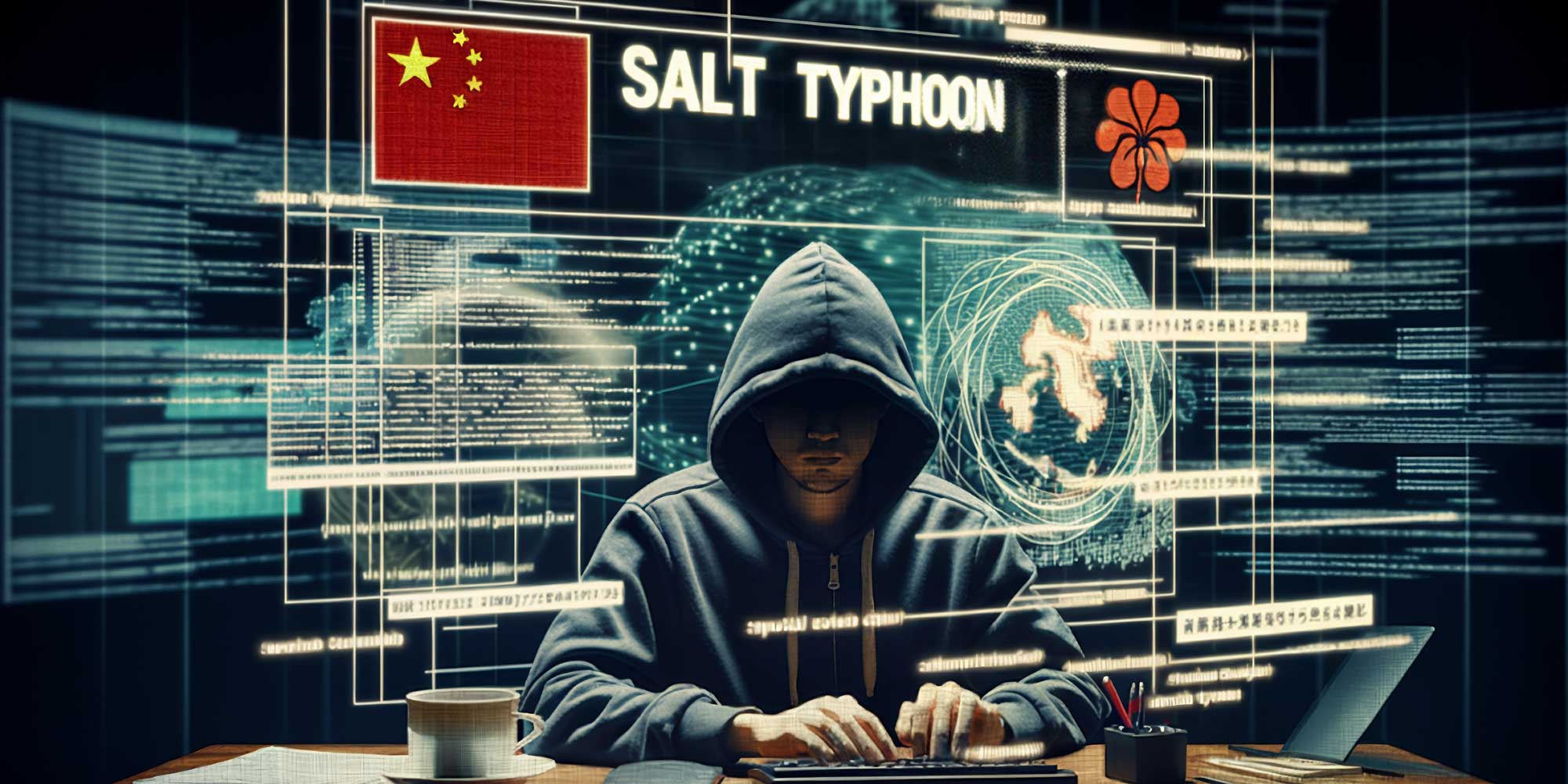
U.S. Senator Maria Cantwell is formally questioning whether major American telecommunication companies have adequately secured their networks following a massive breach by a Chinese-linked hacking group known as Salt Typhoon. The Senator’s skepticism comes despite assurances from the carriers that the state-sponsored actors have been ejected and network defenses bolstered.
In a recent letter, Senator Cantwell, who chairs the Senate Committee on Commerce, Science, and Transportation, expressed significant doubt about the current security posture of U.S. telecom infrastructure. This follows revelations of what has been described as one of the most severe telecom hacks in the nation’s history. According to reports, the carriers claimed to have reinforced their network perimeters and expelled the intruders after the breach was discovered. However, Senator Cantwell’s inquiry suggests a lack of confidence in these remediation efforts, raising concerns that vulnerabilities may persist.
The group at the center of the breach, Salt Typhoon (also identified by other security researchers as Volt Typhoon), is a sophisticated state-sponsored actor with ties to the People’s Republic of China. The group is known for its stealth and persistence, often using “living off the land” techniques that leverage a target’s own tools and network credentials to evade detection. In this campaign, Salt Typhoon reportedly gained extensive access to the networks of at least three major U.S. carriers, allowing them to spy on a wide range of customers, including officials at U.S. government agencies.
The Senator’s concern stems from the depth and scale of the initial intrusion. The ability of a foreign adversary to maintain prolonged, deep access within critical U.S. communication networks represents a significant national security risk. The hackers’ focus on espionage against government targets underscores the strategic nature of the attack. Cantwell’s letter implies that the threat posed by such a sophisticated group may require more than standard security upgrades, and that a complete eradication of the threat from the compromised networks has not been sufficiently verified.
Several key details surrounding the incident remain undisclosed to the public. The specific telecommunication carriers that were compromised have not been officially named. The exact timeline of the breach, from initial intrusion to discovery and remediation, is unclear. Furthermore, the specific evidence or intelligence that prompted Senator Cantwell’s doubts about the carriers’ security claims has not been released.
Senator Cantwell’s public challenge could lead to increased congressional oversight of the telecommunications industry’s cybersecurity practices. The carriers may be compelled to provide detailed evidence of their security enhancements and proof that the Salt Typhoon threat has been fully neutralized. This incident will likely intensify the ongoing focus by U.S. cybersecurity agencies, such as CISA, on protecting critical infrastructure from state-sponsored cyberattacks originating from China and other nations.
While high-level espionage is beyond the control of individual users, the compromise of telecommunication networks highlights the importance of personal digital security. Individuals, especially those in sensitive roles, should consider the following steps:
- Use end-to-end encrypted messaging applications like Signal or WhatsApp for sensitive communications, as this can protect content even if the underlying network is compromised.
- Enable multi-factor authentication on all online accounts to prevent unauthorized access.
- Remain vigilant against phishing attempts, as attackers who compromise networks often follow up with targeted attacks on individuals.
- Keep software and devices updated to protect against known vulnerabilities.
Follow us on Bluesky , LinkedIn , and X to Get Instant Updates