
+0.56%
+1.25%
+0.03%
+7.66%
+1.98%
-0.65%
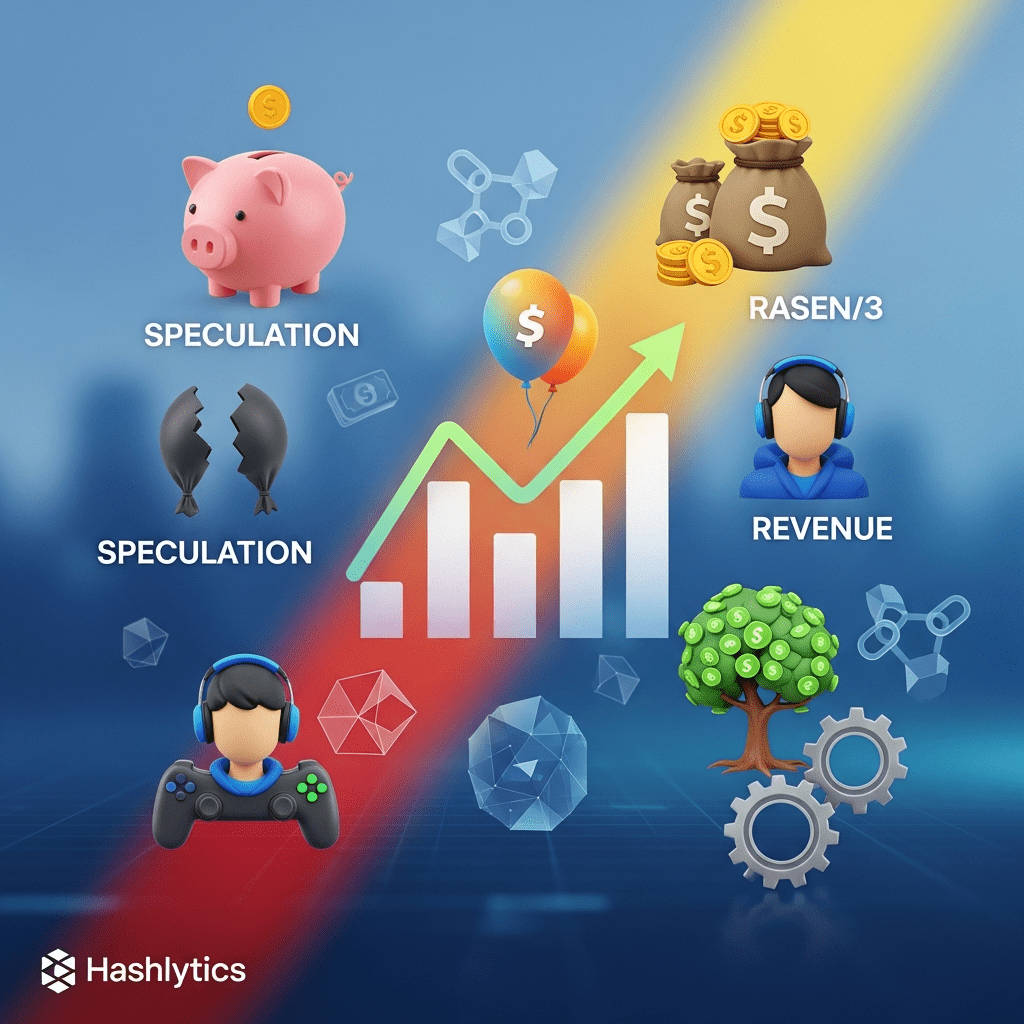
The speculative frenzy that once defined Web3 gaming is giving way to a more sustainable model centered on quality gameplay and robust revenue streams. According to a recent report from the Blockchain Game Alliance (BGA), the sector is experiencing a resurgence, leaving behind its speculative origins and embracing a product-focused future.
Optimism is returning to the Web3 gaming space. A survey encompassing over 500 blockchain gaming professionals indicates a rebound in sentiment from the lows of 2024, with a pronounced emphasis shifting from unreliable token economics to more dependable revenue models.
The evolution of Web3 gaming has been marked by significant volatility. The year 2021 witnessed an explosion in the sector, fueled by the hype surrounding play-to-earn (P2E) models and a surge of speculative investment. This period of exuberance, however, proved unsustainable.
The subsequent collapse of P2E models triggered a crisis of confidence, leading to a sharp decline in funding. Many studios were forced to close, reputations were damaged, and the fundamental viability of Web3 gaming came into question.
The Funding Cliff
The data clearly illustrates the severity of the downturn. Annual funding experienced a dramatic decrease, plummeting from $4 billion in 2021 to just $293 million in 2025. This forced teams to adopt lean operational strategies and focus on bootstrapping. Even prominent venture capital firms temporarily halted new investments in Web3 gaming, and project token prices plummeted, experiencing declines of over 90% from their peak values.
The failure rate during this period was exceptionally high. Between 80% and 93% of Web3 games ultimately failed, with the average lifespan measured in mere months. Even studios that had successfully raised millions of dollars struggled to remain operational without continuous injections of capital.
The market is showing signs of recovery. Several factors are contributing to this resurgence, including changes in the regulatory environment and the increasing adoption of stablecoins.
Animoca Brands co-founder Yat Siu highlights that recent crypto-friendly adjustments in US regulations are providing greater freedom for companies, reducing their dependence on establishing nonprofit foundations when planning token launches.
Stablecoins are also playing a transformative role in the recovery. The BGA emphasizes their ability to facilitate “fast, low-cost, borderless transactions without the volatility associated with other crypto assets,” which is a significant advantage for attracting and retaining players in Web3 games.
Quality Matters
Ultimately, the key to achieving long-term success in Web3 gaming lies in delivering engaging and high-quality gameplay experiences. According to the survey, nearly 30% of respondents identified the launch of high-quality games as the most critical factor for driving industry growth.
“The clearest indicator of the industry’s broader transition lies in its reorientation toward sustainable economics.”
Immutable’s vice president of global sales, Andrew Sorokovsky, contends that “despite the negative headlines, blockchain gaming is now one of crypto’s most proven sectors — where quality projects are thriving and real adoption is taking hold.”
The resurgence of Web3 gaming signifies more than just financial recovery; it represents a fundamental shift in perspective. The focus has now shifted to building sustainable ecosystems that prioritize the player experience and long-term value creation. As the industry continues to mature, we can anticipate the emergence of more innovative and engaging blockchain-based games that appeal to a broader audience and drive genuine adoption.
Follow us on Bluesky , LinkedIn , and X to Get Instant Updates