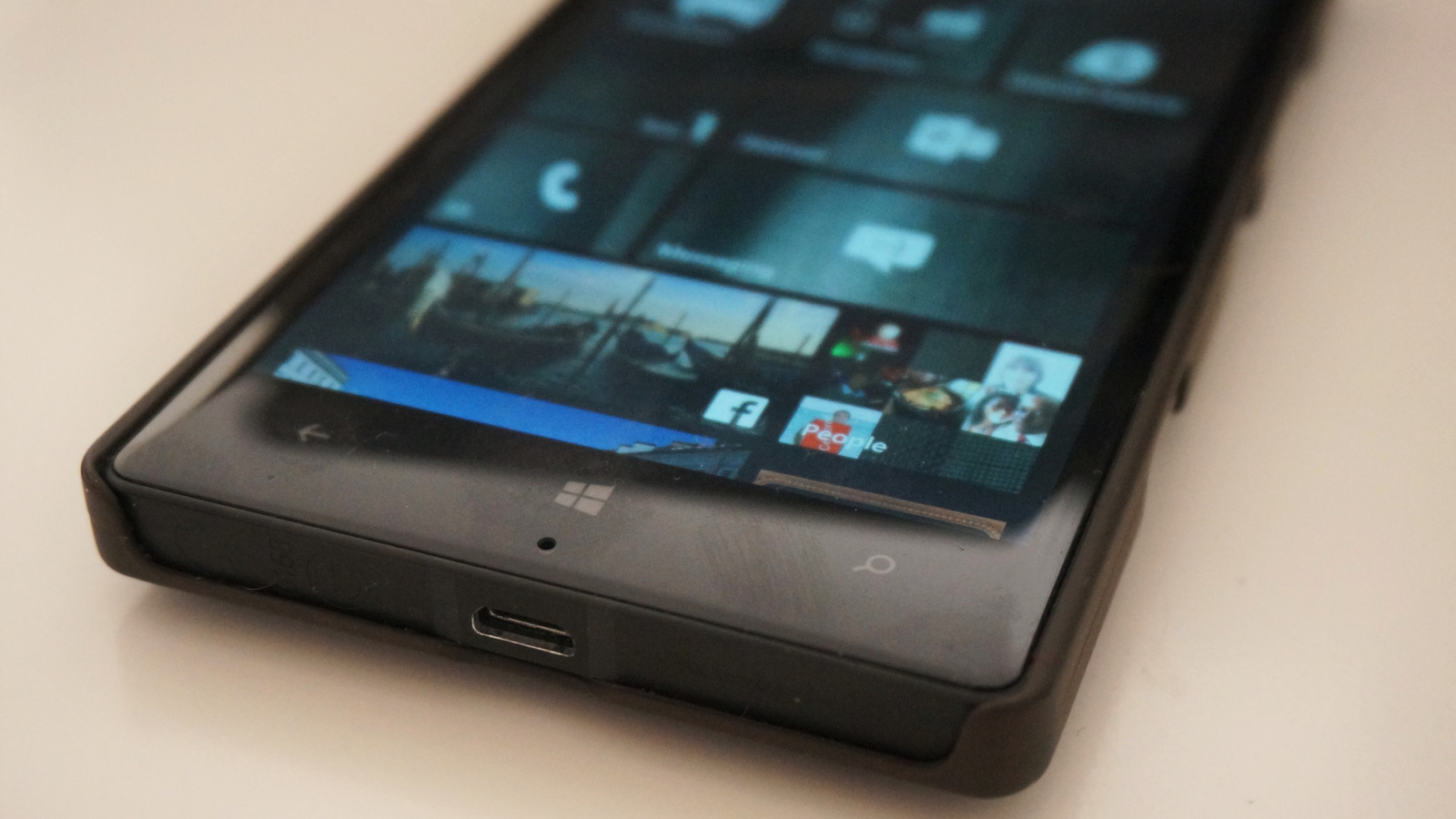
A retrospective look at Microsoft’s defunct Windows Phone operating system has reignited discussions about a unique and highly-praised keyboard feature that remains absent from modern iOS and Android platforms. The feature, which dynamically adjusted key sizes to predict a user’s next tap, is being highlighted for its potential to increase typing speed and accuracy, prompting questions as to why it hasn’t been adopted by today’s mobile leaders, Apple and Google.
Recent analysis has brought attention back to the intelligent design of the Windows Phone keyboard. Unlike static keyboards, it used predictive text algorithms not just to suggest words, but to subtly enlarge the touch target of the most likely next letter a user would type. This design choice aimed to reduce errors, particularly for users with larger fingers or those typing quickly, by making the intended key easier to hit. Inquiries have reportedly been made to both Apple and Google regarding the absence of similar functionality in their current keyboard offerings.
The Windows Phone keyboard, often referred to as Word Flow, was a cornerstone of the user experience. Its core innovation was the probabilistic resizing of key hitboxes. For example, after a user typed the letter ‘q’, the touch area for the letter ‘u’ would momentarily expand, increasing the likelihood of a successful tap. This differed from modern swipe-based keyboards like Apple’s QuickPath and Google’s Gboard, which focus on continuous motion input rather than optimizing individual keystrokes.
The divergence in keyboard philosophy may explain the feature’s absence. Both Apple and Google have invested heavily in gesture-based or “glide” typing, where users slide their finger between letters. This input method relies on word-shape recognition and may not benefit as much from dynamic key sizing. Furthermore, the development focus for iOS and Android keyboards has shifted towards AI-powered autocorrection, contextual word suggestions, and emoji integration, representing a different set of priorities than the hardware-software interaction refinement seen in the Windows Phone keyboard.
The future of mobile keyboards continues to evolve, with a heavy emphasis on artificial intelligence and machine learning to improve predictive accuracy. While the core QWERTY layout remains standard, innovations in haptic feedback, third-party keyboard applications, and AI-driven personalization are expected. It remains to be seen if user demand or a shift in design focus could lead to the reintroduction of features like dynamic key targets in future OS updates from Android or iOS.
Users interested in enhancing their mobile typing experience can take several steps. First, explore the extensive customization settings within the native iOS and Android keyboard options, including text replacement and dictionary management. Second, investigate reputable third-party keyboard apps available on the App Store and Google Play, as some may offer unique features not found in the default software. Finally, users can submit feature requests directly to Apple and Google through their respective feedback channels.
Follow Hashlytics on Bluesky, LinkedIn , Telegram and X to Get Instant Updates