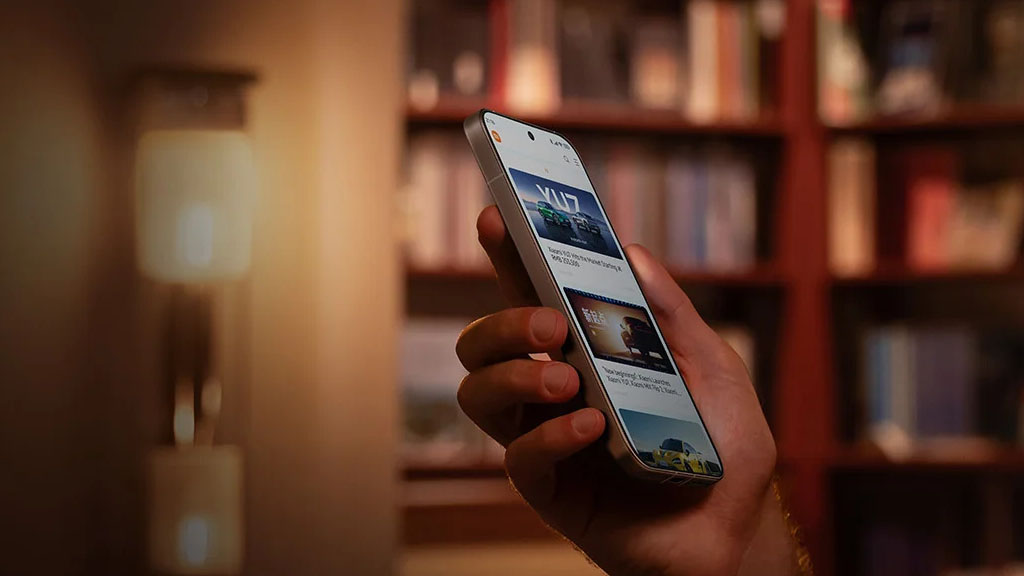
Xiaomi’s HyperOS 4, built on the foundation of Android 17, is poised to be more than just an operating system update; it could redefine mobile gaming. Early indications suggest a significant emphasis on enhancing the mobile gaming experience, potentially transforming Xiaomi phones into powerful handheld consoles. This has major implications for the mobile gaming market, which is already a multi-billion dollar industry.
While Google’s Android 17 remains under development, industry experts are speculating about its potential gaming enhancements. Xiaomi, known for its innovative approach, seems ready to fully utilize these features in HyperOS 4. The central question is: what specific improvements can users anticipate?
Specific details are limited, but the team at XiaomiTime has been investigating, suggesting HyperOS 4 might transform Xiaomi phones into “full gaming consoles” on Android 17. This involves more than simply adding a “gaming mode”; it represents a fundamental shift in how the OS manages resources and prioritizes performance during gameplay.
Expect optimized CPU and GPU allocation, reduced latency, and potentially advanced thermal management to prevent performance throttling during extended gaming sessions. This also paves the way for seamless integration with gaming peripherals, offering a console-like experience on the move.
Beyond Raw Power: The Importance of Software Optimization
The latest Snapdragon chip alone isn’t enough. Software optimization is critical for maximizing gaming performance. Imagine enhanced touch response, intelligent background process management, and even AI-powered performance scaling that adapts to different game genres. This degree of control could be the key to a smooth and immersive gaming experience.
Furthermore, integrating Android 17’s gaming-centric features could unlock new possibilities for game developers. Games might be specifically designed to leverage HyperOS 4’s capabilities, pushing the limits of what’s possible on mobile platforms.
Xiaomi is not alone in its pursuit of mobile gaming dominance. Other Android manufacturers are undoubtedly exploring similar strategies, and dedicated gaming phones from brands like ASUS ROG and RedMagic continue to advance hardware capabilities. However, Xiaomi’s widespread market presence and competitive pricing provide a significant advantage.
The future of mobile gaming isn’t just about powerful hardware; it’s about intelligent software that unlocks the full potential of that hardware.
HyperOS 4’s success depends on its ability to deliver a tangible and noticeable improvement in gaming performance without compromising battery life or overall user experience. This is a delicate balance, but if Xiaomi succeeds, it could redefine mobile gaming.
The mobile gaming landscape is rapidly evolving. As Android 17 and HyperOS 4 emerge, it will be interesting to see how these advancements change mobile gaming, and how other companies respond to Xiaomi’s efforts to dominate the market.