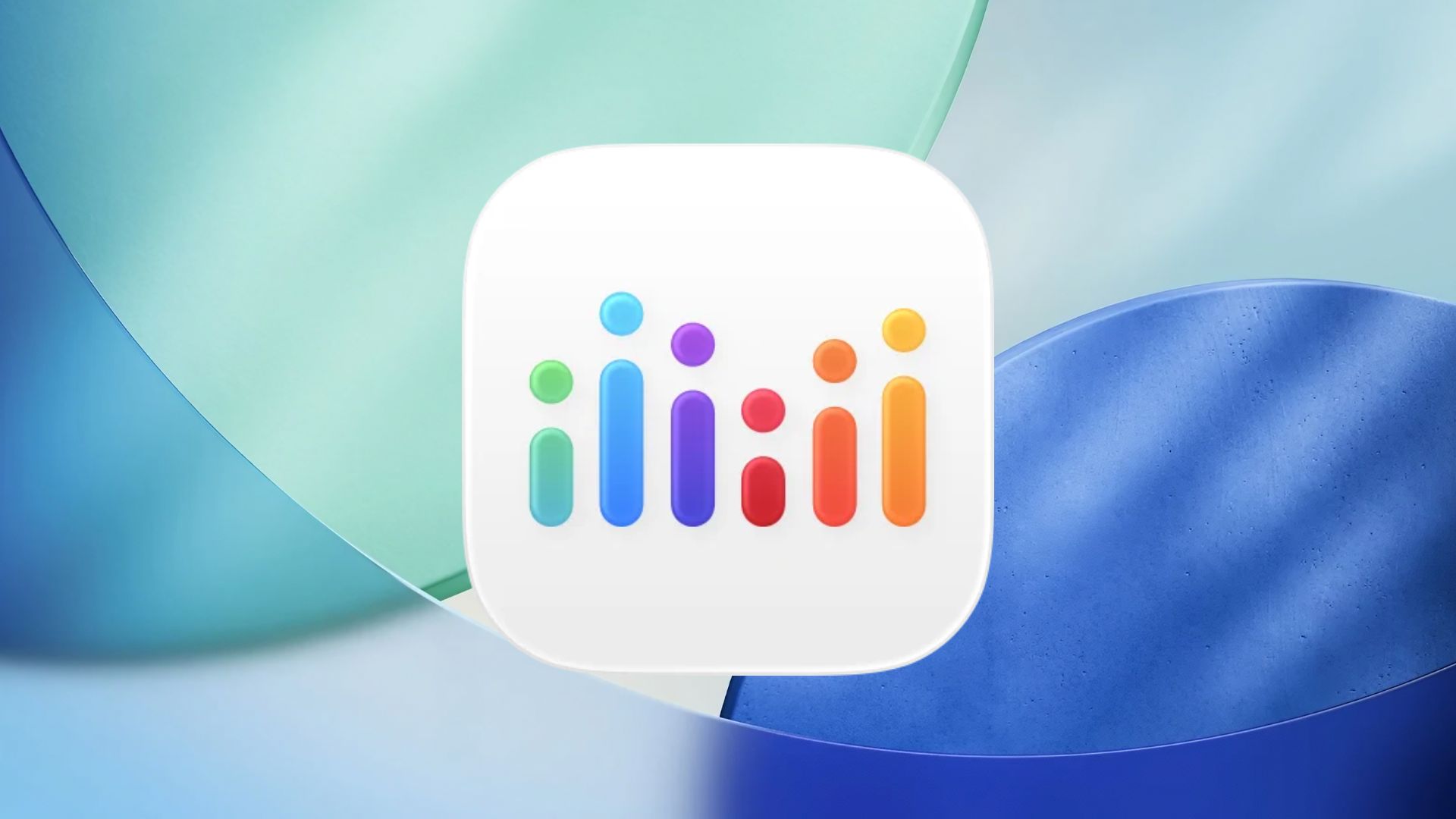
Apple is continuing its gradual rollout of the “Liquid Glass” design language across iOS, and the latest app to receive the update is Apple Research. First introduced alongside iOS 26, the visual refresh reflects Apple’s broader effort to modernize its system interface while tightening visual consistency across first-party apps.
The update brings the Apple Research app in line with Apple’s evolving design direction, which emphasizes translucency, depth, and layered interfaces. While Apple has not formally announced a full redesign schedule for all native apps, the steady expansion of Liquid Glass suggests a deliberate, phased transition rather than a one-off refresh. As seen with earlier updates, including changes introduced in iOS 26.1, Apple appears focused on aligning visual identity before expanding functionality.
For Apple Research users, the change is primarily visual but still significant. The app now reflects the same modern aesthetic appearing across newer system components, reinforcing Apple’s intent to treat even niche utility apps as part of a unified ecosystem rather than standalone tools.
Visual Depth Becomes Central to the Interface
One of the most noticeable elements of the Liquid Glass update is the increased use of translucency and layered depth. Interface components appear to float above softly blurred backgrounds, creating clearer separation between content layers without relying on heavy borders or contrast blocks. This approach enhances visual hierarchy while maintaining focus on research participation and data summaries.
Typography and Icons Aligned With System Standards
Alongside the layered effects, Apple has subtly refined typography and iconography within the Research app. Text rendering appears optimized for clarity against translucent surfaces, while icons adopt a cleaner, more uniform style consistent with other updated iOS apps. These refinements reinforce Apple’s long-standing emphasis on legibility, even as visual complexity increases.
More Fluid and Responsive UI Behavior
The “liquid” aspect of the design language also shows up in motion and responsiveness. Interface elements respond more dynamically to user interaction, with subtle transitions and animations that make navigation feel smoother. While these changes do not alter core functionality, they contribute to a more cohesive and modern interaction model across iOS.
Part of a Broader System-Wide Rollout
Apple’s approach to Liquid Glass has been incremental, and the Research app update fits into that pattern. The design language is gradually appearing across first-party apps, reinforcing consistency as users move between services. Although some major apps, including the iWork suite, have yet to adopt the new look, Apple’s emphasis on system-wide consistency suggests these updates are part of a longer-term plan rather than selective redesigns. The integration mirrors Apple’s broader ecosystem strategy, similar to how cross-service cohesion has been emphasized in other platform updates and integrations, including recent developments highlighted in adjacent ecosystems.
Privacy and Data Control Remain Central
Despite the visual changes, Apple Research’s core purpose remains unchanged. The app continues to focus on user-controlled participation in health studies, with strong emphasis on transparency and privacy. Apple has positioned the design update as a way to present these features within a more modern and trustworthy interface, without altering the underlying data-sharing model outlined on the official Apple Research page.
The Liquid Glass update to Apple Research underscores Apple’s broader strategy with iOS 26: evolve the platform’s visual identity gradually while preserving familiarity and trust. Rather than introducing sweeping functional changes, Apple appears focused on refining how users experience its ecosystem at a visual and interaction level.
As the Liquid Glass design continues to expand across Apple’s app portfolio, the update to Apple Research serves as another signal that Apple views consistency and polish as foundational to long-term platform evolution. Users can expect more native apps to follow this pattern as Apple completes its transition to the new design language across iOS.
Follow us on Bluesky , LinkedIn , and X to Get Instant Updates