+1.02%
+1.52%
-0.42%
-3.65%
+2.10%
-4.50%
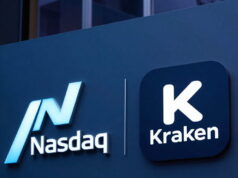
The digital asset landscape has received a significant boost, as major financial institutions like BNY Mellon, Nasdaq, and S&P Global have invested in an undisclosed venture. This investment signals a growing institutional interest in the future of finance and represents more than just a funding round; it’s a validation of digital assets by established financial powerhouses.
What does this investment signify for the average crypto enthusiast or even a skeptical observer? It suggests a potential convergence between traditional financial systems and the innovative promise of decentralized technologies, indicating a substantial shift in the financial landscape.
The importance of this investment lies not only in the capital provided but also in the reputation and influence of the investors. BNY Mellon, a custodian of trillions in assets, Nasdaq, an exchange synonymous with technological advancement, and S&P Global, a leading provider of market intelligence, are not known for making hasty decisions.
Their participation indicates a deeper understanding and perhaps an acceptance of digital assets as a legitimate asset class. It raises the question of whether these institutions are hedging their bets or genuinely believe in the long-term potential of digital assets. The answer likely lies somewhere in between, reflecting a cautious yet optimistic outlook.
What’s Driving the Institutional Interest?
Several factors are contributing to the increasing institutional interest in digital assets:
- Maturing Infrastructure: The digital asset ecosystem is becoming more robust, with enhanced security measures and gradual improvements in regulatory clarity.
- Client Demand: Institutional clients are expressing increased interest in gaining exposure to digital assets, and ignoring this demand could lead to competitive disadvantages.
- Potential for Innovation: Blockchain technology offers the potential for increased efficiency, transparency, and the development of new financial products.
The focus extends beyond Bitcoin, as these institutions are likely exploring the broader potential of blockchain technology and its various applications beyond just cryptocurrencies. They see the potential for transformative changes across various sectors.
It’s improbable that traditional finance will be entirely replaced by decentralized alternatives. A more realistic scenario involves a hybrid model where both systems coexist and complement each other, leveraging the strengths of each approach.
This investment could facilitate greater integration of digital assets into the existing financial infrastructure, ultimately making them more accessible to a broader range of investors. This integration could streamline processes and create new opportunities within the financial sector.
“The future of finance is not about either/or; it’s about and. It’s about leveraging the best of both worlds to create a more efficient, transparent, and inclusive financial system.”
However, challenges persist. Regulatory uncertainty, security concerns, and the need for improved standardization remain significant hurdles that must be addressed before digital assets can achieve mainstream adoption. Overcoming these challenges is crucial for the continued growth and acceptance of digital assets.
Ultimately, the involvement of these financial powerhouses signifies a crucial moment in the evolution of finance. The future of finance is currently being shaped, and institutions that were once considered impervious to disruption are now actively participating in its development. Observing how this unfolds will be a fascinating process, with potentially significant implications for the global financial system.