+1.39%
+3.01%
+1.50%
+2.98%
+4.21%
+5.39%
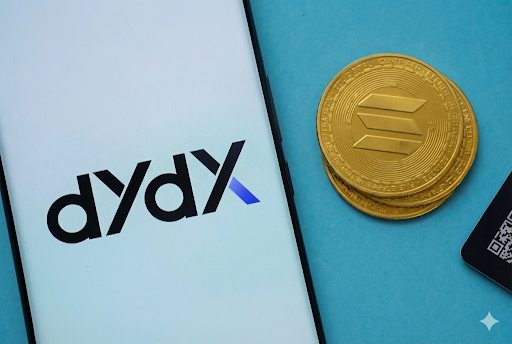
dYdX, a major player in crypto derivatives, is strategically entering the U.S. spot trading market by launching its platform on Solana, aiming to capitalize on the growing interest in decentralized finance (DeFi). To incentivize adoption, dYdX is waiving trading fees throughout December. The central question is whether dYdX can challenge established exchanges like Coinbase and Binance.US, which hinges on factors such as liquidity, regulatory compliance, and the appeal of decentralized alternatives to American traders.
This expansion marks a significant shift for dYdX, which has built its reputation on perpetual futures and margin products, processing over $1.5 trillion in cumulative volume. By venturing into spot trading, dYdX aims to provide a direct on-ramp to crypto assets for U.S. customers.
The decision to launch spot trading on Solana in the U.S. is a strategic response to the evolving regulatory landscape. By focusing on spot markets, dYdX seeks to offer a regulatory-friendly entry point for American traders, given the uncertainties surrounding perpetuals.
According to Eddie Zhang, president of dYdX Labs, this expansion aims to deliver “institutional-grade decentralized infrastructure” to U.S. traders. dYdX’s goal is to provide access to advanced trading tools and robust liquidity while upholding the core DeFi principles of transparency and self-custody.
Delivering Institutional-Grade Infrastructure
The commitment to providing institutional-grade infrastructure highlights dYdX‘s intention to create a sophisticated trading environment. This includes advanced order types, risk management tools, and real-time market data, all tailored to meet the needs of professional traders.
By focusing on these features, dYdX hopes to attract not only retail investors but also institutional clients seeking a decentralized alternative to traditional exchanges.
The choice of Solana as the launchpad for spot trading is crucial. Solana’s high throughput and low transaction costs make it an attractive platform for decentralized exchanges. This integration demonstrates dYdX’s commitment to expanding its user base beyond derivatives specialists and appealing to both retail and institutional spot traders.
However, the competitive landscape is fierce. Established spot exchanges such as Coinbase and Binance.US already dominate the market. dYdX’s December fee waiver is a direct challenge to these incumbents, aiming to attract users with a cost-effective option.
Competition in the Spot Market
The spot market is characterized by tight spreads and high liquidity, making it difficult for new entrants to gain a foothold. dYdX’s success will depend on its ability to differentiate itself from existing exchanges through superior technology, innovative products, and a strong focus on user experience.
dYdX’s timing is strategic, reflecting a growing sentiment that regulatory attitudes toward digital assets in the United States are becoming more favorable. While dYdX is not offering full product parity with international markets due to ongoing restrictions, the company clearly identifies a significant opportunity.
This launch extends beyond dYdX; it serves as a litmus test for the future of decentralized finance in the U.S. If dYdX successfully captures a substantial share of the spot trading market, it will encourage other DeFi projects to expand into the American market.
Implications for DeFi
A successful launch by dYdX could pave the way for other DeFi projects to enter the U.S. market, potentially leading to increased competition and innovation. This could also accelerate the adoption of decentralized finance among both retail and institutional investors.
The success of dYdX’s spot trading platform hinges on several factors, including attracting and retaining users, navigating regulatory challenges, and maintaining a competitive advantage in a rapidly evolving market. The future of finance is being contested, and dYdX is positioning itself to be a major contender.