-3.01%
-3.24%
-2.37%
+0.60%
+0.89%
+0.25%
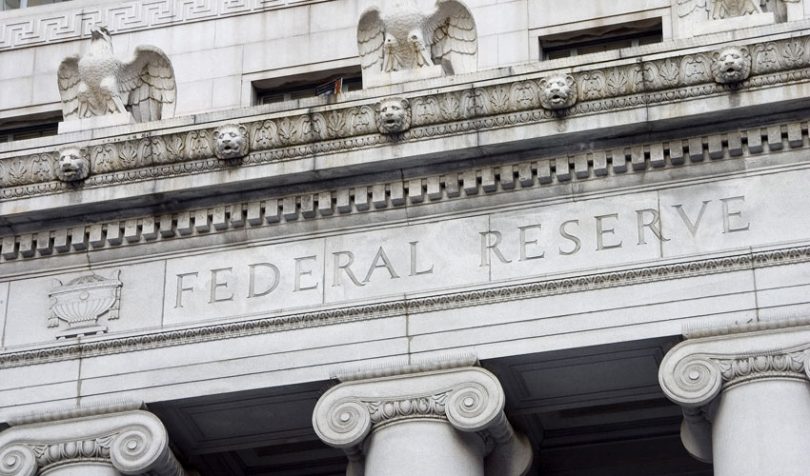
The Federal Reserve, Office of the Comptroller of the Currency (OCC), and Federal Deposit Insurance Corporation (FDIC) jointly issued guidance Thursday clarifying that eligible tokenized securities should receive the same capital treatment as their conventional, non-tokenized counterparts. The guidance was delivered via a frequently asked questions document and establishes that the capital rule is technology neutral
.
What the Guidance Says
According to the regulators, securities that have been tokenized or issued on distributed ledger technology (DLT) should be treated identically to traditional securities for regulatory capital purposes, provided they confer the same legal rights. The agencies clarified that the technologies used to issue and transact in a security do not generally impact its capital treatment
.
Critically, the guidance applies to both permissioned and permissionless blockchains. The capital rule does not differentiate based on blockchain type. This removes a key barrier for banks looking to engage with digital assets, as it prevents them from having to set aside prohibitive amounts of capital against tokenized holdings.
Eligible Tokenized Security Definition
The agencies introduced the term eligible tokenized security for a tokenized asset that carries the same legal rights as its non-tokenized version. This includes the same claim on cash flows, voting rights, and ownership. For these eligible instruments, banks must apply the same risk weights and capital rules they would use for the traditional form.
As with any exposure, banks holding tokenized securities must apply sound risk management practices and comply with applicable laws and regulations. Tokenized securities can also be used as collateral, provided they meet the relevant criteria, including perfected first-priority security interest requirements.
Contrast with Basel Committee Proposals
This U.S. guidance diverges from proposals by the international Basel Committee on Banking Supervision (BCBS). The BCBS framework, still under review, suggests a much more restrictive approach for assets on permissionless networks. Under its proposal, such assets could attract a risk weighting of 1250%, making it economically unfeasible for banks to hold them. The Federal Reserve’s guidance carves out a more permissive path for U.S. institutions.
Industry Context
A recent submission from the Securities Industry and Financial Markets Association (SIFMA) to the SEC outlined different types of tokenized assets, including direct issuances and security entitlement tokens, which would fall under this new regulatory interpretation.
The tokenized securities sector has recorded substantial growth. According to industry data, holders of tokenized stocks jumped from 125,000 to 184,000 on a year-to-date basis in Q1 2026, marking a 47% adoption rate. The subsector’s overall market cap has topped $1 billion and continues growing.
What This Enables
With clearer regulatory guidance, U.S. banks may accelerate projects involving the tokenization of real-world assets. This could lead to increased liquidity and efficiency in markets for securities like stocks and bonds. The development is a step in bridging traditional financial infrastructure with emerging blockchain technology, potentially paving the way for wider institutional adoption of digital assets on both permissioned and permissionless networks.
Next Steps for Financial Institutions
Financial institutions and market participants should review the joint FAQs to understand the specific requirements for equivalency. Firms should assess existing and planned tokenization projects against the legal and functional criteria outlined by the regulators. Technology and risk departments should evaluate operational and security implications of using different blockchain types for asset issuance.
Follow Hashlytics on Bluesky, LinkedIn , Telegram and X to Get Instant Updates