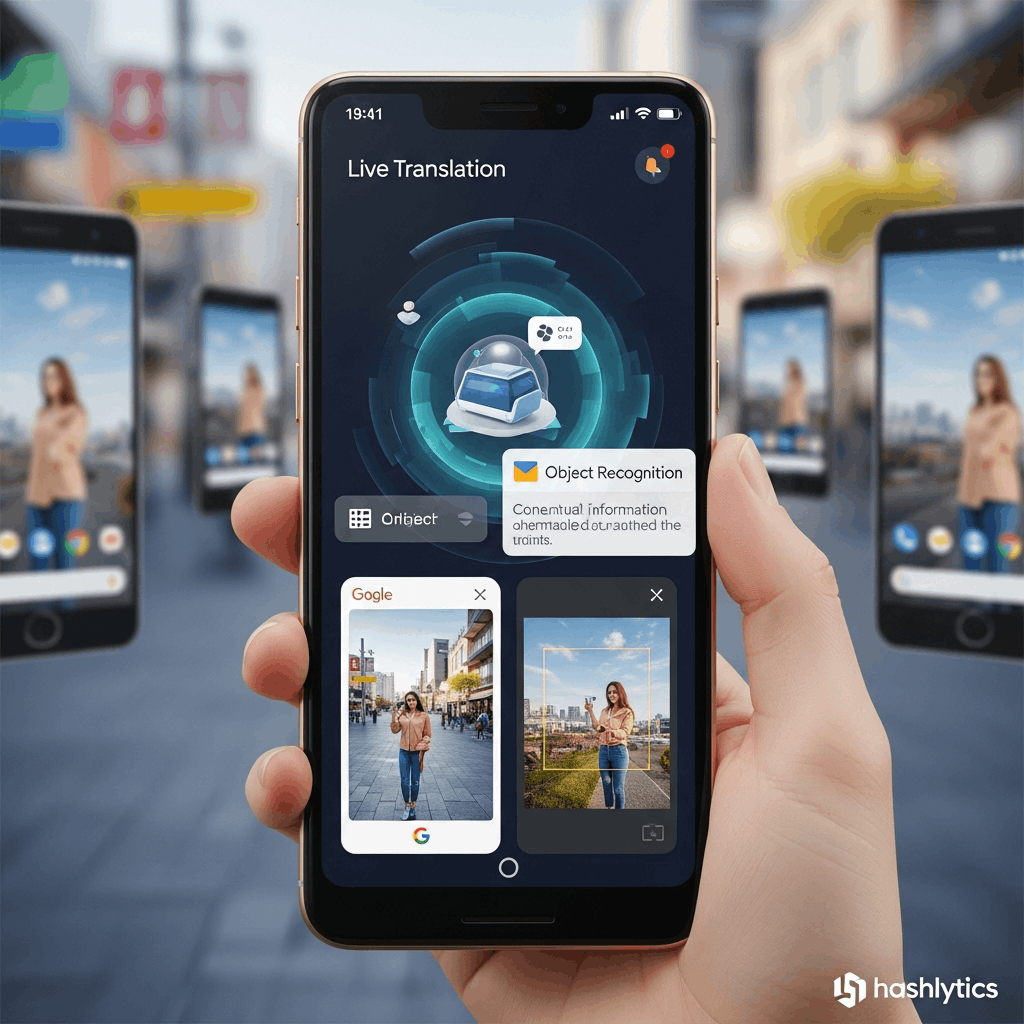
According to Google, the Pixel’s software strategy centers on a clean version of Android, timely updates, and deeply integrated AI tools that run directly on the device. Many of these features operate within the Private Compute Core, a secure on-device environment that processes sensitive data locally without sending it to the cloud. This approach is designed to enhance user privacy for functions like call transcription and ambient music identification. The company also promises seven years of OS and security updates for its newer devices, including the Pixel 8 series, a commitment that surpasses many competitors.
The camera system on Pixel phones incorporates several AI-driven editing tools directly within the Google Photos app. These features aim to simplify complex edits and improve photo quality beyond standard hardware capabilities. According to the company, its Real Tone feature was calibrated to accurately represent over 400 different skin tones, validated against dermatological standards for more inclusive photography.
- Magic Editor: Uses generative AI to allow users to reposition or remove objects and fill in backgrounds seamlessly.
- Add Me: Leverages augmented reality depth mapping to insert a person into a group photo after it has been taken.
- Best Take: Combines expressions from multiple burst shots to create a single image where everyone looks their best.
- Video Boost: A cloud-based process that upscales 4K video to 8K HDR, which Google claims improves detail, stabilization, and color accuracy.
- Night Sight Panorama: An AI-assisted mode for stitching together 360-degree photos in low-light conditions.
The Pixel Android experience includes several tools designed to streamline phone calls and reduce time spent navigating automated systems. Google claims its “Hold For Me” feature can save users an average of two to three minutes per call by having the Google Assistant wait on hold and provide an alert when a human representative joins the line. Other telephony features include “Direct My Call,” which transcribes automated phone menus into on-screen tappable options, and on-device “Call Notes” for transcribing conversations.
Pixel software integrates AI to enhance productivity across Google’s ecosystem of apps. The “At a Glance” widget dynamically surfaces context-aware information like boarding passes, event reservations, and package delivery alerts on the home screen. The “Pixel Screenshots” tool indexes captured images using AI to generate summaries and find related web links, making them searchable. Furthermore, the native Recorder app provides real-time transcription of multilingual audio with speaker identification, creating editable text documents from meetings or lectures.
Beyond major features, Google has embedded AI into the phone’s daily operations. The “Adaptive Battery” feature reportedly learns user app patterns to extend battery life by up to 15% over standard Android power management. The interface itself uses “Material You” theming, which adapts UI colors across more than 10,000 interface elements to match the user’s wallpaper. For privacy, many of these adaptive and AI-driven features, such as the “Now Playing” ambient music identification, are processed on-device to ensure user data remains private.
Google’s strategy with Pixel appears to be centered on using software as the primary differentiator in a market with increasingly similar hardware. By integrating AI across core functions and guaranteeing long-term software support, the company aims to provide a cohesive and intelligent user experience. Unlike many third-party Android devices that may come with pre-installed bloatware or delayed updates, the Pixel’s software is designed to be lightweight and consistently supported, positioning it as a benchmark for the Android ecosystem.
Follow us on Bluesky , LinkedIn , and X to Get Instant Updates