+0.56%
+1.25%
-0.65%
+4.97%
+0.34%
+1.33%
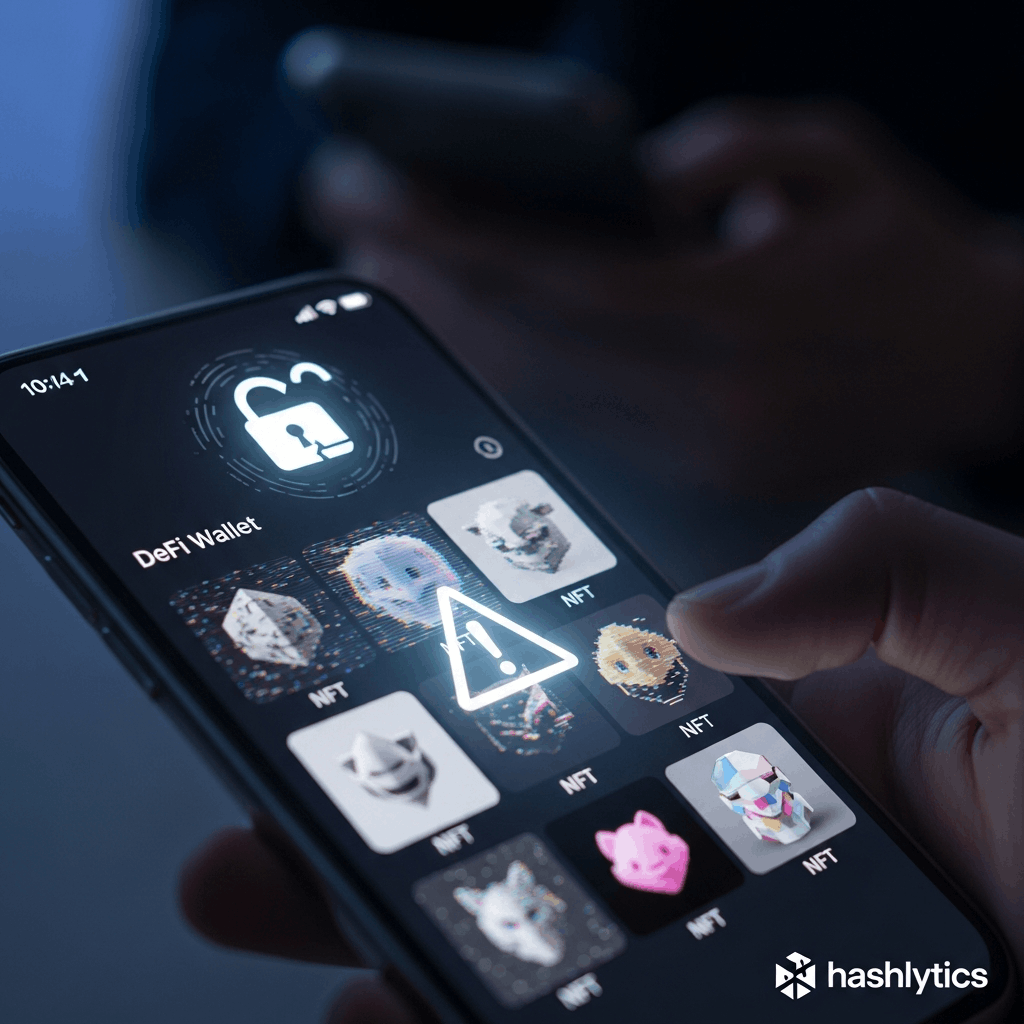
The increasing reliance on mobile devices for managing decentralized finance (DeFi) assets and non-fungible tokens (NFTs) is creating a new wave of security challenges. As users prioritize convenience for trading and minting, experts warn that common mobile habits expose them to significant risks, including phishing, social engineering, and asset theft from insecurely stored private keys.
Security researchers have identified a growing trend of attacks specifically targeting mobile crypto users. Unlike desktop-based threats, mobile attack vectors often exploit user interface design and casual app usage. Malicious actors distribute fake wallet applications through unofficial channels or use deceptive pop-ups within DApps to trick users into connecting their wallets and signing malicious transactions. The practice of storing sensitive information, such as seed phrases, in screenshots or cloud-based note apps remains a primary vulnerability, giving attackers an easy path to drain funds if a device or account is compromised.
According to a report by security firm Kaspersky, threats have evolved from simple credential theft to sophisticated malware that can intercept clipboard data or replace legitimate wallet addresses with fraudulent ones. This environment demands a higher level of user diligence than typical mobile app interactions.
The core tension lies between the seamless experience mobile users expect and the stringent security required for self-custody. Hardware wallets offer a higher degree of protection by isolating private keys from the internet-connected device, but their perceived friction leads many to rely solely on “hot” mobile wallets. This trade-off is particularly acute in the fast-paced NFT market, where minting opportunities are often time-sensitive.
Furthermore, the growth of cross-chain ecosystems has introduced another point of failure. Cross-chain bridges, which allow assets to move between different blockchains, have become a prime target for exploits. A Reuters analysis highlighted that bridge hacks account for billions in losses, as their complex smart contracts can contain undiscovered vulnerabilities.
The security gap is widening because user habits have not kept pace with the technology’s complexity. The casual nature of mobile phone use —multitasking, frequent notifications, and rapid clicks — makes users more susceptible to social engineering attacks. Scammers often impersonate support staff on platforms like Discord or X (formerly Twitter), creating a sense of urgency to trick users into divulging their recovery phrases or signing unintended transactions.
The full extent of financial losses stemming directly from mobile-specific wallet compromises is difficult to quantify, as many incidents go unreported by individuals. It also remains unclear how future mobile operating system vulnerabilities could impact the security of wallet applications that depend on the device’s underlying security architecture.
In response to these threats, wallet developers are expected to integrate more proactive security features, such as transaction simulations and more explicit warnings for suspicious contract interactions. Users can also anticipate increased scrutiny from app stores regarding the verification and security audits of financial and crypto-related applications.
To mitigate risks, security best practices include storing seed phrases offline on paper or metal plates, never in a digital format. Users should consider a tiered wallet strategy, keeping only small, active trading amounts in a mobile “hot” wallet while storing larger holdings in “cold” hardware wallets. It is also critical to verify app sources from official websites, double-check contract addresses before minting NFTs, and periodically use tools to revoke unnecessary token approvals.
Follow us on Bluesky , LinkedIn , and X to Get Instant Updates