Four Principles for ChatGPT Advertising
According to OpenAI’s official announcement, the company outlined four core principles to address user concerns:
Answer Independence: ChatGPT responses will remain optimized for helpfulness rather than advertiser influence, with all ads clearly labeled and separated from AI-generated content.
Conversation Privacy: User chats stay private from advertisers, with no data sold to third parties.
User Control: Users can turn off personalization and clear ad-related data at any time. Plus, Pro, Business, and Enterprise subscriptions remain ad-free.
Long-term Value: OpenAI promises not to optimize for time spent in ChatGPT, prioritizing user trust over short-term revenue.
The Financial Reality
OpenAI has signed infrastructure deals totaling over $1.4 trillion, including $300 billion with Oracle, $250 billion with Microsoft Azure, and $38 billion with AWS. CNBC reports the company expects to burn $8 billion in cash during 2025 on compute and operational costs.
With 800 million weekly active users but only 5% converting to paid subscriptions, the vast majority generate no direct revenue. CEO Sam Altman previously expressed reservations about ads but acknowledged in November that the company would likely “try ads at some point.”
How Ads Will Actually Appear
Despite public principles emphasizing separation, internal discussions reveal complexity. OpenAI employees have explored giving sponsored content “preferential treatment” in responses — potentially conflicting with the “answer independence” principle.
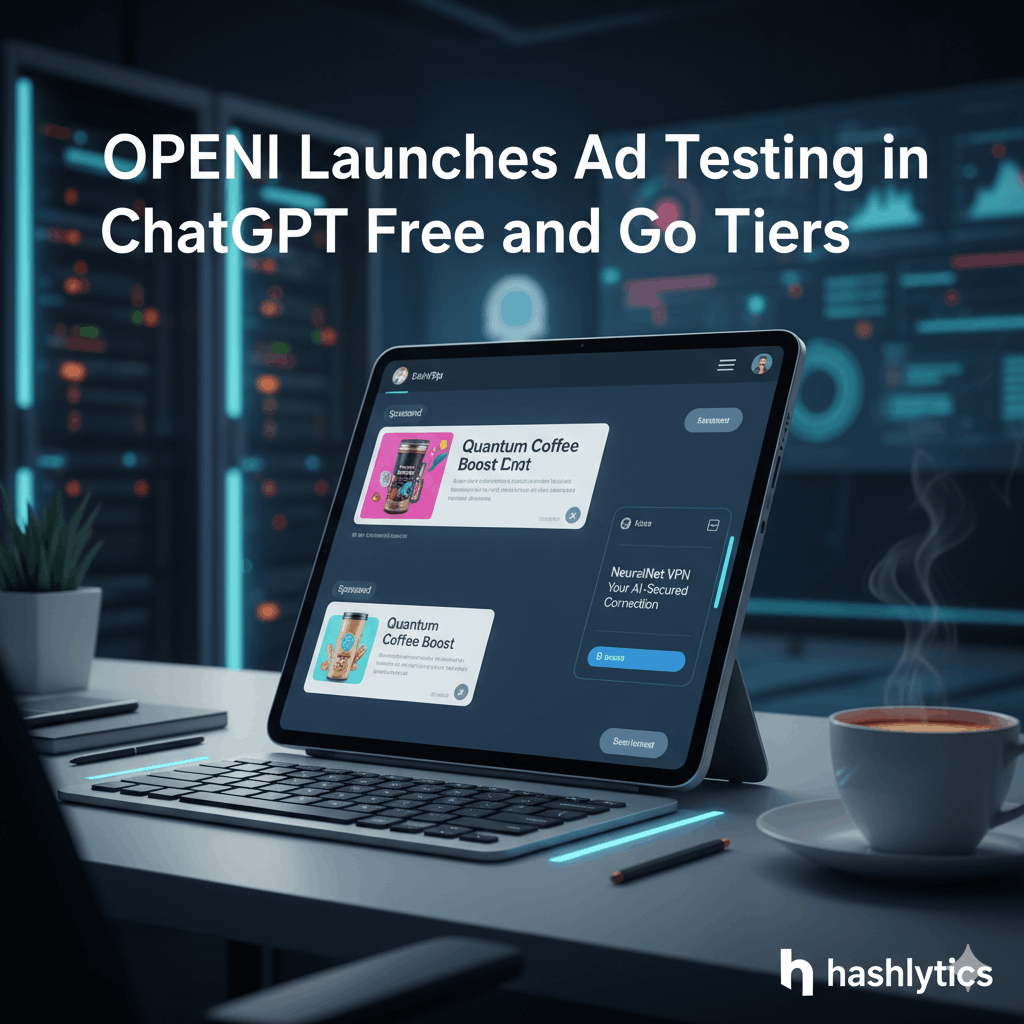
Ad mockups reportedly show sponsored information in a sidebar adjacent to responses, with conversations triggering ads only after progressing in certain directions. OpenAI calls this “intent-based monetization,” suggesting the platform may evolve toward making product recommendations.
The company has also discussed “generative ads,” where ChatGPT creates advertising content itself, selecting product features to highlight and experimenting with different pitches to optimize conversions.
Safeguards and Restrictions
Users under 18 won’t see ads. Advertisements won’t appear near sensitive topics including politics, health, and mental health. Users can learn why they’re seeing specific ads, dismiss them, and submit feedback.
However, these safeguards don’t address the fundamental tension between maintaining trust and generating revenue. Distinguishing genuinely helpful AI responses from commercially influenced suggestions may prove challenging despite clear labeling.
Industry Context
OpenAI’s move follows Google’s announcement of ads in Gemini by 2026, signaling an industry shift toward ad-supported AI chatbots. ChatGPT’s 800 million weekly users and 62.5% AI assistant market share give it substantial advertiser leverage.
Key questions remain: Will ads influence recommendations despite independence claims? How will users react during sensitive conversations? Can OpenAI maintain the trust that made ChatGPT successful?
For users concerned about advertising, Plus, Pro, Business, and Enterprise tiers ($20-$200 monthly) remain ad-free.
Follow us on Bluesky, LinkedIn, and X to Get Instant Updates