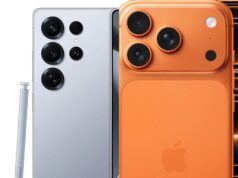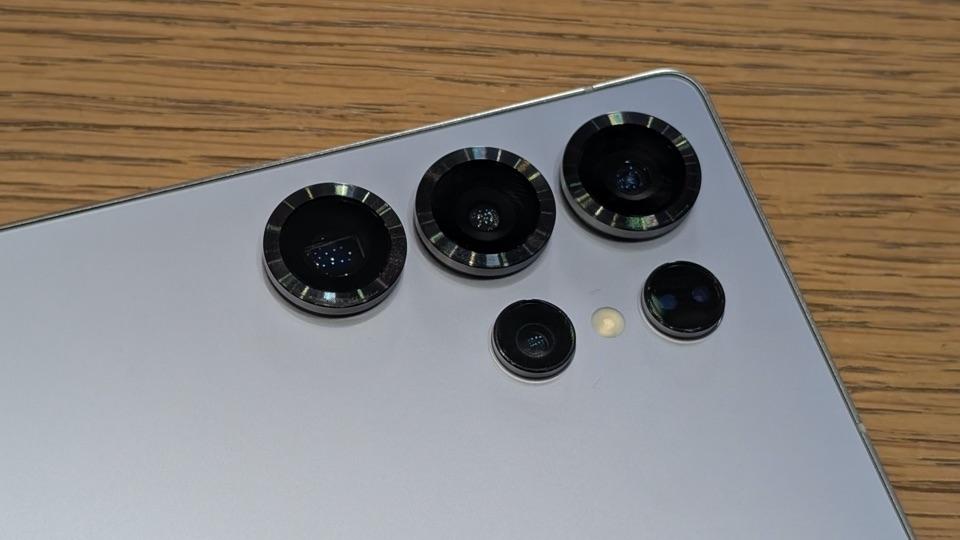
Raw processing power is only half the battle. The real differentiator in 2026 will be AI performance. As mobile AI adoption surges, the focus will shift towards local data processing, demanding both raw power and dedicated silicon to accelerate AI algorithms. This is where the Galaxy S26 Ultra could truly shine, offering on-device AI capabilities that rival cloud-based solutions.
It’s a strategic imperative for Samsung. By pushing the boundaries of on-device AI, they can offer users enhanced privacy, reduced latency, and greater independence from network connectivity. This is crucial to remember as you the S26 Ultra will offer the absolute best specs possible, so it should be at the top of your list.
Snapdragon vs. Exynos: A Tale of Two Chips
The rivalry between Snapdragon and Exynos is more than just a marketing ploy; it’s a fundamental choice that impacts performance, cost, and regional availability. While the Snapdragon might initially appear to offer superior raw performance, the Exynos could prove to be a more cost-effective solution, potentially powering the standard Galaxy S26 and S26+ models.
This split strategy allows Samsung to cater to different market segments and potentially optimize performance based on specific use cases. It’s a delicate balancing act, and the final outcome will depend on how well each chip handles real-world AI tasks.
The stage is set for late January 2026, when Samsung is expected to host its annual Galaxy Unpacked event. This is where the Galaxy S26, S26+, and the flagship S26 Ultra will officially break cover, revealing the culmination of years of research and development.
Beyond the specs and features, the event will offer a glimpse into Samsung’s vision for the future of mobile technology. And perhaps, as Now read why an early launch of the Galaxy S26 Ultra will benefit Samsung… the S26’s AI capabilities will make it one of the most anticipated phones of the new year.
The Galaxy S26 Ultra is more than just a new phone; it’s a harbinger of the AI-powered future that awaits us. Whether it’s the Snapdragon or the Exynos that ultimately reigns supreme, the real winner will be the consumer, benefiting from smarter, more intuitive, and more personalized mobile experiences.