
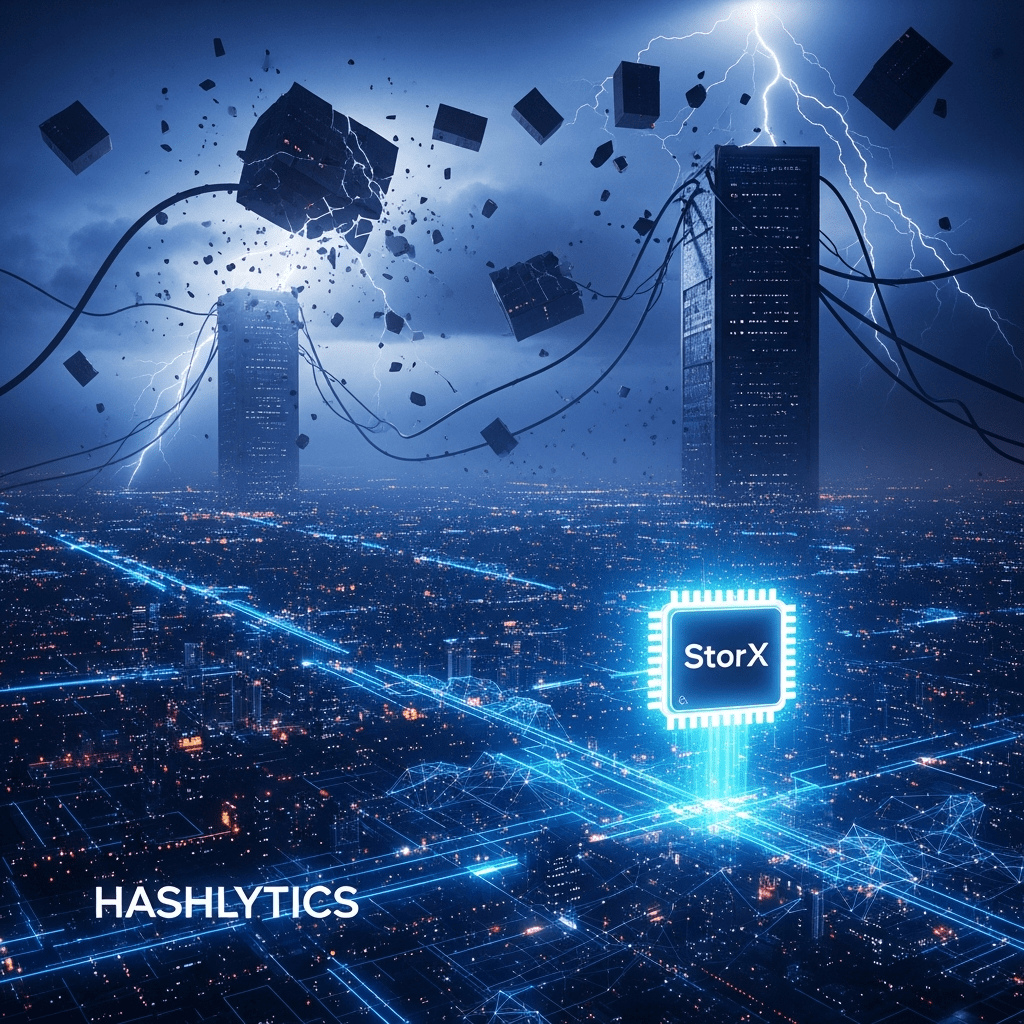
For years, the promise of seemingly limitless, always-on cloud infrastructure lured businesses into the arms of giants like Amazon Web Services, Google Cloud Platform, and Microsoft Azure. But that promise has been repeatedly broken.
The past five years have been a wake-up call for IT departments worldwide. What began as isolated incidents escalated into a pattern of disruptive outages, exposing the fragility of relying on a single point of failure.
Consider the litany of failures:
- 2021 (AWS): A regional outage crippled streaming services like Disney+ and Netflix, along with crucial platforms like Coinbase, DoorDash, and Ring.
- 2022 (AWS): Further AWS failures grounded airline reservations, disrupted banking dashboards, and snarled logistics networks across North America.
- 2023 (GCP & Azure): Google Cloud networking problems hampered Spotify, Snapchat, and payment processors, while Azure authentication issues locked enterprises out of their own systems.
- 2024 (Azure & GCP): Microsoft’s cloud misconfigurations took down Teams, Outlook, and Office365. Google Cloud outages disrupted major fintech apps, and government portals in Europe and the Middle East went dark.
- 2025 (AWS, GCP, Azure): Multi-region AWS banking API failures, GCP storage breakdowns halting enterprise AI workloads, and Azure identity service meltdowns left thousands unable to access internal systems.
These aren’t just minor inconveniences; they represent significant financial losses, reputational damage, and a fundamental breakdown in trust. The question isn’t if another outage will occur, but when.
The recurring failures have forced a fundamental rethink of enterprise IT strategy. The assumption that centralized cloud architecture guarantees operational continuity has been shattered. The new paradigm shifts the focus from which cloud provider to how to build an ecosystem that can withstand failures from any CSP.
Enter decentralized storage networks like StorX. These platforms offer a compelling alternative by distributing data across a vast network of independent nodes, eliminating the single point of failure that plagues traditional cloud providers. The future points towards multi-cloud storage that is seamlessly integrated, distributed, and decentralized, a vision championed by networks like StorX.
The shift towards decentralized solutions isn’t just about mitigating risk; it’s about embracing a more resilient and ultimately more secure future for data storage. As data volumes continue to explode – some estimates project exponential growth (See, for example, Research and Markets), the conversation around decentralized technologies is clearly gaining momentum, further highlighting the potential of solutions like StorX in the broader ecosystem.
The era of blind faith in centralized cloud providers is over. Enterprises are now demanding greater control, resilience, and security. Decentralized storage solutions like StorX are poised to play a crucial role in shaping the future of the cloud, one where data is not only stored but also truly protected.