+0.56%
+1.25%
-1.10%
-1.10%
-0.01%
-0.79%
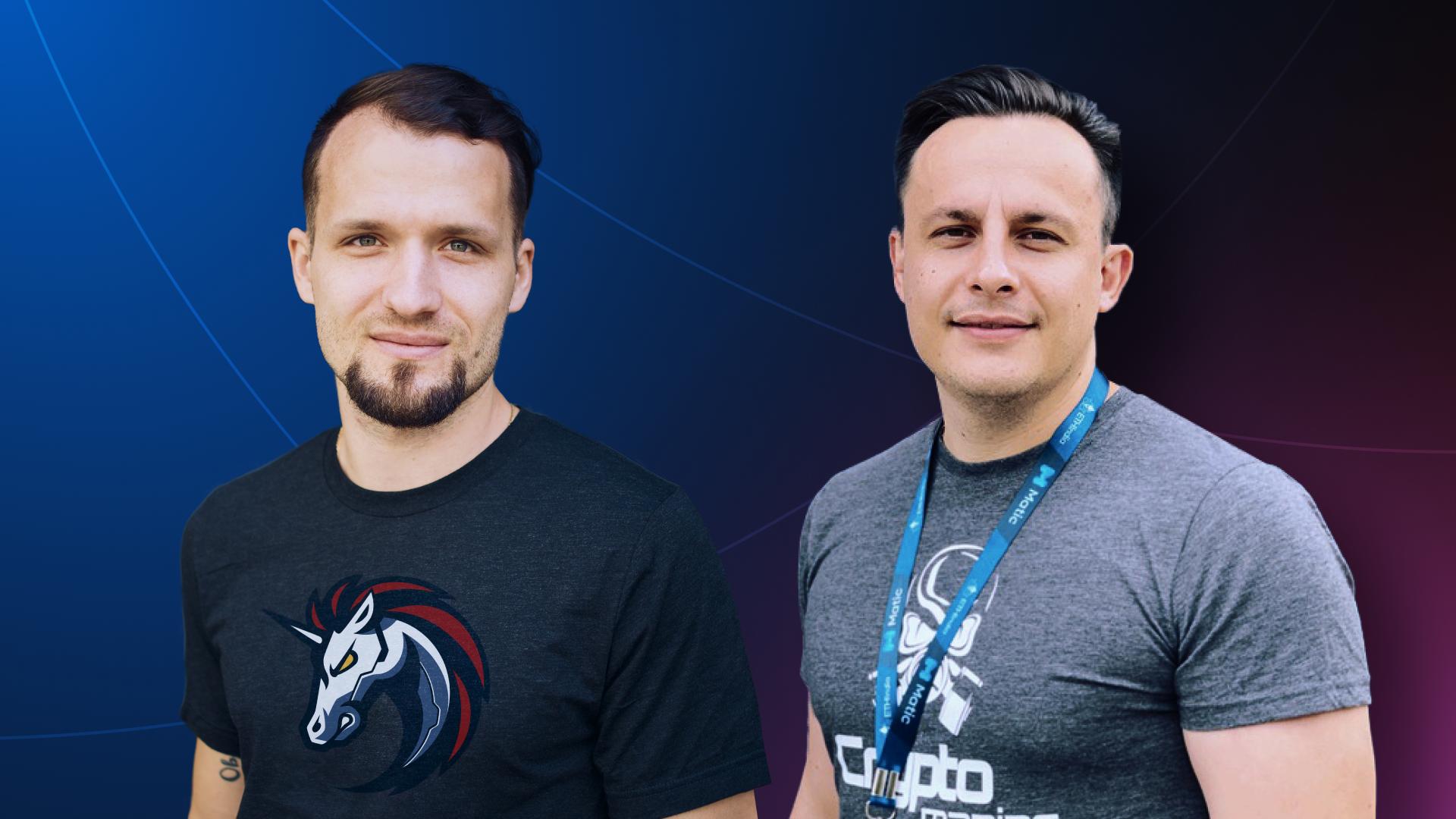
The promise of DeFi, with its vision of democratized finance, is facing a critical challenge: a significant amount of liquidity, estimated to be upwards of $12 billion, remains idle in major pools. This capital fails to generate returns for users who have staked their crypto. This “DeFi liquidity crisis,” as 1inch cofounder Segej Kunz describes it, raises concerns about the efficiency and accessibility of decentralized exchanges.
A recent report presented at Devconnect Buenos Aires indicated that between 83% and 95% of the capital locked in top liquidity pools across platforms like Uniswap and Curve is essentially dormant for most of the year. This situation is analogous to a busy marketplace with mostly empty stalls, highlighting the underutilization of capital in DeFi.
The data illustrates the magnitude of the issue. For instance, on Uniswap v2, only a small fraction, approximately 0.5%, of the total liquidity is within active trading price ranges. This leaves an estimated $1.8 billion inactive, unable to generate fees or contribute to the overall health of the ecosystem.
Aqua protocol
The central idea behind the Aqua protocol is to allow users to retain control of their assets within their wallets while simultaneously creating virtual trading positions. This approach has the potential to unlock substantial amounts of currently idle liquidity and direct it towards productive applications within the DeFi ecosystem.
Simplifying Development
Furthermore, 1inch asserts that Aqua simplifies development, enabling existing DEXs to be implemented with minimal code modifications. The objective is to provide “a foundation to build on top,” allowing developers to create more efficient and user-friendly DeFi applications.
The DeFi liquidity crisis highlights the challenges inherent in establishing a genuinely decentralized and efficient financial system. While protocols like Aqua present promising solutions, the long-term success of DeFi depends on addressing these fundamental issues. A more accessible and profitable environment is needed for all participants.