For years, iPhone users have enjoyed the ability to lock or hide apps, and now Android is catching up, leveling the playing field in the ongoing battle for mobile security supremacy.
Imagine the scenario: you’re at a restaurant, your child wants to play a game on your phone, but you’re dreading the potential for accidental in-app purchases or access to sensitive work emails. The solution? Previously, you’d have to rely on often clunky and sometimes dubious third-party app lockers. Now, Google is baking the functionality directly into the operating system.
This means a smoother, more integrated experience that’s less likely to be bypassed or cause performance issues. The days of relying on questionable apps from the Play Store to protect your data may finally be coming to an end.
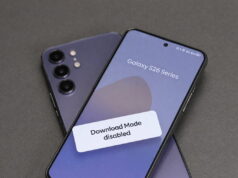
While details are still emerging about the exact rollout and availability, it appears that Pixel and Samsung devices are among the first in line to receive this much-anticipated feature. This is hardly surprising, given Google’s close relationship with both manufacturers and their commitment to pushing the boundaries of Android innovation.
Expect to see the feature integrated seamlessly into the device’s security settings, allowing users to individually lock apps using a PIN, password, or biometric authentication. This granular control is key to ensuring that only authorized users can access sensitive information.
The implications of this move are far-reaching. Beyond the immediate convenience of protecting apps from children or nosy friends, this feature addresses a growing concern about data privacy and security in an increasingly interconnected world.
Consider these benefits:
- Enhanced protection for financial apps.
- Secure access to sensitive work documents.
- Peace of mind when lending your phone to others.
- Reduced reliance on third-party apps with questionable privacy practices.
Apple has now brought the same to iPhone: This shows the industry trend of prioritizing user privacy and security.
While the initial rollout may be limited to Pixel and Samsung devices, it’s highly likely that this feature will eventually make its way to other Android smartphones and tablets. As users become increasingly aware of the importance of data privacy, expect to see Google and other manufacturers continue to prioritize security features in future Android releases.
The move signifies a broader trend in mobile technology: a shift towards empowering users with greater control over their data and a recognition that privacy is no longer a luxury, but a necessity.