Intel, is making a definitive push into the booming handheld gaming market, a move that could shake up the portable device landscape. Gamers, get ready for a new contender in your pockets!
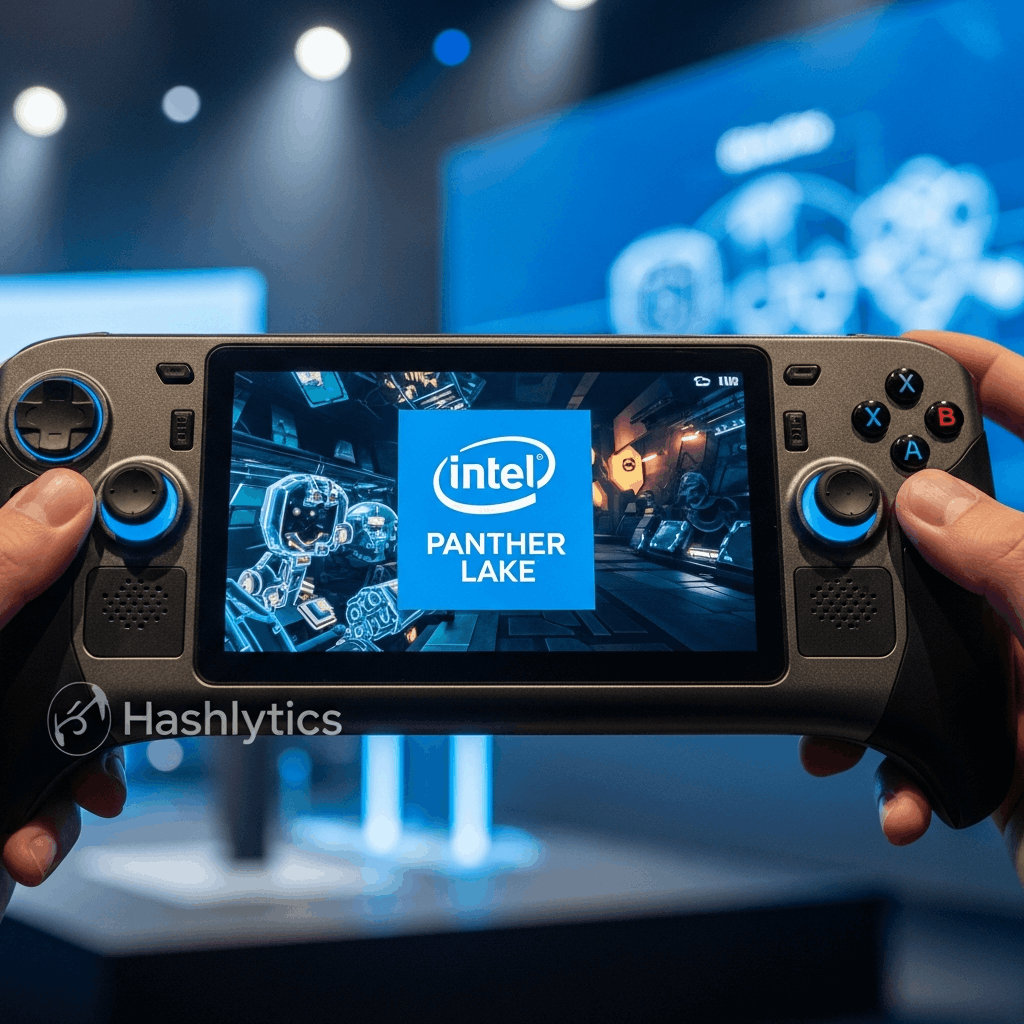
What changed most: The biggest shift is Intel’s commitment to a dedicated handheld gaming platform, centered around its Panther Lake architecture and the new Core Ultra Series 3 processors, specifically optimized for on-the-go performance with a powerful integrated GPU.
- Platforms: Handheld Gaming Devices, PC
- Release: Handheld variants slated for
- Price: TBA
- Developer: Intel
- Genre: Handheld Gaming Platform (not a specific game)
Intel’s strategic entry is powered by its Panther Lake architecture, featuring the new Core Ultra Series 3 processors. At the heart of this platform lies the Arc B390 integrated GPU, which Intel claims delivers up to 77% faster gaming performance compared to its predecessor, the Arc 140V found in Lunar Lake chips. According to a report from PC Gamer, this iGPU boasts 12 Xe-cores, providing a 70% uplift over last year’s best and enabling smooth 1080p gameplay at medium settings in demanding titles.
The dedicated chip is built on Intel’s advanced 18A process node, a 2nm fabrication technology designed for greater efficiency and reduced power draw. This is crucial for extending playtime, with Intel claiming over eight hours of battery life in some scenarios. AI capabilities are also integrated, offering features like frame generation and super-resolution, akin to technologies seen from competitors. Intel’s open-source approach to these AI tools aims to encourage widespread developer optimization.
The announcement at CES 2026 has ignited a lively debate among gamers and industry observers. On platforms like X (formerly Twitter), discussions reflect a mix of excitement for Intel’s potential and caution regarding its ability to challenge established players like AMD in the handheld niche. Intel’s strategy extends beyond raw specs, focusing on an “ecosystem” of partners, including device manufacturers like Acer and MSI, and even hinting at support for operating systems beyond Windows, such as SteamOS, to broaden appeal. Analysts predict Intel could capture 20% of the handheld market within three years. A live blog from Tom’s Hardware captured the keynote’s energy, where executives touted overdelivery on performance metrics, signaling confidence in the tech.
Intel’s Panther Lake platform represents a significant play in the handheld gaming space. Gamers looking for more powerful and efficient portable options should keep a close eye on the devices incorporating these chips. The success of this initiative will ultimately hinge on real-world performance, battery life, and how effectively Intel can foster its developer and hardware ecosystem to deliver compelling gaming experiences. The competition in the handheld market is heating up, and that can only be good news for us players.
Follow us on Bluesky , LinkedIn , and X to Get Instant Updates