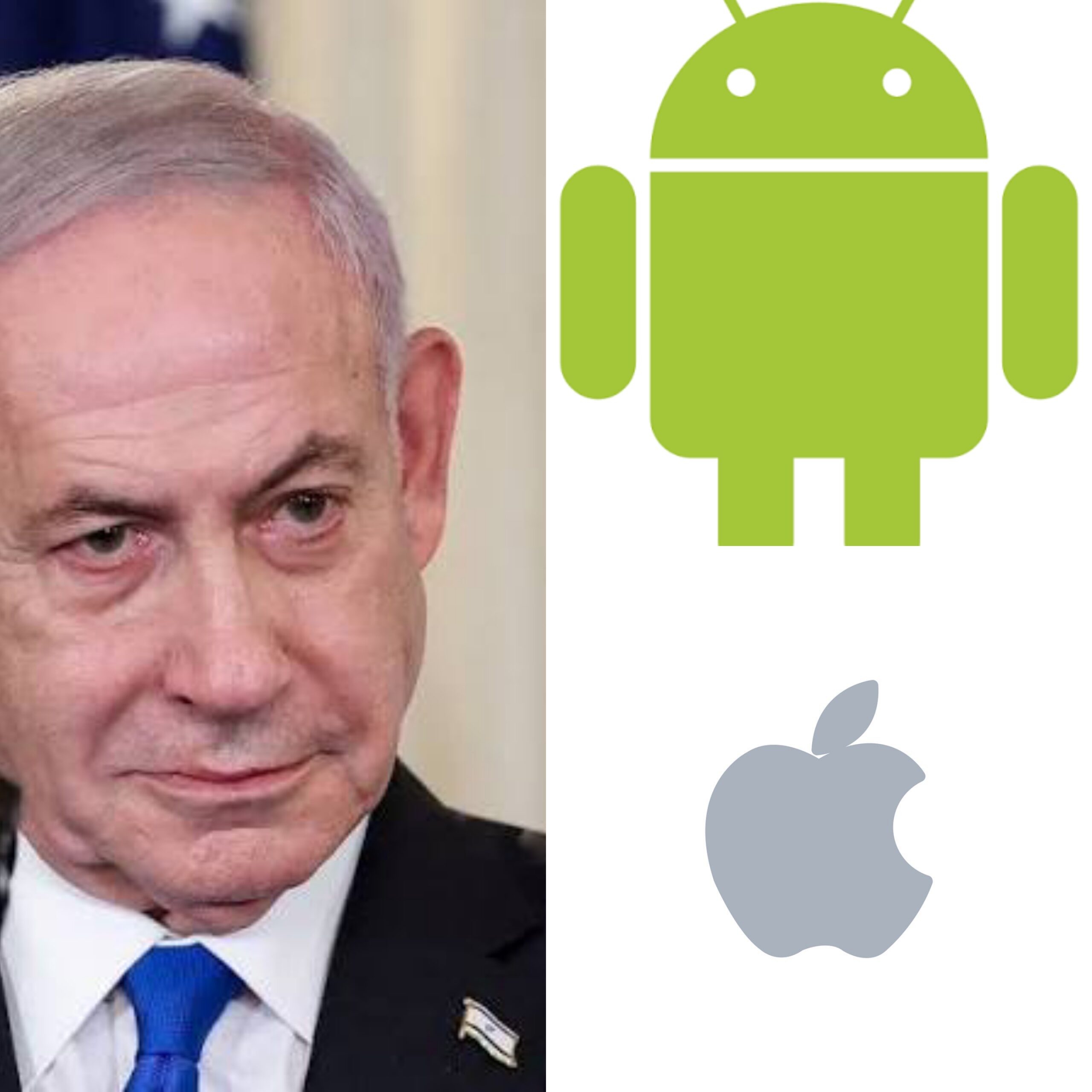
In a stunning escalation of digital-security controls, the Israel Defense Forces (IDF) has officially banned Android phones for senior officers, ordering that only iPhones may be used for official communications. The decision, reported first by Army Radio on November 26, 2025, comes amid an intensifying wave of cyber-espionage attempts linked to Iran-backed groups.
Why the Ban? IDF Cites “Higher Security Risk” on Android
Under the new directive:
- Commanders Lt. Colonel and above must exclusively use iPhones
- Android devices banned for all operational or command-related communication
- Android may still be used privately, but never for military purposes
According to Android Authority, the IDF believes rival forces can install malware on Android devices to access troops’ locations or saved files, with assessments showing Android devices present greater vulnerabilities to cyber threats.
Google Hit With Embarrassing Blow
The timing couldn’t be worse for Google. Just weeks ago, Google celebrated its Pixel phones being added to the U.S. Defence Department’s secure devices list (DoDIN), calling Android “mission-ready.”
Yet Israel, one of the world’s most cyber-attacked nations, has explicitly rejected Android’s security assurances, ruling iPhone’s controlled ecosystem as safer.
As Bez Kabli notes, IDF officials cited “the perceived superior encryption and closed ecosystem of Apple’s iOS as key factors in favouring it over Google’s Android, which they view as more susceptible to exploits.”
The Cyber Threats: Operation HeartBreaker & SpearSpecter
The IDF cites repeated “honeypot attacks” — fake social profiles used to lure soldiers into compromising their devices. Several attacks targeted troop locations and communication patterns.
| Campaign | Method | Target |
|---|---|---|
| Operation HeartBreaker | Fake female profiles on social media | Contacts, photos, real-time location |
| SpearSpecter (IRGC) | WhatsApp + PowerShell backdoor | Senior defense/intelligence officials |
| Hamas WhatsApp Campaign | Suspicious messages near Gaza | Troop movements (since 2019) |
New Iranian Cyber Campaign Raises Alarms
Israel’s National Digital Agency uncovered in September 2025 a new IRGC-linked espionage campaign, dubbed “SpearSpecter.”
The campaign uses:
- WhatsApp lures
- Fake identities targeting families of senior officers
- Persuasion-based social engineering
- A PowerShell backdoor for persistent access
Targets include senior defense, government, and intelligence officials. Security sources say the shift from broad attacks to surgical, high-value espionage prompted Israel’s urgency to tighten device rules.
IDF’s Digital Doctrine Hardens
This latest move follows years of internal drills teaching officers to resist digital traps — including simulated Hezbollah-linked “honeypots.”
According to Israel National News, the policy stems from “lessons learned from the October 7th Massacre and the need for significant improvement of information security guidelines.”
The Evolution of IDF Phone Policy
| Year | Policy | Rank Coverage |
|---|---|---|
| Pre-2020 | Android & iPhone both allowed | Colonel and above |
| 2020-2024 | iPhone preferred, Android phased out | Colonel and above |
| Nov 2025 | Android completely banned | Lt. Colonel and above |
Now, the policy is simple:
iPhone = Allowed.
Android = Absolutely Not.
The smartphone battle has now become part of the battlefield.
Why iPhone Over Android? The Security Calculus
The IDF’s reasoning centers on three key factors:
1. Closed Ecosystem = Harder to Exploit
- iOS apps must pass Apple’s App Store review
- No sideloading (installing apps from unknown sources)
- Centralized security updates pushed simultaneously
2. Uniform Security Management
Android’s fragmentation problem:
- Hundreds of manufacturers (Samsung, Xiaomi, Google, etc.)
- Different update schedules and security patch timelines
- Custom skins (One UI, MIUI) add complexity
iPhone standardization:
- One manufacturer, one OS version strategy
- All devices receive security updates simultaneously
- Simpler MDM (Mobile Device Management) deployment
3. Track Record Under Fire
Israel has faced repeated campaigns specifically targeting Android devices. While iPhone exploits exist (e.g., NSO Group’s Pegasus), the IDF assessment suggests Android’s larger attack surface and fragmentation make it riskier for command-level communications.
The WhatsApp Factor
WhatsApp has been central to multiple IDF security warnings. In 2019, the IDF warned troops that Hamas was using WhatsApp to gather intelligence on troop movements near Gaza, instructing soldiers to flag suspicious contacts immediately.
The problem isn’t WhatsApp itself—it’s how adversaries weaponize it:
- Fake profiles posing as journalists, activists, or romantic interests
- Malicious links that install tracking software
- Social engineering to extract information about schedules, locations, or unit assignments
The IDF’s solution? Ban the vulnerable platform (Android) rather than try to control app usage across fragmented devices.
Implementation Timeline
The directive, expected to be formally issued “in the coming days,” will apply to:
- Hundreds of senior officers from Lieutenant Colonel through General Staff
- Immediate effect for new device issuance
- Transition period for officers currently using Android on IDF lines
The policy expands previous restrictions that only covered Colonels and above, now capturing mid-level commanders who handle sensitive operational information.
Google’s Response (or Lack Thereof)
As of publication, Google has not publicly commented on the IDF’s decision. The company recently enhanced Android’s security with:
- Android 16’s Advanced Protection Mode
- Planned restrictions on sideloading
- Improved encryption standards
However, the IDF’s choice suggests that iPhone’s more tightly controlled ecosystem still provides advantages for high-security environments where standardization and centralized management are priorities.
The Broader Implications
As Bez Kabli concludes: “Whether this iPhone-only approach becomes a template for other militaries remains to be seen. But the signal from the IDF is clear: in 2025, the smartphone in a commander’s pocket is as strategically sensitive as any document, radio or encrypted channel—and it will now be treated that way.”
Questions for Other Militaries
- Will NATO allies follow Israel’s lead?
- Does Android’s openness become a liability in military contexts?
- Can Google convince defense establishments that Android 16+ closes the gap?
For now, one of the world’s most technologically advanced militaries has made its choice — and it’s not Android.
- iOS’s closed ecosystem outweighs Android’s flexibility
- Uniform security management matters more than device choice
- The risks of fragmented Android patching are unacceptable at command level
The smartphone war is real—and for Israel’s senior officers, only one platform made the cut.