-6.29%
-8.87%
-13.20%
-7.57%
-9.81%
-15.86%
Anyone who bought a device in Berlin, Dubai, or Southeast Asia from January 2026 onward has been urged to contact customer support. Ledger says none of the affected units were bought directly through ledger.com, and several passed through authorized retail channels.
A Current Model, a Retail Pullout, and Two Dubai Victims
The most worrying detail in Ledger’s findings is a Nano Gen5 unit turning up in Southeast Asia. A current model suggests the attackers reached present-day manufacturing stock, not just old inventory. Security teams first flagged the tainted CryptoBilis hardware on , and because Ledger’s support window reaches back roughly nine months, analysts believe modified packaging sat on shelves long before anyone noticed.
In Germany, retailer MediaMarktSaturn pulled Ledger products from its physical and online inventories on after a customer reported a hardware implant. In Dubai, two users who bought devices through authorized channels reported combined losses of $604,000, citing drains of about 1,300 SOL and 507,000 USDT.
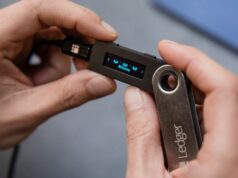
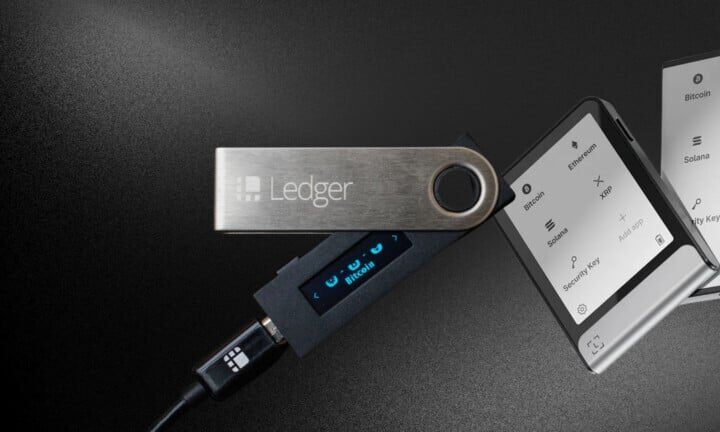
The attack is physical, not a software exploit. According to the findings, perpetrators unbox genuine factory hardware, add a custom component that reads the 24-word recovery phrase during setup, and send the data over LTE through an embedded eSIM. The unit is then repackaged and returned to store shelves.
Losses and a Check That Cannot See the Problem
On-chain analytics firm Bitquery estimates Southeast Asian damages at roughly $102 million, plus $1.68 million taken from 16 wallets tied to the Berlin and Dubai incidents. Singapore police separately reported local victim losses totaling 3.5 million. Ledger maintains there are no flaws in its secure element chip or operating system.
That claim and the scandal can both be true, which is the uncomfortable part. The secure element inside the compromised devices is authentic, so Ledger’s built-in Genuine Check does not flag the tampering. Buyers from authorized local partners have no practical way to spot the internal modification without opening the enclosure, which voids the warranty and risks damaging the device.
Hashlytics Take
Ledger is defending the chip while the attackers are working around it. Genuine Check answers whether the secure element is real, but this campaign targets the moment a recovery phrase is shown during setup, and a real chip inside a doctored device passes that test every time. The channel assurance also looks weaker than buyers assumed: “authorized retailer” did not protect the Dubai victims, and a unit sold in Berlin is now part of the same investigation. Until Ledger offers a check that covers the whole device and not just the chip, anyone holding a unit bought in the affected regions since January has little reason to trust the packaging, and the safest move is to contact support before moving any funds.
Follow Hashlytics on Bluesky, Facebook, LinkedIn , Telegram and X to Get Instant Updates