
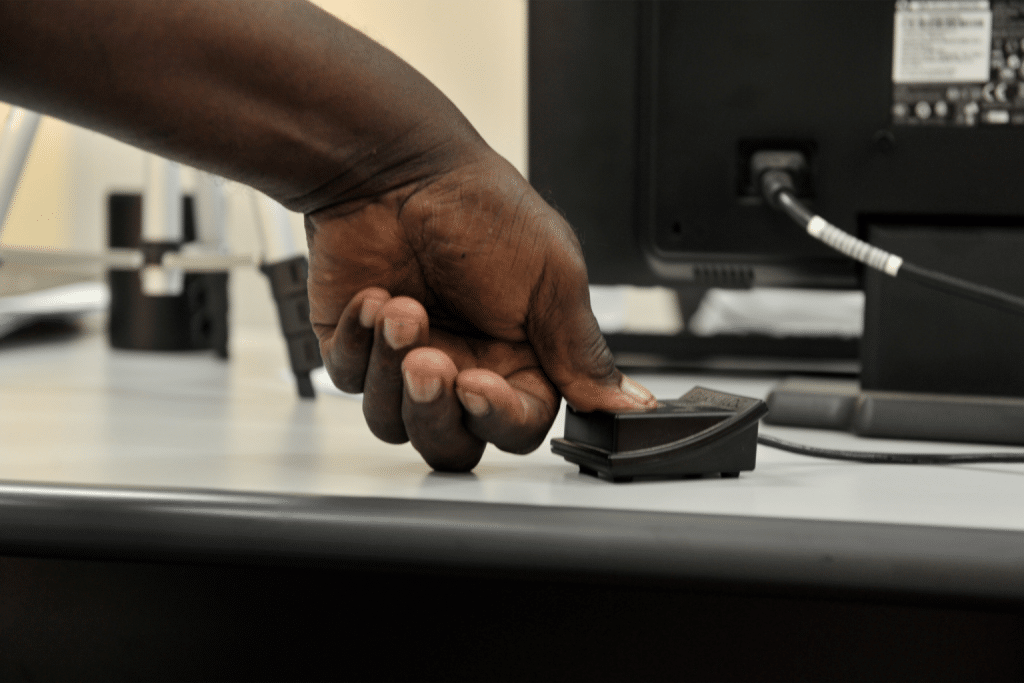
The House Joint Committee on Investment and Concessions, working alongside the Ways, Means, Finance and Budget committee, identified more than 40 alleged deficiencies. The agreement would create a nationwide biometric identity and civil registration system under a build-operate-transfer arrangement with OeSD International, the specialized global arm of the Austrian State Printing Company.
The World Bank Saw a Cheaper Route
Minutes from a June meeting show that World Bank officials believed Liberia could register its population on its existing identification system at a much lower cost, while keeping full government ownership. The legislative committee concluded the deal broke public procurement rules, because the Public Procurement and Concessions Commission had directed the government to run open international competitive bidding. That instruction was ultimately bypassed.
The economics drew just as much criticism. The concession projects about $107 million in revenue over its 10-year life, and the split is lopsided:
- Approximately $69.5 million would go to the company
- Just $37.4 million would go to the Liberian government
Supporters of the deal pushed back. National Investment Commission Chairman Morley Kamara defended the selection by pointing to OeSD’s experience in identity technology and data protection, and said citizen data would stay in Liberia. NIR Executive Director Andrew Peters, speaking in a May interview with Biometric Update, said President Joseph Boakai originally chose the concession model so the firm could finance nationwide enrollment and recover its investment over time.
Local Firms Bring Their Kits to the Capitol
Domestic technology companies PSI Liberia and M Tosh Prints Media Inc. staged a demonstration at the Capitol Building to protest being shut out of the process. They displayed 150 biometric enrollment kits, identity management software, and secure credential production systems to counter claims that local firms lacked the capacity to deliver.
Varney Fahnbulleh of PSI Liberia argued that excluding domestic companies limits technology transfer and weakens local industry. The Liberia Information Technology Consortium also joined calls for more transparency around sole-source concessions.
Hashlytics Take
The revenue split is the number to sit with. On the projected figures, the company would take roughly 65 percent of revenue and the government about 35 percent, for infrastructure that serves a sovereign public purpose. But the skipped open bidding is the deeper problem. Without competing offers, nobody can say whether $69.5 million is a fair price for this work, and the World Bank’s cheaper-route view never got tested against a real alternative.
Kamara’s assurance that data stays in Liberia answers where the records are stored, not who runs the system for a decade. The local firms’ 150 kits do not prove they could deliver a nationwide rollout, but a competitive process is exactly how that question gets answered. Renegotiation only fixes the deal if it starts with the bidding that was bypassed.
Follow Hashlytics on Bluesky, Facebook, LinkedIn , Telegram and X to Get Instant Updates