What Apple Is Actually Accusing OpenAI Of
Apple is suing OpenAI for allegedly poaching employees with the specific intent of extracting trade secrets. Two former Apple employees are at the center of the dispute: Chang Liu and Tang Tan.
Apple’s specific allegations include:
- Chang Liu retained his Apple laptop after departure and accessed shared network folders containing confidential files
- Liu downloaded dozens of confidential documents while employed at OpenAI
- Tang Tan emailed confidential Apple documents to himself
- Tan solicited trade secrets from other Apple employees he recruited to OpenAI
- Both employees exploited Apple’s iCloud policies to maintain access to company files after leaving
OpenAI’s Response: Misdirection Over Substance
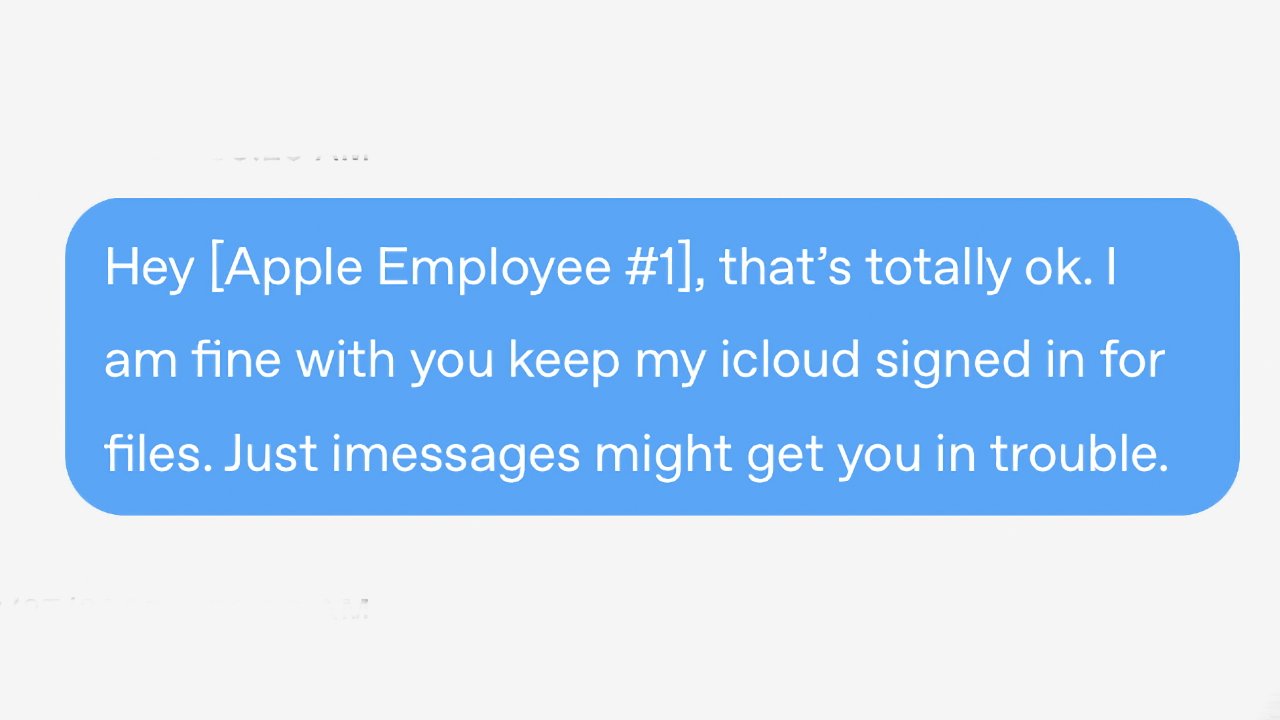
Rather than directly refute these claims, OpenAI’s letter presented redacted Messages exchanges. According to OpenAI, these show Apple employees initiating contact with Liu after his January 22, 2026 departure. The messages allegedly show Liu offering to keep his iCloud connected for file access and even asking how to sign off iMessage to prevent “new company stuff” from appearing.
An unidentified Apple employee then requested confidential information from Liu. The message read: “You are the best, even if you don’t work here anymore.” OpenAI uses this exchange to argue that Apple initiated the contact, not OpenAI.
However, OpenAI’s defense relies heavily on misdirection. The letter points to misaddressed emails from Apple’s lawyers and even suggests a racist undertone, claiming Apple “confused two Asian last names.” These arguments, while attention-grabbing, don’t address the substance of Apple’s claims.
What OpenAI Actually Failed to Address
The open letter conspicuously omits responses to several key allegations:
- No explanation for why Liu retained his Apple laptop after departure
- No response to claims Liu accessed shared network folders after leaving
- No counter-evidence regarding the dozens of confidential files Liu allegedly downloaded
- No direct refutation of Tang Tan’s alleged document forwarding to himself
- No explanation for how Tan solicited trade secrets from recruited Apple employees
Regarding Tan specifically, OpenAI’s letter simply states he “has always been clear with the team that we do not want, and must not use, any confidential information.” This assertion, without supporting evidence, falls short of actually addressing Apple’s concrete allegations.
Apple’s iCloud Vulnerability Creates a Gray Area
One detail OpenAI does touch on is Apple’s own iCloud policies. Recent reports indicate that Apple encourages employees to use personal Apple Accounts for company-funded iCloud storage. This practice can leave managed folders accessible on personal devices even after an employee departs the company.
OpenAI may be banking on this policy becoming a liability for Apple. If former employees could legitimately maintain iCloud access through personal accounts, the line between retained access and deliberate theft becomes blurrier. However, OpenAI hasn’t used this argument to directly counter Apple’s allegations. Instead, it remains in the background while OpenAI deflects with other claims.
The Real Issue: Discovery Will Reveal Everything
OpenAI’s strategy appears designed to win a public relations battle rather than a legal one. By attacking Apple’s lawsuit as aggressive and highlighting administrative errors, OpenAI is framing the dispute as a corporate overreaction. Meanwhile, the actual substance of trade secret theft allegations remains largely unaddressed.
Apple has not yet publicly responded to OpenAI’s letter. The discovery process will ultimately determine whether Liu and Tan deliberately accessed and exfiltrated confidential information or whether the iCloud access was incidental to their departures. Until then, OpenAI’s open letter reads less like a defense and more like a deflection.
Follow Hashlytics on Bluesky, LinkedIn, Telegram and X to Get Instant Updates