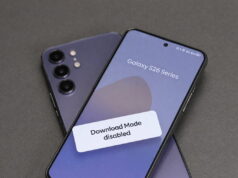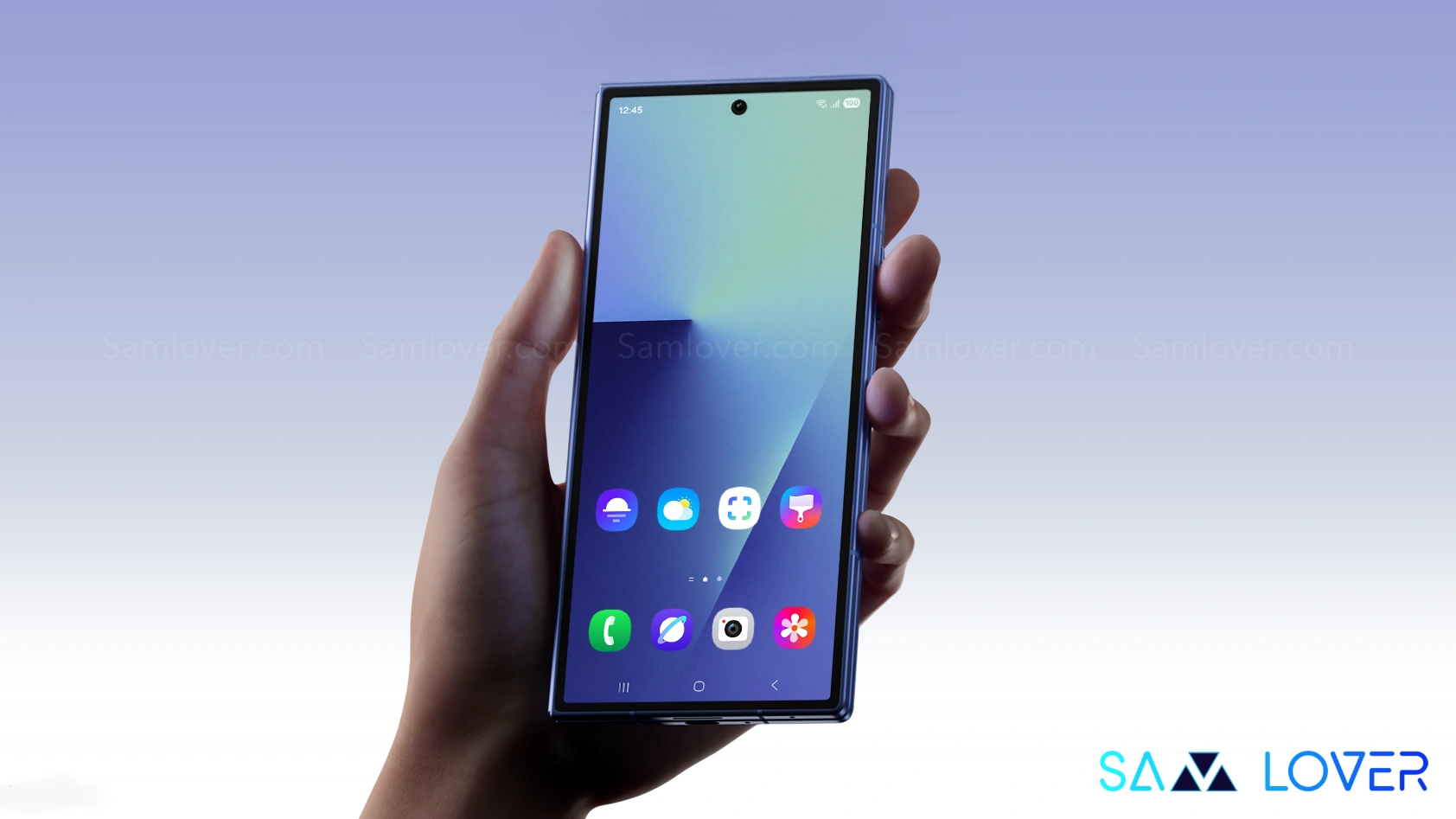
Early reports point to builds such as F966NKSS6AYKE – Samsung Galaxy Z Fold7 (SM-F966N) and equivalent packages for the S25 series. For now, the update is limited to South Korea. Samsung often uses its home market as the last QA checkpoint before a global push, so this tells us the core firmware for these devices is basically locked in. A security patch dated more than a year ahead shows how aggressively Samsung is hardening the base software long before launch.
From an operational perspective, this move matters. IT teams rely on predictable and forward-leaning patch schedules to meet internal security requirements and external regulatory expectations. When Samsung ships a future-dated security package like this, it turns updates into a stability feature rather than a maintenance chore. Enterprises running large fleets of Galaxy devices get a clearer roadmap, a more consistent compliance window, and fewer surprises.
This also reinforces Samsung’s leadership in long-term support. After the Galaxy S24, the company committed to seven years of OS upgrades and seven years of security patches. Google matched that policy with the Pixel lineup, but Samsung doing this kind of pre-dated rollout shows the internal machinery behind its promise. Their software and security teams clearly operate far ahead of the public release schedule.
Security patches sit at the base of modern mobile defense. They fix Common Vulnerabilities and Exposures (CVEs), close off zero-day weaknesses, and harden the system against exploits that target the kernel or other critical layers. Zero-days are dangerous because attackers exploit them before developers even know they exist. A consistently shrinking patch gap — the time between discovery and fix — directly reduces risk for both consumers and enterprise deployments.
Seeing a December 2025 patch now suggests Samsung’s security workflow is deeply integrated into the firmware pipeline. Instead of reacting, they’re embedding protections early so the final product ships with less exposure. That level of preparation typically reflects a mature SDLC and a security team working months (or years) ahead of the market.
This matters even more as flagship devices stretch across six- and seven-year lifespans. Hardware is advancing quickly — custom chipsets, more capable NPUs, better imaging systems — but all that power means nothing if the software foundation ages poorly. Long-term patching is the fuel that keeps that hardware relevant and safe over time.
For buyers, this translates into a stronger return on investment. Premium phones cost more, so long, predictable security support is no longer optional. With future-dated patches already in place, Samsung is proving that devices like the Galaxy S25 won’t just launch strong — they’ll stay secure and reliable far into their lifecycle.