+1.02%
+1.52%
+4.81%
+7.04%
-1.11%
+11.64%
The crypto custody landscape is undergoing a significant shift, with self-custody wallets projected to dominate by 2025. Approximately 59% of crypto users globally are expected to prefer the direct control and responsibility of managing their own keys, marking a departure from reliance on centralized exchanges. This trend reflects increasing user awareness of the risks associated with custodial solutions and a desire for greater control over their assets, aligning with the core principles of decentralization.
Self-Custody Wallets Dominate: 59% of Crypto Users in 2025
Several factors are driving this surge in self-custody adoption. High-profile exchange collapses and security breaches have eroded trust in custodial services, prompting users to seek more secure alternatives. A 2025 report indicated that nearly 71% of crypto users have increased awareness of self-custody options.
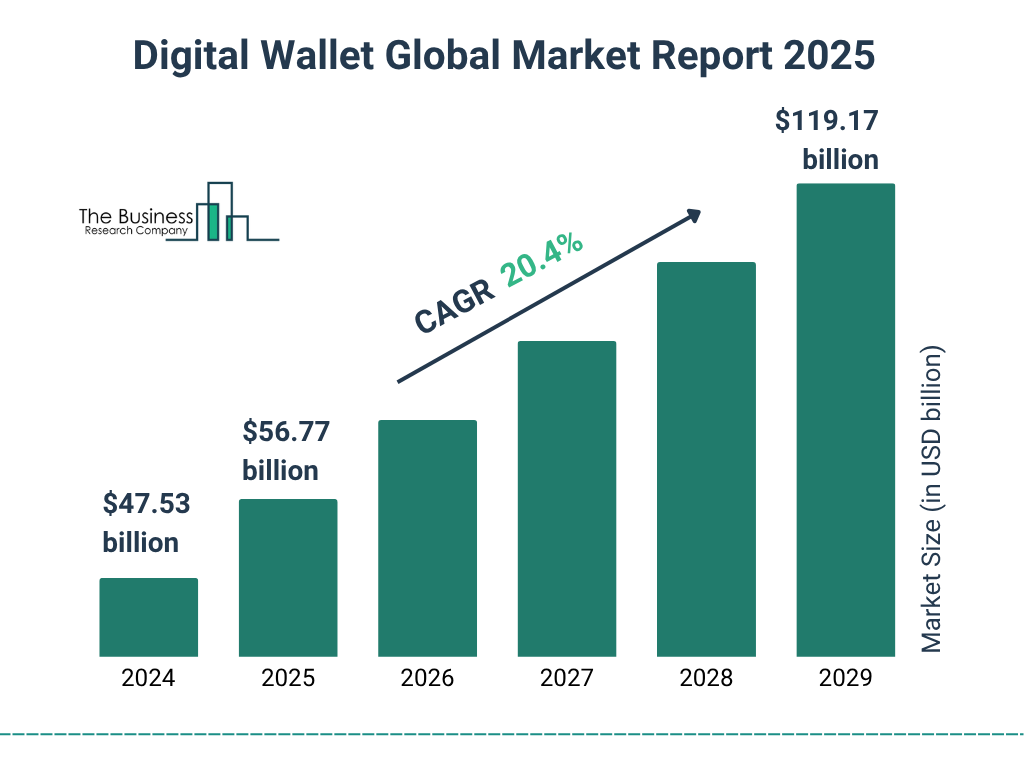
The growing preference for self-custody is reflected in market trends. Hardware wallet sales are projected to reach $0.56 billion in 2025, with a compound annual growth rate (CAGR) of nearly 30%. The global crypto wallet market is valued at $12.59 billion in 2024 and forecast to reach $100.77 billion by 2033 at a CAGR of 26.3%.
Demographics also play a crucial role. Millennials (ages 25–44) constitute approximately 40% of crypto users, followed by Gen Z (ages 18–24) at around 20%. These digitally native generations are more comfortable with managing their own private keys and actively seek self-custody solutions. Mobile-first wallets are also gaining traction, exhibiting 2.3 times higher user retention than browser-extension wallets in 2025, indicating a shift in access preferences.
While self-custody offers enhanced control, it also presents significant security challenges. Users bear sole responsibility for safeguarding their assets, and the consequences of key loss or theft can be severe. In the first six months of 2025, $3.1 billion in crypto was lost due to weak wallet security, making it the worst year on record for such losses.
Innovations are emerging to mitigate these risks. Wallets with multi-factor authentication (MFA) have a 62% lower incidence of compromise. Wallets offering hardware key storage and air-gap signing had incident rates under 5%, compared to over 15% for software-only models.
Despite the rise of self-custody, custodial solutions still hold a substantial share of the market, particularly among newer users who prioritize convenience. As of 2025, custodial models account for approximately 41% of hot wallets, while non-custodial wallets account for about 59%. Newer users often prefer custodial wallets, while power users and DeFi participants tend to favor self-custody.
The popularity of various wallet providers offers insights into user preferences. Trust Wallet led with a 35.09% share of downloads in March 2025, followed by MetaMask and Phantom. Coinbase Wallet accounted for 9.55%, reflecting strong adoption among U.S. retail users. Trust Wallet’s dominance suggests a preference for mobile-first, multi-chain wallets, while MetaMask’s popularity highlights the importance of DeFi integration.
As self-custody gains mainstream adoption, regulators are paying close attention. Concerns about illicit activity and the lack of traditional consumer protections are prompting increased scrutiny. In 2025, global regulators issued over 21 new advisories on wallet fraud and self-custody risks. The Financial Action Task Force (FATF) and Europol include non-custodial wallets in over 75% of their updated regulatory frameworks. While regulations primarily target centralized exchanges, the possibility of increased scrutiny for self-custody wallets remains a concern for some users.
The growth of self-custody wallets underscores the enduring appeal of decentralization. As users become more informed and security solutions improve, the trend toward self-sovereignty is likely to continue. However, addressing the challenges of key management, security, and regulatory uncertainty is crucial to making self-custody a viable option for the masses. Future wallets will need to be not only secure but also intuitive, user-friendly, and seamlessly integrated with the broader crypto ecosystem to unlock the full potential of a decentralized and self-sovereign future.