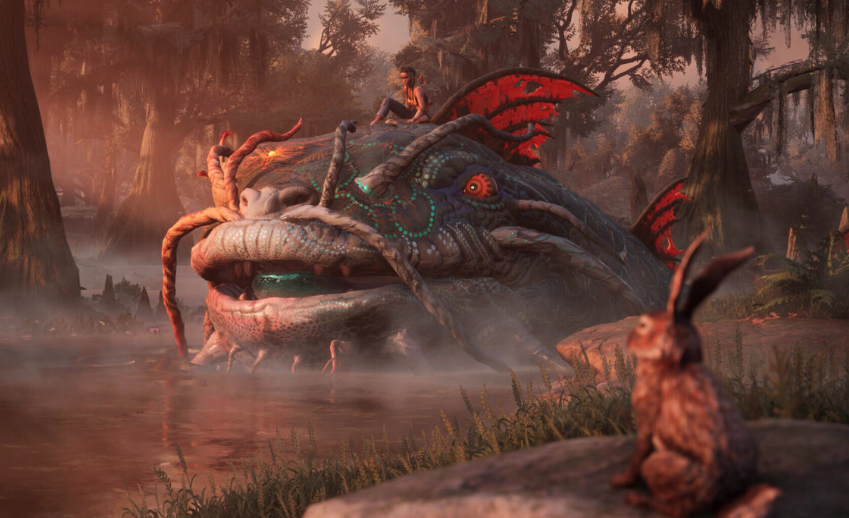
Set against the backdrop of the American Deep South, South of Midnight casts players as Hazel, a young woman caught in a supernatural hurricane. Early reviews from GameSpot highlight the game’s Southern Gothic atmosphere and compelling narrative, praising its unique setting and storytelling approach.
South of Midnight isn’t an isolated case. Several former Xbox exclusives have announced multiplatform releases:
| Game Title | New Platforms | Release Status |
|---|---|---|
| South of Midnight | PS5, Switch 2 | Spring 2026 |
| Microsoft Flight Simulator 2024 | PS5 | Already released |
| Doom: The Dark Ages | PS5 | 2025 |
| The Outer Worlds 2 | PS5 | 2025 |
This pattern suggests a deliberate strategic shift rather than case-by-case decisions.
The Switch 2 Angle
The inclusion of Switch 2—an unreleased console—in South of Midnight‘s multiplatform plans reveals several interesting points:
- Developer access: Studios already have Switch 2 development kits and are actively working with the hardware
- Day-one strategy: Microsoft wants to be present on Nintendo’s next platform from launch
- Market opportunity: The current Switch’s aging hardware creates demand for more powerful gaming experiences
- Audience expansion: Nintendo’s install base represents millions of potential customers
What This Means for Microsoft’s Strategy
From Console to Service
Microsoft appears to be redefining what “Xbox” means. Rather than a hardware platform you buy, Xbox is becoming a service you access—regardless of where you play. This transformation has several implications:
| Traditional Model | New Model |
|---|---|
| Exclusives drive hardware sales | Software revenue across all platforms |
| Console is the gateway | Game Pass is the gateway |
| Walled garden approach | Platform-agnostic service |
| Hardware profit margins | Subscription and software sales |
Potential Motivations
- Revenue maximization: Reaching PS5’s large install base generates more sales
- Game Pass expansion: Making games available everywhere could drive subscription growth
- Development cost recovery: Modern AAA games are expensive, multiplatform releases improve ROI
- Market position: Xbox console sales trail PlayStation; software sales don’t have that limitation
Impact on Console Exclusivity
This shift raises fundamental questions about the future of platform exclusives:
| Question | Implication |
|---|---|
| Will any Xbox games remain exclusive? | Possibly only for limited windows, not permanently |
| Why buy an Xbox console? | Game Pass access, convenience, ecosystem integration |
| Will Sony follow suit? | Already releasing some titles on PC; full multiplatform unlikely near-term |
| What about Nintendo? | Likely to maintain exclusivity given their unique hardware and IP strength |
Community Response
The reaction from the gaming community has been mixed:
Xbox Loyalist Concerns
- Loss of exclusive content that justified console purchase
- Feeling that platform loyalty isn’t being rewarded
- Questions about Xbox hardware’s future relevance
Broader Gaming Community Views
- More players get access to quality games
- Reduced need to own multiple consoles
- Potential for healthier competition based on services rather than locked content
What’s Next
If this strategy continues, expect to see:
- Shorter exclusivity windows: New releases may come to other platforms within 6-12 months
- Day-one multiplatform: Some titles launching simultaneously across all platforms
- Game Pass everywhere: Microsoft pushing its subscription service to competing platforms
- Hardware repositioning: Xbox consoles marketed as premium Game Pass devices rather than exclusive content gatekeepers
Bottom Line
Microsoft is fundamentally reshaping what it means to be an “Xbox gamer.” The future appears to be less about where you play and more about how you access games, with Game Pass as the central hub regardless of hardware.
This strategy makes business sense given Xbox’s market position. Rather than fighting a losing battle for console market share against PlayStation, Microsoft is pivoting to become the largest game publisher across all platforms. By making titles like South of Midnight available on PS5 and Switch 2, they’re prioritizing software revenue and Game Pass growth over hardware exclusivity.
Whether this gamble pays off depends on several factors: Can Microsoft grow Game Pass subscriptions without exclusive content as the draw? Will Xbox hardware sales decline without compelling exclusives? And most importantly, will Sony eventually follow suit, or will they maintain their traditional walled-garden approach?
For gamers, the immediate impact is positive, more people get to play more games. For the industry, it signals an evolution in how platform holders think about their role. The console wars may not be ending, but they’re certainly being fought on different terrain than before.
The South of Midnight announcement is just one data point in a larger trend. Watch for how Microsoft handles its other major exclusives in 2025 and beyond. That will reveal whether this is a complete strategic pivot or a more measured approach to expanding their gaming business beyond traditional console boundaries.